Russia’s top diplomat is now openly warning NATO leaders that one wrong move could turn Europe’s slow-motion crisis into a nuclear disaster.
Story Snapshot
- Russia’s foreign minister says a direct NATO-Russia clash could trigger “catastrophic” nuclear strikes.
- Moscow links these warnings to Europe’s military buildup and NATO expansion toward Russia’s borders.
- NATO insists it is a defensive alliance and rejects claims it is preparing to attack Russia.
- Both sides use nuclear rhetoric to scare the other, while ordinary people feel trapped between elites.
Lavrov’s Nuclear Warning To NATO Leaders
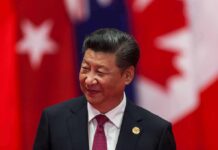
Russian Foreign Minister Sergey Lavrov has warned that a direct military clash between NATO and Russia could quickly spiral into a nuclear exchange with “catastrophic” consequences for the world. He made this claim in an article on Ukraine, Europe and global security, arguing that Europe’s current path toward confrontation and continued military expansion is creating serious risks for global stability. In his words, a NATO-Russia showdown could escalate into nuclear strikes, which would mean millions of lives and the future of whole nations at stake.
Lavrov is not speaking in a vacuum. His warning fits years of Russian statements that link NATO support for Ukraine to a possible nuclear crisis, including earlier comments by President Vladimir Putin and former President Dmitry Medvedev. Putin has already talked about nuclear use if Russia is attacked with large conventional forces, and Russia has moved tactical nuclear weapons into Belarus, closer to NATO territory, as a signal. These actions and words are meant to make Western leaders “stop and think” before pushing deeper into confrontation, but they also raise fears of miscalculation and accident.
How NATO And Western Analysts See The Threat
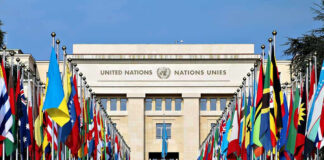
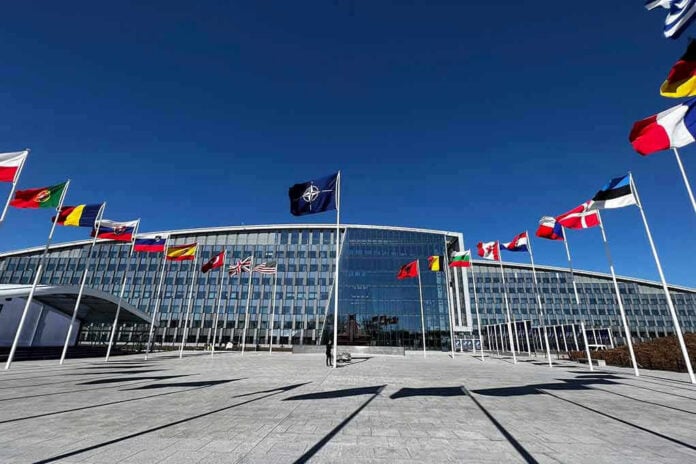
NATO’s official line is that it does not seek confrontation and poses no threat to Russia, describing itself as a defensive alliance that supports Ukraine’s right to self-defense under the United Nations Charter. Western security experts say Russia’s nuclear talk is mostly coercive signaling, meant to scare NATO away from firm support to Ukraine, rather than a clear plan to use nuclear weapons soon. Research on Russia’s nuclear rhetoric shows that Moscow often keeps its threats vague, talking about “catastrophic consequences” without stating exact triggers, which weakens their credibility over time.
Analysts who study crisis escalation note that nuclear threats tend to spike during hot wars and high tension but rarely lead to actual use unless a regime believes its survival is at risk. In this view, Russia would be more likely to consider nuclear use only if it faced outright defeat or collapse in a war with NATO, not just another round of sanctions or drone strikes. That does not mean the danger is fake. The more leaders lean on nuclear rhetoric to gain leverage, the more they risk misreading each other’s red lines and stumbling into a disaster no one truly planned.
Military Buildup, Baltic Friction, And Public Distrust Of Elites
Lavrov’s warning comes as Europe boosts its military capabilities and debates “strategic autonomy,” meaning more European power independent of the United States. Russian officials frame this buildup, plus NATO expansion and support for Ukraine, as proof that the West is preparing for a long confrontation and maybe even direct intervention. Western studies of Russia’s posture toward NATO’s eastern flank say Moscow mixes cyberattacks, drone incidents, and open threats to frighten frontline states and test the alliance’s will.
For ordinary people in both Russia and NATO countries, this looks like one more example of distant elites playing nuclear chicken while citizens worry about jobs, prices, and safety. Many Americans already believe the federal government serves powerful insiders instead of the public, and see foreign crises as a way to justify more spending and control. Europeans and Russians have their own versions of this frustration, watching leaders trade threats while basic problems at home go unsolved. When nuclear language becomes normal “background noise,” it can dull public outrage yet still raise real risk if someone finally misjudges the other side.
What This Standoff Means For Americans Across The Spectrum
For conservatives who fear globalist projects, ballooning defense budgets, and foreign entanglements, Lavrov’s warning looks like a clear sign that NATO’s eastward push and endless Ukraine aid could drag America into a showdown that does nothing for the average worker or small business owner. For liberals worried about growing inequality and permanent war footing, the same nuclear talk suggests that security establishments on all sides may be more focused on protecting their own power than on reducing risk and investing in citizens’ needs. Both camps can see how nuclear rhetoric, once reserved for extreme crises, now feels like just another tool in elite messaging.
The facts show that Russia is openly tying NATO actions to possible nuclear escalation, while NATO insists it is defensive and blames Moscow’s aggression for the crisis. Expert studies, though, point to a more troubling reality: nuclear threats are now routine parts of political strategy, used to shape public fear and foreign policy without clear limits. That should worry anyone who believes government exists to secure life, liberty, and the chance to build a better future. When leaders treat nuclear risk as a talking point, citizens on both the right and the left have good reason to ask who is really being protected.
Sources:
zerohedge.com, icds.ee, youtube.com, congress.gov, facebook.com, sceeus.se, cidob.org, cgsr.llnl.gov
© newsworthy.news 2026. All rights reserved.