Hundreds of United passengers say they were locked in “airplane purgatory” for seven hours in Newark while storms raged outside and regulators stayed quiet, capturing how weather and weak oversight now trap ordinary people between the sky and a broken system.
Story Snapshot
- United Flight 661 sat on the Newark tarmac about seven hours during severe storms and ground stops.
- Federal rules clearly limit tarmac delays, yet the flight was canceled only after passengers spent the night stuck on board.
- Past administrations hit airlines with record fines, but current Transportation Secretary Sean Duffy has issued none for long tarmac delays.
- Climate change is driving more extreme weather delays, while airlines and regulators struggle to protect passengers caught in the middle.
What Actually Happened to United Flight 661
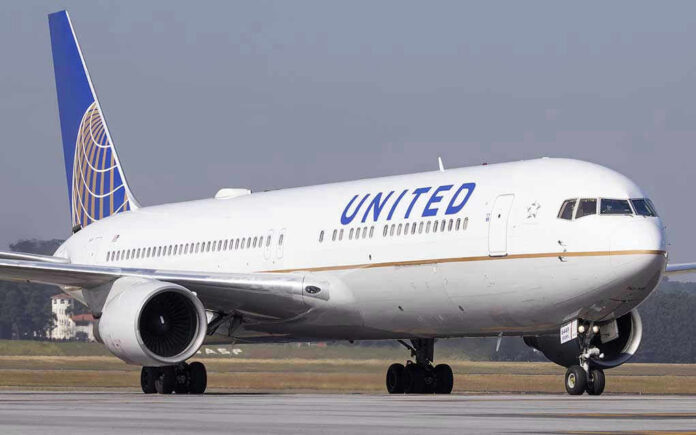
United Flight 661 from Newark to Chicago boarded in the early evening with only a short delay, and cabin doors closed around 5:55 p.m. Severe thunderstorms moved over the New York and New Jersey region, and air traffic control ordered ground stops that froze departures at Newark Liberty International Airport. Passengers on Flight 661 say the plane pushed back and then sat parked on a non-active runway for roughly seven hours, never taking off and eventually returning to the gate after midnight. During that time, they report limited food, crowded cabins, and little clear information, turning a routine flight into an overnight ordeal that many now call “airplane purgatory.”
United Airlines has publicly blamed the delay on the severe storm system and resulting air traffic control restrictions. Thunderstorms can shut down ramps for lightning, block safe taxi routes, and create long takeoff lines once the airport restarts operations. A United spokesperson told one outlet that the crew asked to return to the gate once it became clear the flight would not depart soon, but that heavy ground congestion made the process take far longer than expected. That explanation points to weather and traffic, but for passengers who sat for hours without moving, it sounded more like a breakdown of planning and basic care.
The Rules Say Passengers Should Not Be Trapped This Long
Federal tarmac delay rules from the U.S. Department of Transportation say airlines must give passengers a chance to get off a domestic flight before a tarmac delay reaches three hours, except when safety, security, or specific air traffic control orders prevent it. Airlines also must provide water and a snack no later than two hours into the delay and keep toilets working, cabin temperatures reasonable, and medical help available if needed. United’s own posted tarmac delay plan echoes these rules and promises the option to deplane when a delay becomes “excessive,” defined as three hours for domestic flights. Yet Flight 661 reportedly remained on the tarmac for about seven hours, raising hard questions about whether United and federal regulators treated these rules as firm protections or flexible suggestions.
Past cases show that these rules do have teeth when the government chooses to use them. In 2021, the Department of Transportation fined United Airlines $1.9 million for 25 extended tarmac delays, calling it a record penalty at the time. American Airlines was later hit with a $4.1 million fine for similar violations, again described as the largest ever for tarmac delays. Those actions sent a clear message that trapping passengers on planes for hours was unacceptable and could cost airlines real money. According to recent reporting, however, current Transportation Secretary Sean Duffy has issued zero fines for extended tarmac delays since Donald Trump’s second term began, even as high-profile cases like Flight 661 draw national attention. That silence feeds the belief shared by many conservatives and liberals that federal watchdogs now protect corporations more than they protect citizens.
Weather, Climate Change, and a System That Cannot Keep Up
Weather is not just a handy excuse in this story; it is a real and growing force in air travel. Climate analysts report that weather already causes more than 75 percent of air traffic delays in the United States, and they warn that rising seas and stronger storms will ground even more flights in the years ahead. Reporters and scientists have explained how hotter air holds more moisture, which can fuel more thunderstorms, and how wildfire smoke and heat waves also slow or stop flights and force reroutes. Research from Columbia University predicts that warmer temperatures will make air thinner, forcing some fully loaded planes to leave passengers or cargo behind or wait until cooler hours, which means more delays. In this bigger picture, the storm that hit Newark fits a clear pattern: climate change is turning severe weather from an occasional headache into a regular choke point for the entire air travel system.
At the same time, many travelers no longer trust airlines or the government to handle these stresses fairly. Consumer advocates point out that airlines often blame “weather” even when crew shortages, maintenance issues, or scheduling decisions make delays worse. Official audits found that the Tarmac Delay Rule sharply cut long tarmac delays after it took effect, but it also pushed airlines to cancel more flights during the first three years, especially in summer, before cancellation rates settled back down. That history tells a simple story: when rules are enforced, airlines change their behavior. When fines disappear, the message to passengers sitting on the tarmac for seven hours is that their time and dignity come second to keeping the system cheap and convenient for those in charge.
What Flight 661 Reveals About Power and Accountability
For frustrated Americans on both the right and the left, the Newark incident feels less like a one-off mistake and more like proof of a deeper problem. Ordinary people followed the rules, arrived on time, and boarded when told, only to find themselves stuck in cramped seats through the night while storms raged and decision makers argued over procedures. The airline points to severe weather and crowded ramps. Climate experts point to a warming world that guarantees more such storms. Yet federal regulators, who are supposed to be the neutral referee, have chosen not to use the fines and powers they already have to deter these marathon tarmac delays. That mix—strong storms, weak oversight, and corporate systems built to protect schedules and profits—matches what many call the “deep state” or elite class: powerful institutions that talk about safety and rights but rarely pay a price when things go wrong.
United Flight 661’s seven hours in airplane purgatory shows how climate pressures and policy choices now meet in the narrow space between the gate and the runway. Weather may have started the crisis in Newark, but people in charge of planes and laws decided how long families would sit, how much information they would get, and whether anyone would be held responsible afterward. For travelers across the political spectrum, that is the core worry: not just that storms are getting worse, but that the systems meant to protect them from abuse and neglect have grown comfortable, quiet, and distant. Until airlines and the federal government treat passenger time and basic rights as more than words on a website, Americans should indeed “prepare for airplane purgatory”—and keep asking why the people with the most power seem to feel the least pain when the doors stay closed.
Sources:
theatlantic.com, flightaware.com, reddit.com, us.trip.com, virtual-aviation-accidents.fandom.com, flightradar24.com, youtube.com, foxbusiness.com, businessinsider.com, iam141.org, reuters.com, cbsnews.com, facebook.com
© newsworthy.news 2026. All rights reserved.