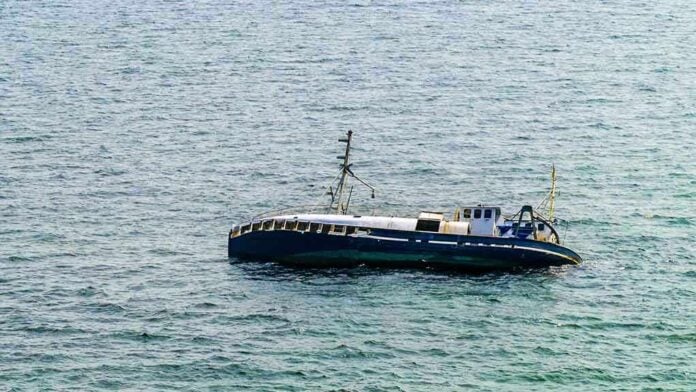
A sudden storm turned a summer boat ride on a Wisconsin lake into a deadly disaster that many say the system should have seen coming.
Story Snapshot
- Three children died and seven others were pulled from Geneva Lake after a boat carrying 10 people capsized in a fast-moving storm.
- The same storm knocked down hundreds of trees and power lines, triggered hundreds of emergency calls, and left widespread power outages across Walworth County.
- Officials had warned about severe storms in the region, but there were no clear, targeted warnings that kept families off the lake.
- The tragedy highlights growing fears on both left and right that ordinary Americans are left exposed while government systems lag behind rising weather risks.
How a Holiday Boat Ride Turned Into a Deadly Storm Rescue
On Friday around midday, a recreational boat carrying ten people on Geneva Lake flipped over when a sudden, powerful storm roared across the water, killing three children and forcing a massive rescue effort. The Geneva Lake Law Enforcement Agency and Walworth County Sheriff’s Office said six adults and one other child were pulled from the water alive after the boat capsized and sank a few hundred yards from shore. Officials confirmed later that the three people who died were all children.
Witnesses on the lake described blue skies turning dark in minutes, walls of rain, and winds strong enough to make “everything up for grabs” as boats struggled to reach safety. Video and photos from the scene show whitecaps, driving rain, and other boats racing toward a mail boat as crew members rushed passengers inside to protect them from the storm. Rescuers launched at least a dozen boats, with fire departments from several Wisconsin communities rushing to the lake to search for people in the water.
Storm Damage Far Beyond the Lake: Trees Down, Power Out, 911 Overwhelmed
The boat accident was part of a much larger weather hit that hammered southern Walworth County, forcing Lake Geneva to declare a state of emergency after the storm tore through just before noon. Officials reported “strong straight line winds” that knocked down hundreds of trees and power lines, blocking roads and causing what the Sheriff’s Office called a “massive power outage” across the area. Walworth County received 769 emergency calls and another 268 nonemergency calls as the storm damaged homes, vehicles, and farms.
In rural Sharon, about 15 miles from Lake Geneva, the top of an 80‑foot silo collapsed and trapped five people who had tried to shelter inside after getting caught in the storm while driving, leaving several with serious injuries. A semi‑truck trailer was blown onto its side near Route 12, a car became entangled in live power lines and trapped its driver for hours, and a falling tree injured at least one person in the city of Lake Geneva. Across the wider region, the same line of storms knocked down trees and poles and cut power to hundreds of thousands of homes and businesses in Wisconsin, Illinois, and Michigan.
Warnings, Weather Patterns, and the Question Everyone Is Asking
Meteorologists had warned on Friday that severe thunderstorms were likely across much of the eastern United States, including northern Illinois and southern Wisconsin, as storms rode the edge of a “heat dome” that had driven searing heat all week. These storm lines can bring 50 to 60 mile per hour winds, flash flooding, and sometimes tornadoes, and are part of a larger “ring of fire” pattern that often puts Midwest families in danger around the Fourth of July. Chicago area forecasts flagged a risk for damaging storms, yet people still filled lakes and rivers as the long weekend began.
For many Americans, this is where frustration sets in. People on both the right and the left see a pattern: the government warns in broad terms, checks a box, and then regular families are left to figure out real risk on their own. Local officials have not said whether any direct, lake‑specific alerts went to boaters on Geneva Lake before the storm, even though forecasters knew strong storms were likely that morning. That gap raises hard questions about how warnings move from national maps to the people actually sitting on a boat with their kids.
Boating Safety, Transparency Gaps, and a System That Feels Distant
Wisconsin’s Department of Natural Resources keeps formal records on boating crashes and fatalities and pushes safety rules like life jacket use and weather awareness, especially around the Fourth of July when boat traffic spikes. Yet even as the state tracks numbers on paper, basic facts about this case are still missing from public view. Officials have not released the names of the victims or details about the boat’s ownership, inspection history, or whether everyone on board wore life jackets. Those gaps limit the public’s ability to judge what failed and how to prevent it from happening again.
Three people died and seven others were rescued Friday after a boat capsized in Geneva Lake as a strong storm passed through southern Wisconsin, an official said.
DETAILS: https://t.co/Ajq0eDbQ6G pic.twitter.com/chG5h1ArtO— Las Vegas Review-Journal (@reviewjournal) July 4, 2026
Many conservatives see stories like this and think about years of spending on climate conferences and bureaucracy, while local warning systems and grids still struggle when a line of storms blows through. Many liberals look at the same tragedy and see working families and children paying the price while big utilities, tourism businesses, and distant decision makers move on. Both sides share a growing sense that the “experts” and agencies meant to protect people are slow, opaque, and more focused on liability than learning.
Shared Concerns in an Era of Heat, Storms, and Fragile Systems
This Geneva Lake disaster also fits into a wider pattern of sudden, high‑impact storms hitting at the very moments Americans try to relax, from Midwest derechos to flash floods that appear with little lead time. As heat waves grow more intense and power demand climbs, the same fragile systems that fail on land when trees hit lines can fail on the water when alerts do not reach people in time. The result is a kind of slow‑motion erosion of trust: families follow the rules, pay taxes, and assume someone is making sure basic safety keeps up with rising risk.
When three children die on a well‑known lake in the middle of the day, after broad warnings but before targeted action, it cuts through political spin. It shows how far the country still has to go to build warning systems, infrastructure, and public communication that match the reality outside our doors. Whether a person blames “woke elites,” “corporate greed,” or a bloated but hollow state, this storm on Geneva Lake is another reminder that nature is moving faster than the institutions meant to protect ordinary Americans.
Sources:
foxnews.com, cbs2iowa.com, instagram.com, facebook.com, fox6now.com, tiktok.com, wpr.org
© newsworthy.news 2026. All rights reserved.