A single penalty kick not only sent Paraguay home from the World Cup, it ignited a fierce debate over fairness, gamesmanship, and who really controls the biggest stage in global sports.
Story Snapshot
- France beat Paraguay 1-0 after a Kylian Mbappé penalty in the 70th minute.
- Video review confirmed contact on Désiré Doué in the box, but many Paraguay fans still call it a “robbery.”
- The match was played in brutal heat and filled with fouls, time-wasting, and attempts to tamper with the penalty spot.
- The controversy fits a long pattern where close referee calls in major tournaments fuel anger at “elites” running the game.
How One Penalty Knocked Paraguay Out
France’s 1-0 win over Paraguay in the World Cup Round of 16 came down to one moment: a penalty by Kylian Mbappé in the 70th minute. Reporters from Reuters, ESPN, and other outlets agree on the basic facts. Substitute Désiré Doué drove into the box, met heavy contact from defender Diego Gómez, and went down. After a video assistant referee review, referee Ilgiz Tantashev pointed to the spot. Mbappé then sent goalkeeper Orlando Gill the wrong way and calmly scored.
On paper, the call was clear. The official FIFA match report says Doué was tripped in the area and that the penalty was correctly awarded after review. Major outlets repeat the same sequence: Doué’s run, Gómez’s challenge, the referee’s delay, then the video check and the final decision. France had dominated the ball and chances all game, so the goal reflected their pressure. But for fans of Paraguay, the numbers and words do not erase the feeling that one whistle ended their World Cup dream.
Paraguay’s Fury and Claims of “Robbery”
Paraguay’s players and many fans insist the penalty should never have been given. The referee first waved play on when Mbappé went down, only changing his mind after the video review. In slow-motion clips shared online, critics argue Mbappé and Doué “looked for” the contact, or exaggerated their falls to win a call. Social media comments under referee-view videos rail that there is “no consistency at all” and say bluntly it was “never a penalty.” For those viewers, technology did not bring truth; it simply backed a bad decision.
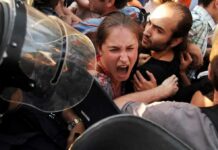
On the field, the anger went beyond words. Reports describe Paraguay players surrounding the referee to delay the kick and shouting that Doué had dived. One defender tried to scuff up the penalty spot before Mbappé stepped in, forcing French teammates to shield the turf. After the match, Gill even threw the ball at Mbappé after a handshake snub, sparking a brief clash. These reactions show how deeply the decision cut. To many Paraguay supporters, the game was not just lost. It was taken.
Dark Arts, Extreme Heat, and a World Cup Pattern
The match itself was rough and ugly. France held the ball for most of the game and created more chances, but Paraguay answered with constant fouls, shirt pulls, and late tackles. One Instagram analysis notes Paraguay committed 18 fouls against France, far above normal levels. Reporters described “disgraceful” gamesmanship and “dark arts” like time-wasting, arguing, and trying to damage the penalty spot. Yet the referee showed few yellow cards, letting much of the physical play go. This only fed the feeling that rule enforcement was uneven and hard to trust.
All of this happened in what Reuters called a “Philadelphia furnace,” with temperatures around 38 degrees Celsius, or about 100 degrees Fahrenheit. Players from both sides struggled in the heat. France’s stars had to keep attacking in brutal conditions, while Paraguay’s defenders chased and kicked just to stay in the game. Some critics now claim fatigue and chaos shaped the foul and the call, not clear judgment. That argument taps into a familiar frustration: people see high-pressure decisions made in extreme settings and wonder if those running the show really have things under control.
Why This Controversy Feels Bigger Than One Match
Disputed penalties in major tournaments are nothing new. Sports historians note that controversial calls in the box have changed the course of World Cup knockout games for decades, from Argentina–West Germany in 1986 to South Korea–Italy in 2002. More recent research shows that most World Cup goals now come late in games, when players are tired and every whistle matters even more. When a single call decides who advances, fans on the losing side almost always reach for words like “scandal,” “rigged,” or “robbed.”
That pattern echoes a larger mood many Americans know well from politics and daily life. People on both the left and right feel big systems are run by distant elites who hide behind rules and technology. Video assistant referees, like government agencies or corporate boards, claim to bring neutral truth. But when their decisions break the hearts of millions, trust does not automatically follow. The Paraguay–France match fits this pattern. The evidence supports the penalty, yet the anger is real, and it flows from a deeper belief that ordinary people keep paying the price for choices made far above their heads.
Sources:
youtube.com, espn.com, bleacherreport.com, bbc.co.uk, aljazeera.com, reddit.com, usatoday.com, africa.espn.com, fifa.com, instagram.com, si.com, nytimes.com
© newsworthy.news 2026. All rights reserved.