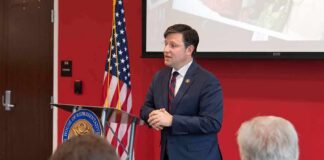

Vice President JD Vance said cheap gas is “goal number one,” putting Iran’s nuclear threat in the second seat — a rare public reset of U.S. priorities.
Story Snapshot
- Vance ranked low oil and gas prices above stopping an Iranian nuclear weapon.
- The message signals a shift to shield consumers as war jitters sway oil markets.
- Analysts warn a nuclear-armed Iran could still spike fuel costs for Americans.
- Past policy tied cheaper oil to nonproliferation deals, not in place of them.
What Vance Said And Why It Matters Now
Vice President JD Vance told reporters the administration’s first goal is to keep oil and gas cheap for Americans, and second to ensure Iran does not get a nuclear weapon. The order is new in how blunt it is. It speaks to pain at the pump, and to voters who feel squeezed. It also suggests the White House sees oil supply and prices as the main lever to steady public support as the Iran conflict drags on.
The framing will land with people on the right and left who think elites ignore daily costs. Many see fuel prices as a kitchen-table tax. When leaders say “goal number one” is cheaper gas, they speak to that anger. But the words also raise questions. Can the United States ease prices without giving Iran room to advance its nuclear work? The order of goals implies tough trade-offs are ahead.
How Energy Prices And Iran Policy Interlock
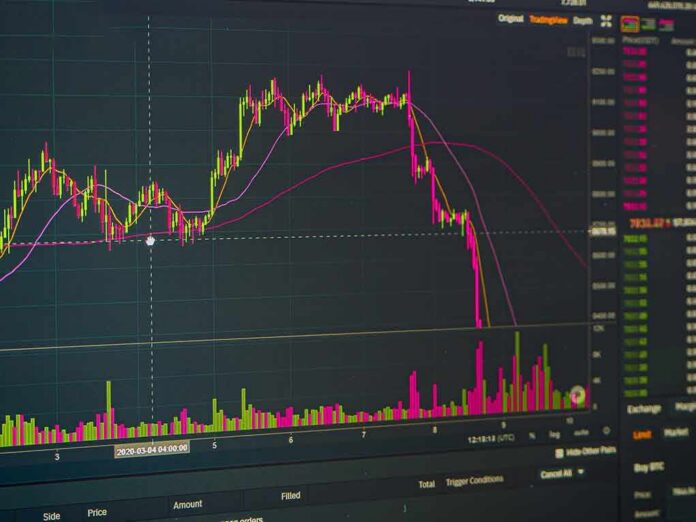
History shows Iran policy and oil prices move together. Sanctions that curb Tehran’s oil sales can also tighten global supply and lift prices, which hits U.S. drivers. When talks look likely, prices often dip. When talks stall, prices often jump. Traders and families both watch headlines. That tight link helps explain why the White House would spell out a price-first message now, during a shaky period for supply and shipping.
Past leaders have tried many tools to keep prices down while pushing Iran. In 2022, President Biden drew from the Strategic Petroleum Reserve to cut pump prices during a supply crunch. That step showed both parties bend energy policy to shield consumers when costs bite. Today’s team faces a harder puzzle, with conflict risks in the Strait of Hormuz and a public that is less patient with higher bills.
The Risks Of Making Cheap Fuel The Top Goal
Security analysts warn that a nuclear-armed Iran could drive energy costs even higher, not lower. One assessment said oil could rise 10% to 25%, and gas could jump about $1.40 per gallon if Tehran got the bomb. If that is right, then stopping a nuclear Iran is not separate from price relief. It is part of price relief. That view urges caution about putting near-term price cuts ahead of long-term security costs.
There is also the deal design model: tie cheaper oil to strict nuclear limits. A senior U.S. official said access to agreement benefits would depend on Iran not pursuing a nuclear weapon and neutralizing its enriched uranium. That approach treats price relief as a reward for verifiable steps. It does not replace nonproliferation with consumer relief. It links them, aiming to blunt both risk and cost in one package.
What This Means For Families And For Trust In Government
American families want clear goals and honest trade-offs. Many believe Washington protects insiders first and lets working people eat the bill. Vance’s line sounds like a response to that distrust. Cheaper gas today feels like a win. But the public also wants a plan that keeps the peace and avoids bigger bills tomorrow. A lasting shift that favors price now, and punts on nuclear risk, could backfire if crises return.
2026, day 227
Good morning from Asia.
‘Iranian Attacks Push Hormuz Shipping Toward Tehran-Controlled Route’ (gCaptain);
‘The Iran War Is Now About Who Blinks First Under Economic Pressure’ (WSJ) – “Trump doubles down on sanctions and a blockade while Tehran bets high oil… pic.twitter.com/rzMkb0rqjc
— Michael Every (@TheMichaelEvery) August 15, 2026
The bottom line is simple. Leaders must show how they will cut prices without feeding the very threats that raise them. They need verifiable steps, strong inspections, and clear triggers for oil relief and penalties. They must explain each cost to the public in plain terms. That is how you fight the view that the “deep state” makes deals for elites while everyone else pays. Trust follows only when results do.
Sources:
feedpress.me, reuters.com, cnbc.com, wsj.com
© newsworthy.news 2026. All rights reserved.