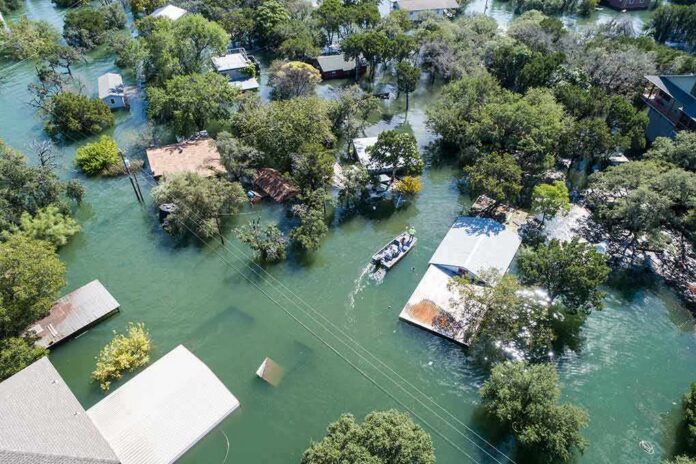
Hawaii’s Big Island absorbed up to 30 to 40 inches of rain as Lala drenched communities and triggered flash flooding, landslides, and power problems.
Story Snapshot
- National Oceanic and Atmospheric Administration reported extreme rain totals up to 30–40 inches on windward Big Island.
- Heavy rain and strong gusts kept flash flooding and mudslide risks high even as Lala weakened.
- Officials urged caution after the storm because flooded areas and downed power lines remained dangerous.
- State alerts and local reports detailed flooded roads, debris, and closures across the island.
NOAA Confirms Extreme Rainfall And Ongoing Hazards
National Oceanic and Atmospheric Administration advisories said Lala produced extreme rainfall over the Big Island, with maximum storm totals of 30 to 40 inches on windward slopes. Forecast discussions warned that heavy rain could still cause flash flooding and mudslides, even as the system weakened to a tropical storm. Advisories also urged people to avoid flooded areas and watch for downed power lines after the center moved away, since those hazards can be deadly in cleanup and recovery.
Forecasters noted that strong wind gusts were likely over the Big Island’s higher terrain through the morning as bands wrapped around the circulation. That pattern often pushes peak winds over ridges and saddles first, while rain bands soak the windward coast. The combination lifts landslide risk in steep valleys and can quickly overwhelm streams and culverts. Officials asked drivers to turn around at high water. Most flood deaths happen in vehicles during fast-rising runoff.
State And Local Officials Activated Flood Response
Hawaiʻi Emergency Management Agency announced that Lala strengthened to a Category 1 hurricane before approach and warned residents to expect land impacts, prompting shelter openings and travel changes. State and local outlets described flooded roads, debris, and landslides blocking key routes, including parts of Mamalahoa Highway and segments of the Hawaii Belt Road. These closures cut off some communities and slowed utility crews trying to reach damaged lines and fallen trees during the worst rain periods.
Television coverage cited power outages and traffic signal failures on multiple islands as the storm bands pushed through. Those issues are common when heavy rain, wind, and saturated soils pull down branches and lines. Airports adjusted schedules and some flights were canceled as the system neared, which helped reduce travel during peak hazards. Officials repeated a simple message: stay off closed roads, keep clear of moving water, and report downed lines to authorities rather than attempting removal.
How Lala’s Track And Intensity Shaped Impacts
National Hurricane Center discussions explained how track and intensity shifts can change which areas get the worst wind and rain. Small changes can put the wettest bands over new ground for hours, which multiplies flood risk in steep tropical terrain. Researchers have shown that forecast uncertainty near land can be stubborn, especially within one to two days of approach. Even improved track accuracy still leaves room for large differences in local impact.
Recovery efforts are underway in Hawaii after Tropical Storm Lala battered the islands, damaging six bridges on the Big Island and leaving some communities isolated.#Hawaii #TropicalStormLala #TropicalStorm #BigIsland #HawaiiNews #StormDamage #SevereWeather #Flooding pic.twitter.com/OKXKl5TOj5
— VIRAL VOLT (@ViralVolT1) August 17, 2026
National Oceanic and Atmospheric Administration noted that rain hazards would linger even after the storm moved on, since saturated soils prime slopes for slides and trees can fall later with little wind. Officials asked residents to use caution returning home and to avoid floodwaters that may hide sinkholes, sharp debris, or sewage. While early reports detailed many closures and outages, formal damage totals and the complete timeline of peak winds and rain usually follow after ground surveys and data checks by county and state teams.
Sources:
thegatewaypundit.com, nhc.noaa.gov, www2.gwu.edu
© newsworthy.news 2026. All rights reserved.