

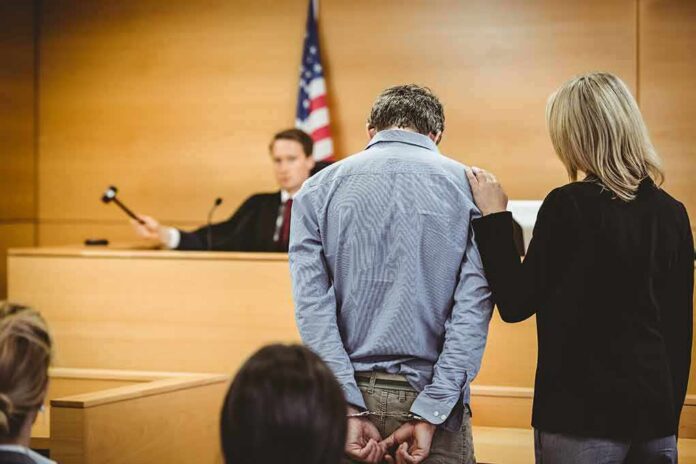
Federal prosecutors say a Malibu actress bankrolled and hid her convicted boyfriend as he slipped from California to Mexico and on to Germany, and she has now pleaded guilty.
Story Highlights
- A Malibu actress pleaded guilty to being an accessory after the fact in federal court
- Prosecutors say she helped a convicted fraudster hide in Mexico and later reach Germany
- News reports say she admitted lying to Federal Bureau of Investigation (FBI) agents and sending about $7,475 in support
- Prosecutors seek prison time, arguing her help let a white-collar fugitive dodge justice
What Prosecutors Say Happened
Federal court records and a Justice Department release state that Lucinda Jane Weist Manera, known as Lucy Weist, pleaded guilty to one felony count of being an accessory after the fact. Prosecutors say she helped her boyfriend, Bernhard Eugen Fritsch, after his wire fraud conviction. They allege she helped him hide from law enforcement, supported him in Mexico, and then helped him flee to Germany to avoid prison in the United States.
NBC Los Angeles reported that Manera admitted lying to FBI agents about her contact with Fritsch after he became a fugitive. The outlet also reported she made payments totaling about $7,475 to support him while he hid in Mexico. These facts go to intent, which is a key part of the accessory-after-the-fact crime. Money and false statements can show a plan to help someone avoid arrest and punishment.
Key Moves And Money Trail
Los Angeles media described a series of payments and travel steps that prosecutors say aided the escape. A report said she authorized a hotel charge of about $534 in Mexico City while Fritsch was on the run, and that she researched ways to move him from Mexico to Germany. These details, if accurate, help explain how an already convicted defendant could cross borders and stay ahead of authorities for months.
The law on accessories after the fact focuses on what the helper knew and why they acted. The United States Code says it is a crime to assist someone who committed a federal offense if the goal is to hinder their arrest, trial, or punishment. The statute does not require that the helper joined the original fraud. It punishes the aid given after the crime, once the helper knows about it and chooses to help anyway.
Defense Notes And Public Concern
Coverage of defense comments says her lawyer argued she traveled to Germany to meet Fritsch’s attorney and understand the case, not to plan a getaway. That claim does not erase the plea, but it adds context on motive and may shape sentencing. Judges often weigh intent, remorse, age, health, and record. Still, prosecutors argue her actions helped a convicted swindler skip consequences and left victims without closure.
This case touches a wider worry that many Americans share: people with money or fame can work the system while regular folks face swift punishment. Here, the core facts rest on a guilty plea and specific acts that supported flight. That makes it more than gossip about a Hollywood romance gone wrong. It is a reminder that helping any fugitive—glamorous or not—undercuts equal justice and makes the public lose faith in fair rules for all.
Why This Story Matters Beyond Hollywood
Most federal criminal cases end with a plea, not a trial, which is also what happened here. Pleas can speed cases and save resources, but they also raise trust questions when the public sees different treatment for different people. When a high-profile helper admits to aiding escape, it highlights a basic rule: justice only works when people do not shield offenders from court orders and sentences, no matter their status or personal ties.
The Next Steps In Court
Prosecutors are asking for prison time, according to local reporting, arguing the conduct was planned and repeated. Sentencing in accessory cases often turns on the harm caused and the link to the underlying crime. Federal guidelines tie the punishment to the main offense level, then step down for an accessory role. The court will decide how much credit or blame to assign after reviewing the record and the plea facts.
Sources:
nbclosangeles.com, nypost.com, latimes.com, newsbreak.com, landllawgroup.com, hr.economictimes.indiatimes.com, lamag.com
© newsworthy.news 2026. All rights reserved.