
Ken Paxton turned James Talarico’s 12-day flu absence into a “proof of life” test, showing how campaign warfare now exploits even ordinary illness.
Story Snapshot
- Talarico said an urgent-care clinic diagnosed him with the flu and he went remote on Sept. 30.
- Paxton’s campaign demanded a “proof of life” video, flight record, or doctor’s note, and ran attack ads.
- Reports placed Talarico off the in-person trail for about 12 days during a key stretch.
- Talarico later returned to public campaigning as his team had forecast.
What Talarico Said And When He Said It
James Talarico told voters on September 30 that urgent care in Dallas diagnosed him with the flu. He said he had a fever and was most contagious, so he joined a business council event by video instead of attending in person. His spokesperson said he had held more than 100 public events and would be back on the trail by the weekend. Major outlets reported the same account at the time, not after the backlash grew.
Reports later noted that his in-person stops paused for roughly 12 days during a critical stage of the race. Coverage highlighted his remote appearance on September 30 and the timing of his absence. The timeline contained small disagreements about his last in-person day in New York, but all accounts tied his pause to a flu diagnosis shared with voters on September 30. The story remained about length and optics, not a new medical claim.
How Paxton Framed The Absence
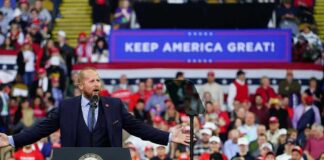
Ken Paxton’s campaign called the gap unexplained and demanded “proof of life.” His team asked for a same-day video, a flight record, or a doctor’s note. It questioned the timing between New York fundraisers and the Dallas urgent-care visit. The campaign also ran a “Where is James Talarico?” ad and promoted missing-person-style flyers, pushing the idea that he hid from Texans for 12 days. Those messages spread online and in national political media.
CNN reported that Paxton led chants about Talarico’s whereabouts while Talarico’s team repeated the flu explanation. That coverage shows how fast skepticism can shape a story, even when a reason is stated early. The push for documents played into a larger debate over transparency. It also ran into medical privacy limits, since releasing personal health records is optional. No evidence in the record proves a different cause for his absence.
Return To The Trail And What It Proves
Nine days after the September 30 disclosure, reporting showed Talarico back on the campaign trail. That return matched his campaign’s stated short timeline. The fact of his return did not settle every question about the exact day-by-day schedule. But it undercut claims that he had vanished or refused to reappear. The episode became less about health facts and more about political framing in the final stretch.
Democrat James Talarico has been off the campaign trail for about a week as he battles the flu — prompting attacks from President Trump and his GOP opponent Ken Paxton. https://t.co/nw9VLOFZEE
— ABC News (@ABC) October 10, 2026
Both sides leaned into themes that many voters now share. Talarico’s team stressed basic health rules and promised a quick return. Paxton’s side demanded receipts and mocked what it cast as secrecy. Voters who feel leaders hide the ball saw a call for proof. Others who distrust campaign attack culture saw political theater. The facts on record show a disclosed flu, a remote appearance, a 12-day pause, and a return, with no verified counter-evidence offered.
Why This Matters Beyond One Race
This clash shows how modern campaigns turn small gaps into character tests. When people believe elites protect themselves and spin stories, even a flu diagnosis can become a litmus test for truth. Demands for proof tap that frustration. But privacy rules limit what any candidate can or should share. That gap between suspicion and documentation rewards aggressive messaging and fast repetition, which can crowd out patience and basic fairness during peak campaign season.
What Voters Can Watch For Next
Watch whether campaigns release consistent schedules and quick updates when plans change. Clear timelines help prevent rumor cycles. Watch whether accusations come with named, sourced facts or only with taunts and memes. Also watch whether media center verifiable details over viral framing. In this case, the record backs a same-day flu disclosure, a short break, and a return. That does not solve every timeline nit, but it does set guardrails for fair judgment going forward.
Sources:
facebook.com, nbcnews.com, thehill.com, washingtonexaminer.com, cnn.com, mediaite.com, yahoo.com, redstate.com
© newsworthy.news 2026. All rights reserved.