

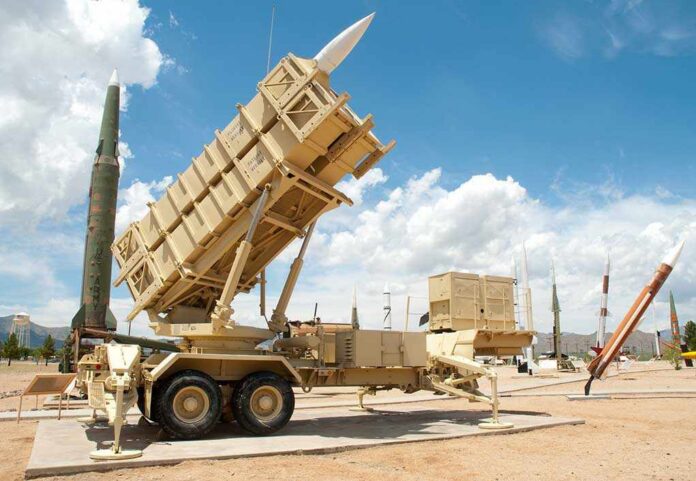
Washington approved a possible sale of 500 Patriot PAC-3 MSE missiles to Ukraine, priced at $2.1 billion and funded by partners, not U.S. taxpayers.
Story Highlights
- State Department cleared a possible Foreign Military Sale for 500 PAC-3 MSE interceptors.
- Estimated cost is $2.1 billion, with funding from allies and partners, not U.S. taxpayers.
- PAC-3 MSE is the top Patriot interceptor and can target ballistic missiles.
- Approval is not a delivery order; timeline and contract details are not public.
What the U.S. Approved and Why It Matters
The U.S. State Department said a possible Foreign Military Sale can move forward for 500 Patriot Advanced Capability-3 Missile Segment Enhancement interceptors and related gear for Ukraine. The proposal aims to strengthen Ukraine’s air and missile defense against Russian strikes and sustain its current Patriot batteries. The government set the estimated price at $2.1 billion. State said partners and allies will cover the full cost, signaling a coalition approach to funding.
The missiles at issue are the most advanced Patriot interceptors now in service. Reporters describe the PAC-3 Missile Segment Enhancement as one of the few systems that can hit incoming ballistic missiles, which Russia has used to pressure Ukraine’s cities and power grid. Supplying interceptors, not just launchers, is crucial. Patriot batteries are only as useful as their stock of ready missiles, so this package targets the sustainment gap, not just new hardware.
Who Pays, Who Decides, and How the Process Works
State said the deal would be paid for entirely by partners and allies, with reported contributions tied to Canada, Germany, Norway, and European Union-backed funds. This structure addresses a common concern at home about open-ended costs. Under the Arms Export Control Act, a congressional review follows a notification like this. Congress can block a proposed sale within the review window, though most clear once notified. The notice authorizes a possible sale; it is not the final contract.
In plain terms, this step opens the door, but Ukraine and the United States still must sign a Letter of Offer and Acceptance, and the contractor must receive orders. Only then do production and delivery move ahead. That process protects oversight but also adds time. For readers worried about waste or secrecy, the law requires transparency checkpoints and gives Congress ways to respond before the government completes a major sale.
Timing Questions and Global Supply Strains
Today’s approval does not include a delivery schedule, and reports do not list a production timeline. That matters because these interceptors are scarce worldwide. Many countries, including the United States, also need them to refill stocks and defend their own regions. Analysts describe PAC-3 Missile Segment Enhancement output as limited, with many users competing for supply. Even with funding secured, production lines and existing orders can slow how fast missiles reach Ukraine.
This mismatch between urgent demand and slow supply feeds public frustration on both sides. Voters see big price tags and bold claims, then wait months or years for results. People who want strict borders, lower prices, and less foreign entanglement question long timelines and complex deals. People who fear growing global conflict want faster action and clearer plans. The government often talks up approvals, but the hard work is contracts, production, and delivery that citizens rarely see.
What This Means for U.S. Policy and the War
For Ukraine, 500 advanced interceptors would help protect cities, power, and troops from missile and drone attacks if and when they arrive. For Washington, pushing allies to pay reduces pressure on U.S. taxpayers while keeping support intact. For industry, the move signals steady demand for missile defense. For Congress, the review stage preserves leverage over terms and timing, which fits the system set by the Arms Export Control Act.
US approves a proposed $2.1 billion sale of Patriot interceptors to Ukraine after alleged holduphttps://t.co/jyeSF3JUuF
— InformedNotInflamed (@JohnDalyNews) October 31, 2026
One final caveat: an approval is not a shipment. No public schedule shows when the first missile will arrive, or how the 500 will be phased. That gap can breed doubt far beyond this case. Americans across the spectrum worry that government headlines promise more than they deliver. Clear updates on contracts, production rates, and delivery windows would help restore trust. Straight answers, not spin, are the fastest way to show this decision has real impact.
Sources:
insidedefense.com, state.gov, kyivindependent.com, breakingdefense.com, us.cnn.com, united24media.com, nampa.org, payments.jpost.com, csis.org
© newsworthy.news 2026. All rights reserved.