At Gorillaz’s U.S. tour opener, Damon Albarn held a Palestinian flag aloft and told the crowd to “never be neutral,” turning a concert moment into a political flashpoint.
Story Snapshot
- Damon Albarn raised a Palestinian flag at Gorillaz’s Orlando show and urged fans to take a side.
- The gesture arrived after headlines about Macklemore’s removal from Ed Sheeran’s tour over a pro-Palestine speech.
- Coverage split: some praised the stance; others called it hijacking a show for politics.
- The episode fits a wider pattern where celebrity protests drive backlash and business risk.
What Happened On Stage In Orlando
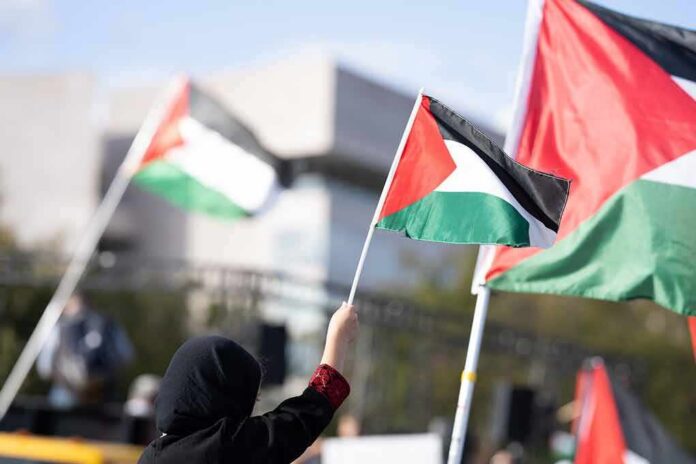
On September 17 in Orlando, Gorillaz launched their U.S. tour with a sold-out show. During the set, frontman Damon Albarn took a Palestinian flag from an audience member and held it above his head. Albarn told fans, “Stand your position. Don’t ever be neutral,” linking the symbol to a clear call for action. Photos and local reports described the moment as a deliberate highlight in the show rather than a brief aside.
The flag display and the anti-neutrality line quickly spread across music sites and social feeds. Several outlets framed the act as part of a larger music-industry dispute tied to Macklemore’s removal from Ed Sheeran’s tour after a pro-Palestine speech. That framing connected Albarn’s onstage statement to a running conflict about what artists can or should say during paid events.
Why It Touched A Nerve Beyond Music
Fans and commentators split over the act’s place inside a ticketed show. Supporters saw a simple stand with a people under fire. Critics argued that a concert is not the place for geopolitics and said some attendees felt unwelcome or targeted. An opinion piece went further, calling it unfair to “hijack a concert and its audience,” which echoed long-running public fatigue with moral lectures from the stage.
This flashpoint follows a familiar script. Research on protest coverage shows that media often focuses on disruption and conflict rather than the message itself. That pattern can shift attention from why the protest happened to whether the protester crossed a line. As with past celebrity protests, the spotlight moves fast from substance to fallout, which can harden divides in the audience.
The Larger Risk Environment For Artists And Venues
Music events now sit at a tight crossroad of speech, brand safety, and public order. Even a short symbolic act can draw real consequences. In July, Singapore punished Massive Attack after a brief Palestinian-flag display, citing strict rules on foreign emblems. The case showed how a two-second gesture can close doors in entire markets, raising the stakes for global tours and their crews.
In the United States, there is no law against a performer raising a foreign flag on stage. But there are business pressures. Promoters weigh insurance, security, and sponsor reactions. Artists weigh their conscience against fans who came for music, not politics. Many Americans across left and right already believe elites set the rules while regular people pay the costs. Moments like this can feel like another reminder that power often reacts fastest to speech that challenges it.
What To Watch Next
Watch whether promoters adjust contracts to address political speech on stage. Look for changes in venue policies, sponsor language, or tour insurance. Track whether other artists join Albarn publicly, or if managers steer clients toward safer ground. Finally, watch the crowd. If ticket sales hold and shows run smoothly, industry pressure may ease. If boycotts grow or security incidents rise, expect tighter controls and fewer open political displays at major concerts.
Sources:
twaslnews1.twaslnews.com, en.royanews.tv, x.com, instagram.com, ground.news, standard.co.uk
© newsworthy.news 2026. All rights reserved.