
A dairy-linked H5N1 infection in Washington state turned deadly, sharpening concern about worker safety even as officials keep public risk low.
Story Snapshot
- Yakima County officials reported a resident died after H5N1 infection tied to infected dairy cattle exposure.
- State data show multiple human infections linked to Washington dairy herds amid expanding cattle outbreaks.
- Health agencies say the general public’s risk remains low, with no sustained human-to-human spread reported.
- Authorities urge strict farm protections and avoidance of raw, unpasteurized milk products.
What Officials Confirmed About The Fatal Case
Yakima Health District said a county resident who had contact with infected dairy cattle was hospitalized with severe illness and died after testing positive for H5N1 avian influenza. Officials did not release the person’s identity or detailed medical history. The district described underlying health conditions and said contact tracing was underway. The death was the first reported in the United States in 2026 tied to the current avian influenza situation, according to news reports citing local and federal agencies.
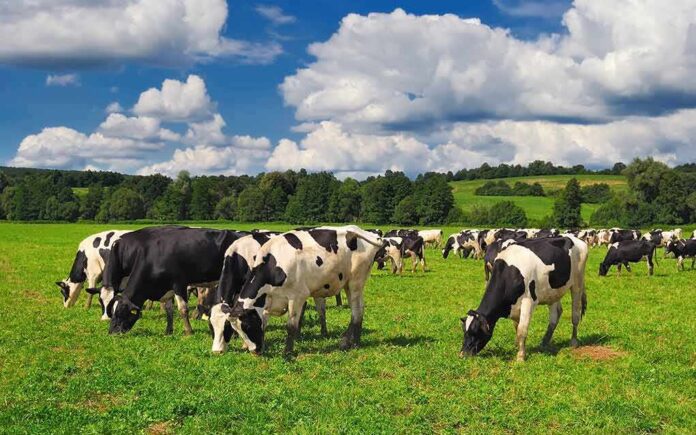
Washington health reporting tied the exposure to a dairy with infected cattle and placed the case within a broader local outbreak. The state first confirmed H5N1 in dairy herds in early October. Since then, Yakima County has logged additional human infections among people exposed to infected cattle, along with dozens of affected herds in the region. Officials emphasized that the patient’s infection aligned with known occupational risks for dairy workers during this outbreak.
Risk To The Public Versus Risk To Workers
Washington authorities and federal partners continue to rate risk to the general public as low. They report no sustained human-to-human transmission in the United States tied to this event. That said, they warn that people with direct, close contact with infected animals face higher risk. The guidance stresses eye, nose, mouth, and skin exposure risks when handling sick cattle or contaminated environments. Agencies also advise against consuming raw, unpasteurized milk or products made from it.
National and international assessments describe a pattern of spillover in high-risk jobs without documented ongoing spread between people. A recent federal brief counted dozens of United States human H5N1 infections in the current period, most linked to dairy cattle or poultry exposure, while keeping the public-risk level low. A joint review by global health and animal-health bodies similarly found no established human-to-human transmission in recent assessments, while urging strong surveillance and biosecurity steps.
Why The Death Matters For Policy And Practice
The Yakima County death underscores a core challenge: America’s food workers often shoulder more danger while the rest of the country expects business as usual. Farm workers cannot work from home. They rely on clear rules, proper protective gear, paid sick leave, and fast testing to stay safe. Health officials are calling for strict biosecurity on farms and consistent safety training. Those steps are basic, not partisan. They protect both workers and the food chain when outbreaks hit livestock.
"A Yakima County, Washington, resident hospitalized with severe avian influenza (H5N1) after exposure to infected dairy cattle died on November 1..
The death is the first from avian influenza reported in the US in 2026..
The Yakima Health District also confirmed a third human…— Hiroshi Yasuda (保田浩志) (@Yash25571056) November 3, 2026
For families, this is also about trust in simple safeguards that match American values of common sense and accountability. Pasteurization makes milk safe. Transparent case updates help people judge risk without panic. Quick support for those exposed keeps illnesses from getting worse. These actions do not grow government power; they set clear expectations so local health teams, farmers, and workers can do their jobs and keep communities stable during a tough season.
What To Watch Next In Washington
State and county health agencies are tracing contacts and monitoring symptoms around the fatal case. Investigators are tracking the number of infected herds, worker exposures, and any new human infections tied to cattle. Officials continue to test animals and people with relevant exposure. If that surveillance stays strong, it can catch changes early and inform guidance. Readers should look for updates on herd counts, worker testing, and any shift in the public risk level posted by the state.
Sources:
kyma.com, cidrap.umn.edu, healio.com, m.dailyadvent.com
© newsworthy.news 2026. All rights reserved.