
On live television, Democrats warned Republicans would “try to cheat,” proving both parties now push election-rigging talk when it suits them.
Story Highlights
- A CNN panel featured a Democrat saying Trump allies will “try to cheat,” echoing rigging claims Democrats condemn.
- Scott Jennings cited CNN transcripts to argue both parties use election-manipulation rhetoric.
- CNN reporting shows Democratic governors accusing President Trump of undermining elections in 2026.
- Scholarly research finds rigging beliefs rise when partisans feel threatened and follow elite cues.
What Sparked The Clash On CNN
On September 24, a guest on CNN’s The Lead said “Donald Trump and the sycophants around him are going to try to cheat,” while also calling United States elections secure. The guest added that Democrats must block “whatever high jinks Donald Trump and those around him are up to.” The transcript records the quotes and set off a debate on-air and online about double standards in “election denial” talk, a space Republicans and Democrats accuse each other of fueling.
Republican analyst Scott Jennings pressed that point in a later CNN segment. He argued Democrats warn about “rigging” when Republicans are in charge, even as they attack Republicans for spreading distrust. Jennings referenced that same CNN transcript to show recent Democratic warnings about cheating. His claim was not that fraud happened, but that elite cues on both sides repeat the “they will rig it” frame, which can still erode trust over time.
How Democrats Framed Trump’s Actions In 2026
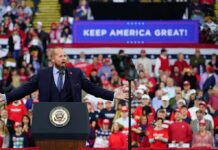
During President Trump’s primetime election speech this summer, Democratic governors accused him of trying to undermine free and fair elections. They said they would fight any unlawful attacks on the right to vote. Their joint statements focused on voter intimidation and last-minute rule changes. CNN covered those charges and the response, which placed Trump’s moves inside a broader fight over who protects the vote and who damages it, months before the midterms.
CNN’s coverage of the speech also highlighted the sharp language used against Trump’s plans. The network reported that all twenty-four Democratic governors alleged Trump intended to “intimidate and silence voters.” The focus on “undermining” and “intimidation” showed how the election-rigging frame expands beyond fraud claims to include rules, access, and pressure on voters. That broader frame fuels mutual suspicion even when no specific fraud evidence is presented.
Why Voters Hear “Rigged” From Both Sides
Political research shows this pattern has a logic. Studies find beliefs about “rigged” elections rise when partisans expect to lose or feel threatened, and those beliefs react strongly to elite and media signals. When leaders say the other side will cheat, their voters often follow. That message can boost turnout and fundraising. It also harms trust and raises the risk of legal fights when claims fail under scrutiny. The dynamic cuts across parties over time.
Media coverage compounds the cycle. Newsrooms must report leaders’ claims, especially from sitting officials, yet repetition can harden fears. Rigging talk now often includes warnings about voter suppression, ballot access, and sudden rule changes, not just fraud. That shift widens the field of suspicion and keeps voters on edge. The danger is clear: when both sides expect the worst, every close race looks shady, and the system’s losers feel robbed, win or lose.
What This Means For People Outside Washington
Americans who feel the system favors the powerful see a familiar script. Leaders trade charges of cheating while costs rise, debts pile up, and basic services stumble. People on the right and left share a view that elites protect their own team first. When both parties lean on “they will rig it” messages, voters hear more alarms than solutions. That breeds apathy or rage, not trust. The country needs proof-based answers, clear rules, and quick, transparent counts.
Scott Jennings Brings Receipts After CNN Dems Deny Party's Pushing ‘Election Rigging’ Narrative https://t.co/U4uc6vTAG8
— Leftism Delenda Est (@old_take) October 7, 2026
Practical steps can help. States can post clear timelines, chain-of-custody rules, and audit plans months before voting. Courts can fast-track election disputes. Media can show the process, not just the clash. Leaders can say two things at once: fight real wrongdoing hard, and accept verified results fast. Americans know gamesmanship when they see it. They reward adults in the room who fix problems instead of blaming “rigging” before a single vote is counted.
Sources:
twitchy.com, transcripts.cnn.com, cnn.com, lemonadamedia.com, nypost.com
© newsworthy.news 2026. All rights reserved.