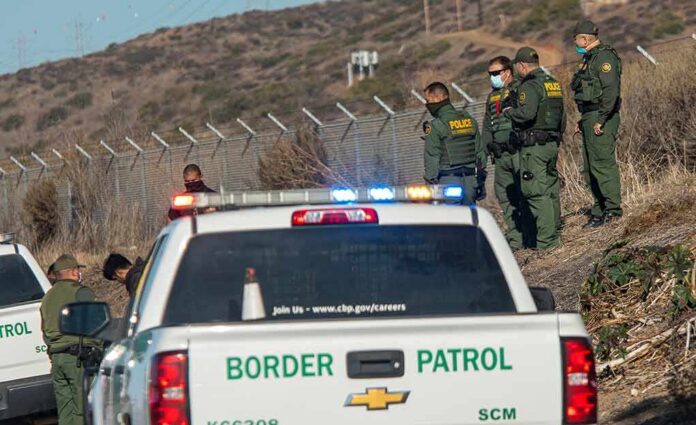
A Department of Homeland Security alert warned that cartel-linked smugglers may target and kidnap U.S. border agents in West Texas, prompting a stepped-up security posture along key patrol routes.
Story Highlights
- An internal alert flagged a kidnapping threat against U.S. border agents near Presidio and El Paso.
- The alert cited a known smuggler using migrant crossings from Colombia and Venezuela as cover.
- U.S. Customs and Border Protection said it vets threats and uses robust mitigation methods.
- Multiple outlets reported the same core warning within hours on October 6, 2026.
What The Alert Said And Where The Risk Is Focused
NewsNation reported that an internal Department of Homeland Security alert warned of a possible plan to target and kidnap U.S. Customs and Border Protection personnel. The warning named the Presidio and El Paso areas of operation along the Texas border as the focus. The quoted language said “initial reporting indicates” the operation “may include attempts” to kidnap agents and officers. Those details set a clear geographic frame for increased caution and agent safety checks.
Townhall relayed the same core language and timing, underscoring that the risk picture centered on West Texas. Diario de Juárez echoed the report for Spanish-speaking readers in the El Paso corridor. The clustering of coverage on the same day suggests the alert circulated among reporters at the same time. None of these outlets named a specific cartel or cell, but each tied the warning to Department of Homeland Security sources.
How Smuggling May Serve As Cover For A Kidnapping Attempt
The alert described a known smuggler who planned to move migrants from Colombia and Venezuela into the United States. Reporters linked that movement to the alleged plot, suggesting the smugglers could use a migrant crossing as a screen for an attack on agents. This tactic fits criminal patterns where traffickers blend with larger flows to hide intent. The reports did not include names or arrest actions tied to the smuggler at the time of publication.
Kidnapping threats against federal agents raise operational stakes for patrol teams that already face danger. Agents work in remote stretches with limited backup and complex terrain. A small group can stage an ambush near river crossings, stash houses, or pickup points. That reality makes early warnings vital, even when details remain thin. Field leaders can adjust patrol times, partners, and routes to reduce exposure until the picture gets clearer.
What U.S. Customs And Border Protection Says It Is Doing
U.S. Customs and Border Protection said it maintains proactive intelligence on foreign actors that threaten the homeland. The agency said it vets incoming information to determine validity and uses robust threat-mitigation methods. While the statement did not list tactics, the agency’s strategy stresses using intelligence to reduce the impact of the highest risks. That approach aligns with tightening force protection when a specific corridor or method is flagged.
Cartels Plot to Kidnap Border Agents in Texas
An internal Department of Homeland Security alert warns that a known alien smuggler linked to the cartels is preparing to move groups of illegal immigrants from Colombia and Venezuela across the Texas border with the explicit aim of…
— Michael Duplessis (@dupemd12) October 7, 2026
The broader homeland security system was designed to lean on fast warnings so operators can act before violence occurs. That design means the public often sees the warning first and the proof later, if at all. For many readers, this feeds a shared concern that Washington talks more than it delivers. For agents on the line, an early heads-up can be the difference between a safe shift and a tragedy.
Why This Matters Beyond The Border
Criminal groups test U.S. resolve when they target federal officers. A successful attack would ripple well beyond Texas. It would chill recruiting, harden tactics, and strain trust on both sides of the aisle. Conservatives see a failure to control the border as a national security breach. Liberals see the human cost and the risk of communities caught in the crossfire. Both agree government must protect front-line workers and enforce the law with clarity and consistency.
What To Watch Next
Watch for visible changes in patrol patterns near Presidio and El Paso, as well as joint actions with state and local partners. Look for follow-up statements that confirm whether the threat picture has shifted. Keep an eye on federal briefings or congressional interest in agent safety along high-risk corridors. Any arrests, seizures, or named suspects tied to this alert would mark a next phase and show whether the threat moved from planning to disruption.
Sources:
townhall.com, diario.mx, newsnationnow.com, nampa.org, dhs.gov, x.com
© newsworthy.news 2026. All rights reserved.