

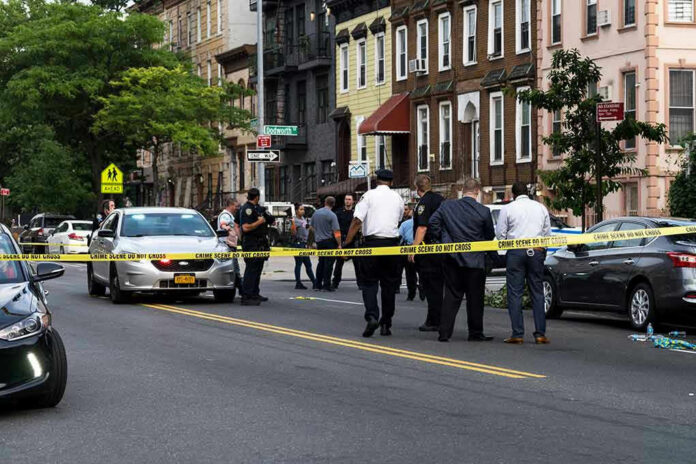
New York City counted 90 fire-related deaths so far in 2026, nearly double the 51 at this point in 2025, after two people died in separate fires on Thursday.
Story Snapshot
- Fire Department figures reported 90 deaths from 62 fires citywide in 2026.
- Two latest deaths occurred in Crown Heights and the Bronx on the same day.
- City Council held an emergency hearing as deaths surged versus 2025.
- A Brooklyn blaze earlier this month killed six, underscoring the trend.
What Happened: Two New Fatal Fires And A Rising Toll
Fire officials said two people died in separate fires on Thursday, pushing New York City’s 2026 fire death count to 90 across 62 incidents. One fire started about 10:15 a.m. on the first floor of a four-story building on Lincoln Place near Classon Avenue in Crown Heights. Another began about 12:25 p.m. on the second floor of a private home on Metcalf Avenue near East 172nd Street in Soundview, the Bronx. The new number compares with 51 at this point in 2025.
City lawmakers moved quickly as the total climbed. The New York City Council questioned the Fire Department at an emergency hearing about the rise in deadly fires and the growth in battery-related incidents. Reporters at the hearing cited the 90 deaths to date, which are almost double last year’s pace. The number reflects a broader jump in residential fires and comes after a string of high-casualty events in the fall.
Key Incidents Driving Public Alarm
A three-alarm fire in Sunset Park on November 5 killed six people in a rowhouse at 653 58th Street, with four dying at the scene and two later at a hospital. Investigators removed electric bikes from the home as part of the probe, while the fire marshal worked to confirm the cause. The deadly blaze showed how fast a home can be overwhelmed and why exits, alarms, and safe charging habits matter when minutes decide survival.
The New York Times reported 89 city fire deaths as of November 19, reflecting the steep rise this year from familiar dangers like old buildings without modern protections, cluttered exits, and risky charging of devices. The next day’s deaths lifted the count to 90, reinforcing that the late-year spike was not an outlier but part of a sustained uptick. Officials have warned that even small lapses, like blocked hallways or failed smoke alarms, can turn survivable fires into deadly ones.
Why The Numbers Are Up And What Can Change
City data and hearing testimony point to more residential structure fires in fiscal year 2026, rising about six percent from the prior year, and a sharp increase in fires linked to rechargeable batteries. The Council highlighted both trends and pressed for steps that everyday people can use now: keep exits clear, install and test smoke alarms, avoid charging bikes or scooters indoors, and know two ways out of every room. Those steps cut risk today while bigger fixes move slowly.
I convened today's emergency @NYCCouncil hearing on fire safety because this year's increase in fires and fatalities in New York City is a crisis. pic.twitter.com/RCbBhOmedy
— Speaker Julie Menin (@SpeakerMenin) November 20, 2026
Long-run trends show progress, but this year breaks the pattern. Fire deaths fell to 66 in 2019 and 63 in 2020, and stayed below 100 a year for more than a decade. The jump to 90 by late November 2026 is a real setback, even if it does not return the city to the far deadlier years of the past. People across the political spectrum see the same bottom line: systems meant to keep families safe are not keeping up with today’s hazards.
Sources:
nypost.com, yahoo.com, brooklynpaper.com, nydailynews.com, abc7ny.com, amny.com
© newsworthy.news 2026. All rights reserved.