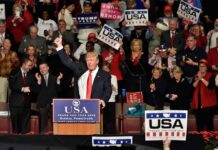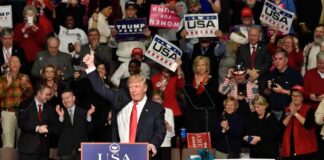
President Trump told a Nebraska rally that Iran could “take out” Los Angeles or San Diego, calling it a “small price to pay,” igniting a coast-to-coast firestorm over civilian safety and national values.
Story Highlights
- Trump said Iran could “take out” Los Angeles or San Diego and called it a “small price to pay”.
- California leaders denounced the remarks as dangerous and unacceptable.
- Local and national outlets treated the comments as a fast-moving public-safety scandal.
- Some reports noted the line may have been a jest or unclear in intent.
What Trump Said And Why It Landed So Hard
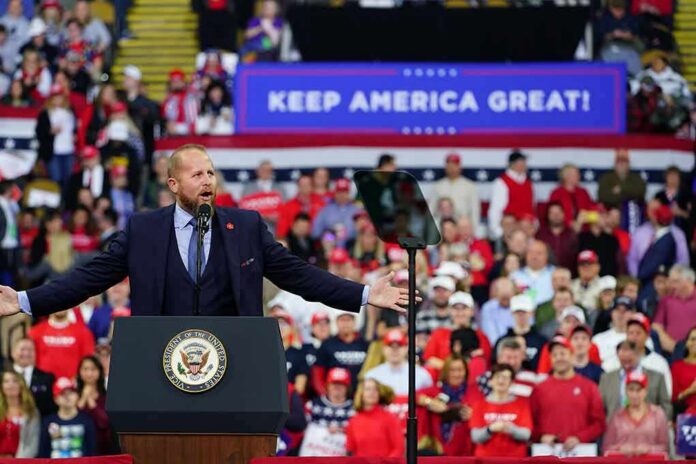
At a campaign rally in Grand Island, Nebraska, President Trump said, “They can take out a city. Let them take out Los Angeles. Let them take out San Diego,” while arguing that higher prices tied to the war with Iran were a “small price to pay” for safety. The comments named two of America’s largest cities and tens of millions of residents. That framing turned a debate about wartime costs into a shock statement about American civilian targets.
California outlets and national media reported the remarks within hours, underscoring their reach and urgency. Headlines focused on the named cities and the “small price” line. The speed of coverage showed how references to harm against U.S. civilians trigger immediate alarms across politics and media. Reports described applause at points in the segment, which critics said risked normalizing extreme talk during wartime debate.
How California Leaders Responded
Governor Gavin Newsom condemned the remarks, saying Trump was telling a foreign enemy to “take out” Los Angeles and San Diego. Newsom’s office escalated the warning, arguing the President was advocating an attack on more than 10 million people. Los Angeles leaders also rebuked the line as reckless. Their responses framed the comments as a direct public-safety threat and as a break from how leaders should speak about American cities in wartime.
The backlash unified typical rivals in California politics around a basic point: U.S. officials should not float harm to Americans as acceptable collateral. That reaction tapped into a wider public mood. Many citizens on the left and right already doubt that leaders put people first. Hearing a President weigh city destruction against lower prices sounded, to critics, like elites treating regular Americans as expendable.
Ambiguity, Outrage, And Today’s Media Cycle
Some outlets said the line might have been in jest or that its meaning was unclear. That caveat did not slow the blowback because the literal words still named U.S. cities as targets. Modern media cycles often amplify the most vivid meaning first. When a leader uses dramatic images about civilian harm, the public tends to treat the words as real signals, not stagecraft, especially amid an active conflict.
This pattern is familiar: rhetorical escalation, fast partisan and civic condemnation, and then arguments over intent. In the current climate, intent often matters less than effect. People in the mentioned cities felt singled out. Families already stressed by high prices, war news, and distrust of Washington heard a message that their safety was tradeable for a broader goal. That deepens a shared fear that powerful people will be safe while others pay the price.
Why The Words Matter Beyond Politics
American national security doctrine rests on protecting civilians at home. When a President appears to treat city loss as tolerable, even rhetorically, the signal can carry abroad and at home. Allies may worry about resolve and judgment. Adversaries may test boundaries. At home, police, emergency managers, and public health officials must answer new questions from residents who feel targeted, even if no new threat exists.
Sometimes, when Donald Trump is talking trash, we ought to just let him do it. Let him talk all the trash he wants, because amplifying everything he says ultimately only fuels his rhetoric.
For instance, his suggestion that Iran is welcome to "take out" California, specifically… pic.twitter.com/aM4xF2lDl7
— Audacious555 (@Alicat5551) October 6, 2026
Clear language from leaders helps keep trust during hard times. Strong debate over costs and strategy is healthy in a free country. But suggesting that millions of Americans could be “taken out” and calling it a “small price” undercuts that trust. It blurs the line between tough talk and care for citizens. That is the line many Americans, conservative and liberal, believe Washington has already crossed too often.
What To Watch Next
Watch for any formal clarification from the White House or the campaign on the intended meaning of the lines. Look for a full transcript or complete video context from the event to show the exact sequence and tone. Track whether national security officials, including the Department of Defense, the Department of Homeland Security, or state emergency leaders, issue statements addressing public concern. Those steps could steady nerves and anchor policy, not just politics.
Sources:
cbsnews.com, abc7news.com, fox40.com, foxla.com, ktla.com
© newsworthy.news 2026. All rights reserved.