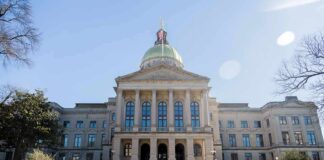
Dozens of colleges are using government-backed grants to host Indigenous Peoples’ Day events on October 12, the same date as Columbus Day, a holiday presidents have called an answer to one of the worst acts of anti-Italian violence in American history.
Story Snapshot
- Columbus Day began in 1892 after the lynching of 11 Italian Americans in New Orleans.
- White House proclamations under multiple presidents link the holiday to Italian American heritage and past discrimination.
- Schools like Boston University and Brown University have renamed or replaced Columbus Day with Indigenous Peoples’ Day.
- College supporters say the switch honors Native American history rather than targeting Italian Americans.
- Surveys show most college students back the change, even as some Italian American groups push back.
A Holiday Born From Tragedy
President Benjamin Harrison created Columbus Day in 1892. He acted after a mob killed 11 Italian immigrants in New Orleans the year before, a mass lynching historians call one of the largest in United States history. The White House has repeated this history in recent proclamations, stating Italian Americans “faced discrimination” after the attack.
President Trump restored the holiday’s Columbus Day name in federal proclamations, saying “we’re back, Italians” and accusing critics of trying to “erase our history”. His language echoes proclamations issued under President Biden, which also tied the holiday directly to Italian American identity and the 1891 lynching. Both versions treat the holiday as more than a date on a calendar.
Campuses Nationwide Make the Switch
Many colleges have moved away from that framing. Boston University renamed its October holiday Indigenous Peoples’ Day in 2021, saying the change would help the school “acknowledge and reflect on our complicated colonial history”. Brown University took a similar step in 2016, after first dropping the Columbus Day name back in 2009. Other schools, including Mt. San Antonio College, passed student votes to do the same.
These changes are not isolated incidents. A College Pulse survey found 69% of college students support replacing Columbus Day with Indigenous Peoples’ Day, with even higher numbers at Ivy League schools. More than 100 cities, towns, and counties across the country have made similar switches, according to public broadcaster coverage. The trend shows a broad shift in how institutions handle the holiday.
Two Sides, One Shared History
Supporters of the change say it is not meant to insult Italian Americans. A community college president wrote he doubted celebrating both days together was “intended as a slight to the Italian American community”. Harvard materials describe the shift as a way to confront “the violent abuse of Indigenous peoples” tied to Columbus’s arrival, without naming Italian heritage as a target.
Still, the gap between these two histories is real. One side points to a holiday founded to answer violence against Italian immigrants. The other points to centuries of harm done to Native people under the banner of Columbus’s name. Neither side disputes the other’s basic facts. They disagree on which history a single day in October should be built to honor.
This fight fits a wider pattern. Across the country, schools and city governments keep revisiting old symbols, from building names to statues to holidays, as views on history shift. Each change sparks the same question: does updating a symbol honor a fuller truth, or does it erase a group’s hard-won recognition? Columbus Day sits right at that unresolved line.
Sources:
townhall.com, audacy.com, bu.edu, oberlinreview.org, ccbcmd.edu, thecrimson.com, news.harvard.edu, brown.edu, foxnews.com, campusreform.org
© newsworthy.news 2026. All rights reserved.