
A taxpayer-funded television ad praising President Trump aired on national cable with the on-screen line “Paid for by the U.S. Government.”
Story Snapshot
- The 30-second spot ran on major cable channels and mirrored a White House video.
- Ad trackers estimated about $14,000 spent across Fox News and Newsmax placements.
- The White House called the message a public service announcement, not political.
- Key questions remain about which office funded and approved the ad buy.
What Aired And Where It Ran
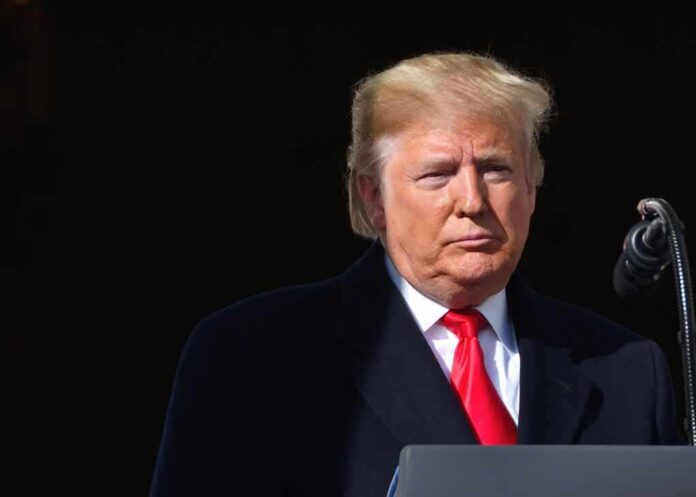
ABC News and CBS News reported a short television ad with President Trump’s remarks aired on Fox News and other national cable outlets beginning midweek. The message featured anti-communism lines and ended with an on-screen statement reading “Paid for by the U.S. Government”. Reporters said the broadcast matched a White House YouTube video titled “America Will Never Be a Communist Country,” suggesting an official origin for the content before or alongside its on-air use.
AdImpact, a media tracking firm, estimated the ad buy at about $14,000 across Fox News and Newsmax, indicating a limited but targeted placement. CNN and CBS News similarly tied the ad to national cable distribution, including Fox News, with connected television also noted among placements. While the dollar figure is small, the timing near midterm contests and the focus on the President’s image prompted fast scrutiny from both parties and legal analysts.
How The White House Framed The Message
The White House defended the spot as a public service announcement aimed at promoting national pride and civic unity. Officials said the ad is “educational and unapologetically patriotic,” not political, pointing out that the ad does not include a call to action and that President Trump is not on a ballot this year. CNN reported the same defense and noted that the administration grouped the ad within a series of public service announcements designed to encourage love of country.
Politically independent observers will recognize this long-running tension in Washington. Government communications often test the line between neutral information and partisan promotion, especially close to elections. Critics argue that featuring a sitting president’s image and signature lines makes the ad look like a campaign-style spot rather than a neutral message. Supporters answer that pride in country is a valid government theme. The White House’s framing tries to keep the ad on the safe side of that line.
The Unanswered Questions On Funding And Law
Coverage consistently flagged a key gap: the paying office remains unclear. Reports cited the “Paid for by the U.S. Government” label but did not identify which budget account or agency authorized the script, cleared the creative, and purchased the airtime. That missing paper trail matters because annual spending laws ban using federal funds for “publicity or propaganda,” and watchdogs often review intent, timing, and tone when judging such cases. No enforcement finding has been issued yet.
Administration's pro-Trump TV ad is taxpayer-funded https://t.co/i2MB7V5AmN pic.twitter.com/hgPahGBvKo
— ABC7 News (@abc7newsbayarea) September 25, 2026
Legal analysts also pointed to the Hatch Act debate. Most executive branch employees face limits on using their roles for political activity, though the President and Vice President are not covered in the same way. Without documents showing the funding source, approval chain, and purpose, it is hard to say whether rules were broken or norms were bent. For now, the public record supports three facts: the ad aired, it looked campaign-like, and it carried a government disclaimer.
Why This Strikes A Nerve Across The Spectrum
Americans on the right and the left share a growing fear that public officials use taxpayer money to burnish their own image while the country’s core problems go unsolved. A government-labeled ad that spotlights the sitting President, even at low cost, feeds that worry. Conservatives who dislike “woke” spending and liberals who distrust “America First” branding both ask the same thing here: who paid, who approved, and where is the line between service and self-promotion.
What To Watch Next
Watchdogs, lawmakers, and reporters will likely seek documents that answer the funding and authorization questions. Those include invoices, account codes, internal emails, and legal reviews. Networks and ad trackers could supply logs that show when and where the ad ran. If an inspector general, the Government Accountability Office, or the Department of Justice issues a formal view, that would clarify whether the ad fits a lawful public service model or crosses into improper propaganda.
Sources:
cbsnews.com, abcnews.com, inquirer.com, washingtonpost.com
© newsworthy.news 2026. All rights reserved.