Leshon Johnson, a former NFL star, faces severe legal consequences after his conviction in the largest-ever federal dog fighting case.
Story Highlights
- Johnson convicted on six felony counts for dog fighting and trafficking.
- 190 dogs seized, marking the largest number in a single federal case.
- The case underscores persistent illegal animal fighting despite past convictions.
- Sentencing pending, with significant prison time and fines expected.
Johnson’s Conviction and Its Implications
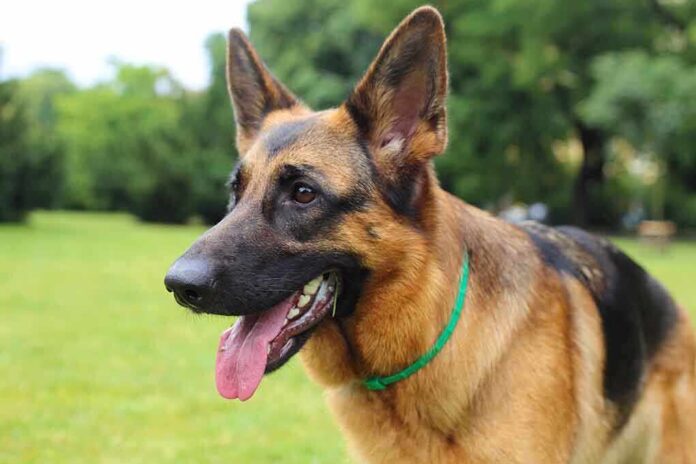
Leshon Eugene Johnson, once celebrated for his prowess on the football field, now faces a different kind of spotlight as he stands convicted on six felony counts related to operating a large-scale dog fighting and trafficking venture. This conviction marks a significant victory for federal authorities aiming to clamp down on organized animal cruelty. With 190 dogs seized from his Oklahoma property, this case sets a record for the largest number of animals confiscated in a federal dog fighting operation.
The implications of Johnson’s conviction extend beyond the immediate legal consequences he faces, including potential prison time and substantial fines. This ruling serves as a stark warning to others involved in similar illicit activities, highlighting the federal government’s commitment to enforcing animal welfare laws. The Department of Justice and the FBI, key players in this case, have reiterated their dedication to combating the despicable crime of dog fighting.
Background and Historical Context
Dog fighting has long been a felony across the United States, with the Animal Welfare Act providing a federal framework for prosecuting such cases. Johnson’s involvement in this illegal industry dates back to at least his 2004 state conviction for animal fighting. Despite receiving a deferred sentence then, he continued his operations under the guise of “Mal Kant Kennels,” purportedly a front for breeding and trafficking fighting dogs.
The recent conviction follows a lengthy investigation by federal and local law enforcement, culminating in the October 2024 raid that uncovered Johnson’s extensive operation. This case not only highlights the ongoing battle against organized animal cruelty but also underscores the federal authorities’ resolve to pursue high-profile cases involving celebrities who may leverage their status to evade justice.
Impact and Expert Analysis
The fallout from Johnson’s conviction is multifaceted, affecting various stakeholders and communities. In the short term, the 190 rescued dogs are now in the care of animal welfare authorities, with potential for rehabilitation and rehoming. Johnson, meanwhile, awaits sentencing, which will likely include significant jail time and fines, serving as a deterrent to others engaging in similar activities.
Long-term, this case establishes a new benchmark for federal dog fighting prosecutions, particularly in terms of scale and the involvement of a former NFL player. It is expected to prompt further investigations into similar operations and may lead to increased scrutiny of dog breeders and kennels, especially those with connections to the sporting world.