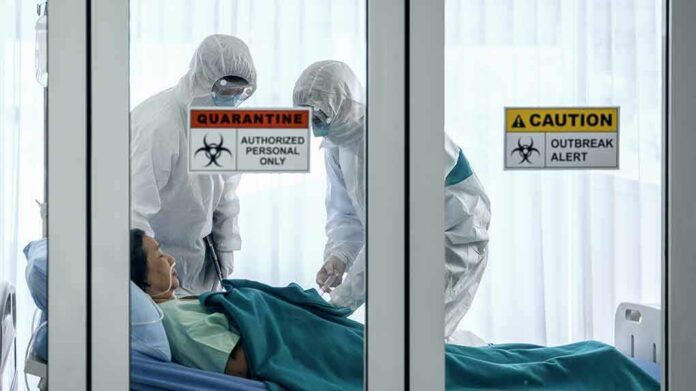
Democratic Republic of the Congo confirmed its deadliest Ebola outbreak on record, with 2,325 deaths among 4,945 cases.
Story Highlights
- Officials report 4,945 confirmed cases and 2,325 deaths, a 47% fatality rate.
- World Health Organization says this is the country’s largest recorded Ebola outbreak.
- Case totals climbed rapidly from June to August, signaling fast transmission.
- The death toll now surpasses the 2018–2020 DRC outbreak benchmark.
What DRC Officials and Global Health Agencies Reported
Democratic Republic of the Congo health authorities reported 4,945 confirmed Ebola cases and 2,325 deaths, yielding a 47% fatality rate. International outlets on August 17 cited the government situation report detailing those figures, which mark the country’s deadliest Ebola outbreak to date. The World Health Organization described the epidemic as the largest recorded in the Democratic Republic of the Congo, noting that it has overtaken previous outbreaks tracked in the country. These announcements place the crisis in a clear, historic context.
World Health Organization data traced sharp growth in recent months. By June 6, officials counted 515 confirmed cases and 91 deaths. By July 15, totals rose to 2,124 confirmed cases and 828 deaths. By July 30, the count reached 3,605 cases and 1,587 deaths. This steady rise shows how quickly the virus spread once community transmission took hold. The path from hundreds to thousands of cases in weeks strained clinics, contact tracing teams, and supply lines.
How This Outbreak Compares to Past Ebola Waves
World Health Organization records show this outbreak has now surpassed the country’s 2018–2020 epidemic, which had 3,323 confirmed cases and 2,299 total deaths across confirmed and probable categories, and long stood as the benchmark for severity in the Democratic Republic of the Congo. Media and agency updates shifted over time from “second-largest” to “largest” to “deadliest,” reflecting changing totals as surveillance improved. That pattern is common in outbreak reporting and does not change the core fact: this crisis set a national record.
The current epidemic involves the Bundibugyo virus species of Ebola, which has caused fewer historic outbreaks than the Zaire species but can still be deadly and disruptive. Public health teams rely on early case finding, safe burials, and clear communication to slow spread. Delays in detection reported in May likely allowed the virus to move through communities before responders scaled up operations, adding to the fast growth seen later. Faster identification and isolation remain key in the weeks ahead.
Why This Matters for Americans Watching a Strained World
Global health shocks can reach U.S. shores through supply chains, travel, and aid needs. When an outbreak overruns local systems abroad, the United States often faces new calls for funding, equipment, and response teams. Voters across the spectrum already doubt whether large agencies spend wisely and act fast. Clear, timely data from the World Health Organization and national health ministries help keep costly guesswork down and focus help where it saves the most lives.
Ebola outbreak in DR Congo becomes deadliest in country’s history – Al Jazeera https://t.co/s6ctsBZJp1
Follow @NewsHubGlobe for 24/7 breaking news from around the world. pic.twitter.com/fIFzm7N1OQ
— News Hub (@NewsHubGlobe) August 17, 2026
Americans also worry about mission drift and waste. This outbreak shows the cost of late detection and slow logistics. Targeted help—like lab support, protective gear, and training—beats open-ended pledges that vanish into bureaucracy. Transparent reporting with side-by-side counts for confirmed and probable cases can prevent confusion about what “deadliest” means while keeping trust intact. Solid facts, not slogans, guide smart action and protect both local families there and taxpayers here.
Sources:
bbc.com, news.cgtn.com, who.int, news.un.org, reuters.com
© newsworthy.news 2026. All rights reserved.