

Germany says a bomb‑rigged drone near Ukrainian cargo planes at Leipzig/Halle Airport was a Russian hybrid attack, and it is tightening the screws on Moscow in response.
Story Snapshot
- German officials attributed the failed airport drone plot to Russia and called it a hybrid attack.
- Bomb experts disarmed the device near a runway used by Ukrainian cargo aircraft.
- Berlin shut a Russian consulate and a cultural center after its attribution decision.
- Moscow rejected the charge as “absurd” and “fabricated,” deepening the standoff.
What German Authorities Say Happened at Leipzig/Halle
German police found an explosive‑laden drone near the south runway at Leipzig/Halle Airport on August 4, 2026. Bomb experts disarmed the device and flights later resumed. Reporters said the drone was close to areas used by Ukrainian cargo aircraft at a major logistics hub that moves military gear and aid. These facts raised alarms about sabotage risks to supply lines. Officials said the device contained military‑grade explosives and a detonator built to cause real harm if it had gone off.
Interior Minister Alexander Dobrindt said the drone’s setup, parts, explosives, and trigger matched configurations seen in other Russian operations. He said intelligence pointed to people acting for Russian state bodies. Germany publicly concluded Russia was responsible for a hybrid attack and framed it as part of a broader pattern since the start of the war in Ukraine. Officials have not released a full forensic dossier but said they had enough evidence to act.
Berlin’s Response and Moscow’s Denial
After its attribution, Berlin ordered the closure of Russia’s consulate in Bonn and a Russian cultural center in Berlin. The move signaled that leaders believed the evidence crossed a serious bar. German steps matched a trend in Europe where suspected hybrid plots bring swift diplomatic costs. The action also aimed to deter repeat attempts against airports and supply hubs. These measures escalated tensions while keeping military options off the table for now.
Russia rejected the charges in blunt terms. The Russian embassy in Berlin called the claim “absurd.” President Vladimir Putin said Berlin “fabricated” evidence. Foreign Minister Sergei Lavrov called the accusations “the start of a real war,” and state media echoed that view. Russia’s line seeks to flip the narrative and argue Berlin is using politics to smear Moscow. The sharp denials show how hard public attribution battles can be to settle.
Why a Cargo Hub Became a Flashpoint
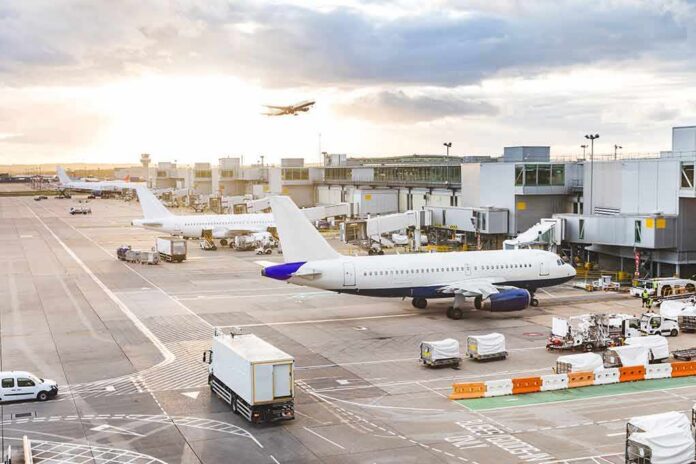
Leipzig/Halle is one of Europe’s busiest cargo airports. It handles humanitarian shipments and military support tied to Ukraine, with frequent flights and round‑the‑clock operations. Any attack there risks people, property, and key supply routes. German media said the found drone sat near where Ukrainian cargo planes operate, which supports the idea of a targeted strike on a high‑value node. Harming such a hub would slow aid flows and raise insurance and security costs across Europe.
Analysts say the case fits a wider rise in suspected Russian hybrid activity since 2022. Think tanks and officials have tracked sabotage, drone incursions, and signal jamming across the continent. These actions test defenses, create fear, and strain budgets without open warfare. This context explains why German leaders saw a pattern, not a one‑off. It also shows how even a failed plot can force costly security upgrades at airports and warehouses.
Evidence In Public vs. Evidence In Government Files
German leaders say the device’s design matched known Russian methods and that intel pointed to Russian state links. Yet the public has not seen a full lab report, parts trace, or intercepts. That secrecy is common when agencies guard sources and methods. It also fuels doubt among citizens who want proof they can see. Officials around Europe face the same bind: act fast on classified warnings, but risk pushback when they cannot show all the receipts.
German authorities have formally attributed a failed explosive drone incident at Leipzig/Halle Airport (in eastern Germany, near Schkeuditz) in early August 2026 to Russia. Any act of terrorism by Russia on German soil can never be tolerated.
— @LiamWilsonIII (@liamwilsoniii) September 26, 2026
For readers across the U.S. spectrum, this story hits familiar nerves. Conservatives see a warning about weak borders and soft security at vital hubs. Liberals see the danger of shadow wars that raise costs for workers and widen gaps at home. Both sides worry that distant elites make choices in secret while regular people pay. The Leipzig case underscores a hard truth: hybrid threats are cheap for attackers and expensive for the public to defend against, month after month.
What To Watch Next
Watch for Germany to share more case details in court or parliament, even if redacted. Look for joint European steps on airport counter‑drone systems, cargo‑area hardening, and better intelligence sharing. Note whether insurers raise premiums on high‑risk airports, which would pass costs to shippers and, in time, to consumers. Finally, track whether more suspected plots surface near rail yards, ports, and warehouses. Hybrid campaigns often shift targets when one door closes.
Sources:
theamericanconservative.com, dw.com, wsj.com, apnews.com, cnn.com, abc.net.au, defensenews.com
© newsworthy.news 2026. All rights reserved.