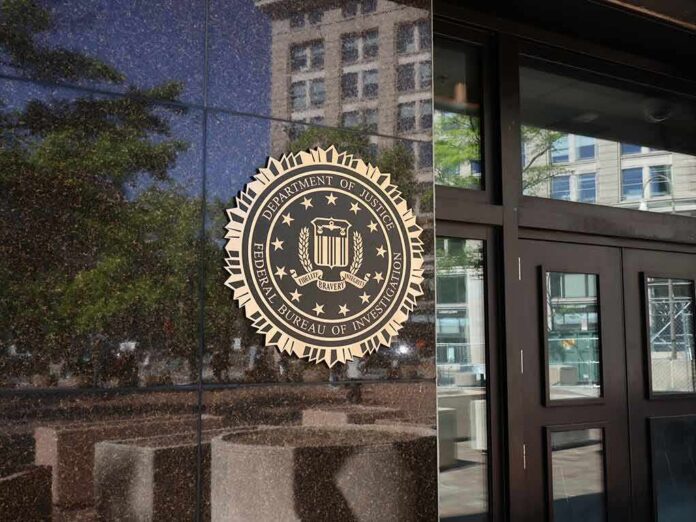
The FBI says it could take longer than the life of the United States so far to process secret “hidden room” records tied to some of the most sensitive political investigations in recent history.
Story Snapshot
- The FBI told a federal court it is processing “hidden room” records at 500 pages per month, which Judicial Watch says equals about 158 years for roughly 2 million pages.
- The records reportedly include files on the Trump–Russia probe and Special Counsel work, stored in a secure “burn bag room” inside FBI headquarters.
- A separate FBI filing also says up to 1.9 million pages in a secure facility could take 10–12 months to digitize and review before any release.
- The gap between “one year” and “158 years” has fueled anger across the political spectrum that federal agencies are hiding the truth and ignoring transparency laws.
What The FBI Told The Court About The “Hidden Room”
Conservative watchdog group Judicial Watch says the Federal Bureau of Investigation (FBI) recently told a federal judge that it is processing records from a “hidden room” at FBI headquarters at a rate of 500 pages per month. At that pace, the Bureau said it would take about 158 years to finish reviewing roughly 2 million pages stored there. The filing came in a lawsuit over the Freedom of Information Act, the main law that is supposed to give the public timely access to government records.
Judicial Watch reports that the room, now dubbed the “burn bag room,” holds more than 2 million pages split between “legacy files” and newer records tied to active investigations. Legacy files are described as older records from two closed investigations, while the newer material includes work tied to recent cases involving President Trump and his allies. Judicial Watch President Tom Fitton called the timeline “stonewalling” and said citizens should be “outraged” by a delay measured in centuries.
What Is Inside The Secret Room And Why It Matters
Fox News and Judicial Watch say the secret space is a secure sensitive compartmented information facility, or SCIF, inside FBI headquarters where burn bags and safes held thousands of Trump–Russia probe documents and other classified records. Burn bags are supposed to be used to destroy classified material after it is no longer needed, so finding old bags still full of documents raises questions about how the FBI handled evidence in major cases. One reported discovery was a classified annex to Special Counsel John Durham’s report on the origins of the Trump–Russia investigation.
Judicial Watch further reports that a Department of Justice filing identified several five-drawer safes in the SCIF with between 950,000 and 1,900,000 pages that must be digitized before the FBI can even tell how many are responsive to the lawsuit. That same filing, according to Judicial Watch, said the volume of records would take 10 to 12 months to process once digitized. Until that work is done, the government has said it cannot give a firm release schedule or even a clear count of which categories of records exist.
Why The “158 Years” Claim And “One Year” Estimate Clash
The public now faces two very different clocks: one estimate of about a year to digitize and process up to 1.9 million pages in the SCIF, and another of 158 years to work through roughly 2 million pages from the “hidden room” at 500 pages per month. The available summaries do not explain if these numbers cover the same set of records or different slices, and the full court declarations behind them have not yet been widely reported. That gap has fueled suspicion that federal officials are using complex procedures to avoid simple disclosure.
Judicial Watch says that even nine months after its “hidden room” Freedom of Information Act request, and four months after it filed suit, the FBI still has not provided a clear production timeline or basic counts for key categories of records. The group asked the court to force the FBI to finish its search for important files within 60 days and to set a firm schedule for releasing documents. The judge responded by ordering the Bureau to identify how many high-level internal communications and directives exist about handling the secret documents in time for a May 11, 2026 filing.
How This Feeds Left–Right Fears About A Failing Government
For many Americans, the idea that the FBI might take 158 years to process records about politically explosive investigations feels like proof that the system protects itself first and the public last. Supporters of President Trump see the burn bag room as a symbol of a “deep state” hiding evidence about the Trump–Russia probe and other efforts they view as lawfare against political outsiders. Long-time liberals, who remember past fights for transparency on issues like surveillance and civil rights, also worry that powerful agencies are unaccountable when they control the flow of information.
FBI says it would take '158 years' to process all 'hidden room' records, Judicial Watch says https://t.co/S1Atitnpx8
— Off The Press (@OffThePress1) August 1, 2026
The Federal Bureau of Investigation’s own public records site, known as the Vault, shows the agency can post large sets of documents when it chooses, which makes the century-plus timeline feel even more out of step with basic expectations for openness. Battles like this are part of a broader struggle over the Freedom of Information Act, where agencies often point to volume, security, and review burden to explain delays, while requesters argue that slow processing lets officials bury mistakes and abuse. The “hidden room” fight has become a vivid example of how far apart those two views have grown.
Sources:
judicialwatch.org, abcnews.com, vault.fbi.gov, whyy.org, fbi.gov, foxnews.com, en.wikipedia.org
© newsworthy.news 2026. All rights reserved.