
President Trump told Michigan voters he is campaigning to stop a “jihadist Muslim Brotherhood member” from winning a United States Senate seat, turning a key race into a test of rhetoric, religion, and proof.
Story Highlights
- Trump labeled Abdul El-Sayed a “Muslim Brotherhood guy” and a “jihadist” in multiple public remarks.
- Republican allies echoed the message, pressing El-Sayed to disavow the group during Michigan events.
- El-Sayed denied the claim and said he disavows the Muslim Brotherhood at a town hall.
- Some reporting noted no public evidence proving formal membership has been produced.
Trump’s Allegation Became a Central Message in Michigan
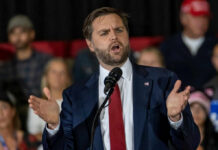
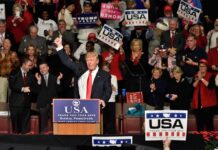
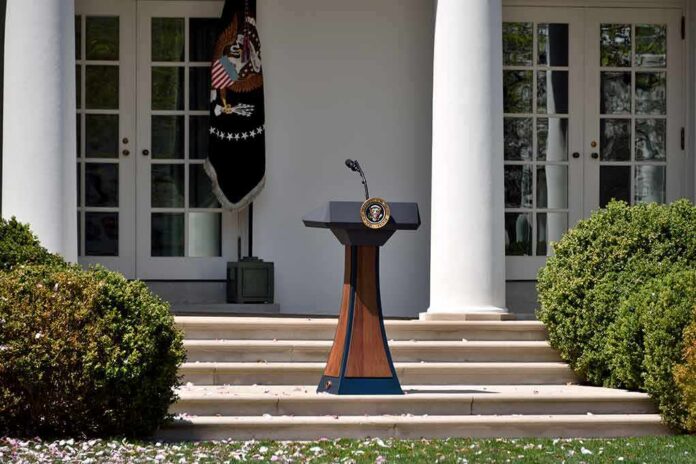
On October 15, 2026, President Trump said at the White House that Abdul El-Sayed is “100%” a “Muslim Brotherhood guy” and repeated the point by stressing El-Sayed’s Muslim identity. Ten days later in Port Huron, Trump told supporters he came “to keep a jihadist Muslim Brotherhood member from becoming a United States senator”. A video message to Michigan voters also called El-Sayed a “Muslim radical” and “Muslim Brotherhood member”. These statements shaped the campaign’s closing weeks.
Republican messaging extended beyond the president. Former Representative Mike Rogers urged El-Sayed to disavow the Muslim Brotherhood during an October 17 event at Birch Run Speedway and Event Center. Reports noted that Trump amplified the push the same day with a recorded video. The overlap showed a coordinated theme rather than a single offhand remark. Allies framed the issue as a security warning, placing the allegation at the center of voter attention before November 3.
El-Sayed’s Denial and Disavowal Set a Counterpoint
Abdul El-Sayed addressed the claim in Michigan on October 17. When asked at a town hall whether he would disavow the Muslim Brotherhood, he replied, “sure, yeah, absolutely,” and he criticized suggestions of “dual loyalty” tied to his faith. Coverage highlighted his clear denial and disavowal, which created an immediate counter to the Republican message. The exchange ensured voters heard both sides in real time as national figures repeated the charge in speeches and videos.
Published reporting recorded the allegations and the denial but did not identify public records proving formal membership for El-Sayed. One outlet assessed Trump’s statements and noted the absence of documentary proof provided to the public at the time, such as membership lists, correspondence, or agency findings. That reporting contrasted with the forceful campaign framing, which often focused on labels rather than underlying documents or definitions tied to organizational membership.
How Rhetoric, Religion, and Evidence Collide in Elections
This clash fits a wider pattern in American politics where Muslim candidates face unique suspicion and charged language about loyalty and security. A Rutgers review of more than thirty cases from 2001 to 2026 describes recurring tactics, including claims about Sharia law and links to political violence. The term “Muslim Brotherhood” adds complexity. It can refer to a broad movement, a network of groups, or a specific membership tie. Campaign language can blur those lines and leave voters sorting labels from proof.
Michigan Senate candidate Abdul El-Sayed responds to President Trump’s repeated mispronunciation of his name, noting that the President appears unbothered by Saudi funding of his son-in-law’s private equity firm or a $400 million Qatari private jet and adds that after November,…
— OneclickAfrica (@1clickAfrica) October 26, 2026
Michigan’s race now rides on two clear tracks. Republicans centered their closing argument on Trump’s charge and Rogers’ call for disavowal, tying the contest to national security themes. El-Sayed delivered a denial and disavowal and pushed back on faith-based attacks. Voters are hearing a stark contrast: a security warning without published documentation on one side, and a direct rejection of the label on the other. The outcome may hinge on whether rhetoric or records carry more weight with the public.
Sources:
cbsnews.com, detroitnews.com, edition.cnn.com
© newsworthy.news 2026. All rights reserved.