
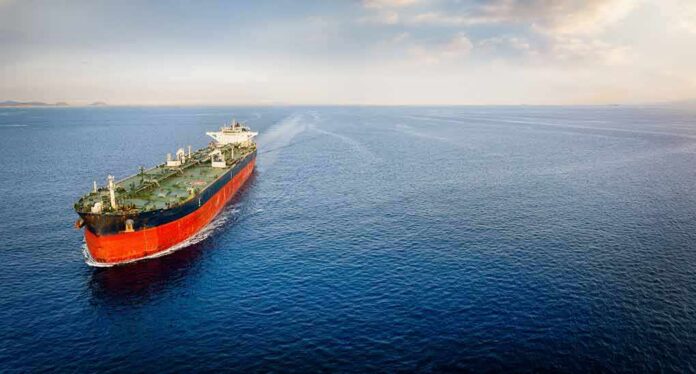
Barack Obama said Iran gained “veto power” over the Strait of Hormuz while U.S. commanders insist the waterway remains open under American and allied protection.
Story Snapshot
- Obama argued Iran now wields leverage over Hormuz and is stronger than before the conflict.
- Shipping data and attack reports show reduced flows and higher escort needs during October.
- U.S. Central Command said traffic continues safely with coordinated protection and mine-free routes.
- The dispute turns on “veto power” meaning leverage versus total control of the chokepoint.
What Obama Claimed And Why It Resonates
Barack Obama told rally crowds that Iran now has “veto power” over the Strait of Hormuz and stands in a stronger strategic position than before the war. He tied this to U.S. casualties, attacks on allies, and depleted missiles, and he linked that leverage to higher fuel costs for families and businesses. The line hits a shared nerve. Many Americans believe the government cannot protect vital trade routes or their wallets while insiders argue over blame.
Obama’s words were political, but they rested on real stress in the waterway. Reports described more attacks near Hormuz and a pullback in tanker traffic. Marine analytics cited by the British Broadcasting Corporation showed daily oil flows dropping from about 15 million barrels in late September to roughly 12.6 million barrels by mid-October. U.S. naval help for tankers surged, with more escorts and assistance to keep ships moving through the southern channel. That paints a picture of risk, delay, and added cost.
What The Military Says Is Still Working
United States Central Command pushed back with its own facts. The command said commercial traffic continues to flow with protection from U.S. forces and regional partners. It reported that primary shipping routes remain clear of Iranian sea mines. It also cited thousands of safe transits over recent months and safety rates above ninety-five percent. The message was simple: the strait is open, guarded, and under effective control by the United States and its allies.
U.S. Navy officials also said Iran has not closed the waterway. They described the “vast majority” of attempted attacks as unsuccessful and noted hundreds of merchant ships moving through in a single week. They added that American forces helped regional partners move large volumes of crude through the corridor even during heightened threats. These claims do not erase the risk. They do show that protection is holding, at least for now, and that most ships get through.
Defining “Veto Power” At A Global Chokepoint
The gap between the two claims turns on the meaning of “veto power.” Total control would mean Iran could shut the gate at will. That is not what current data show. But leverage can be real without full control. Threats, drones, and attacks can raise insurance, force escorts, and slow routes. That pressure can move prices and policy because this narrow passage carries about one-fifth of global petroleum liquids in a typical year. Leverage here hits energy, shipping, and families’ budgets.
Former US President Barack Obama criticized Trump’s war on Iran, questioning Washington’s claims of victory and warning of mounting consequences.
Key Takeaways
Obama challenged Trump’s claims of military success against Iran, citing American casualties, depleted missile… pic.twitter.com/BR7eIA8cby
— The Palestine Chronicle (@PalestineChron) October 25, 2026
Both things can be true at once. Iran can increase risk and costs, nudging flows down and forcing the Navy to work harder. The United States and partners can still keep traffic moving most of the time. The British Broadcasting Corporation’s numbers and escort reports back the first point. Central Command’s mine clearance and safe-transit figures back the second. The deeper question is sustainability. How long can escorts offset risk without draining missile stocks or stretching crews thin?
Why This Matters Beyond Partisan Lines
This fight is not only about scoring points. It is about whether America can protect a vital artery without spiraling costs at home. Conservatives see energy strain as the product of bad bets on unreliable policies and endless wars. Liberals see working families squeezed by market shocks and a system tilted to the well connected. Both see a government that talks tough but often fails to plan. A chokepoint this critical exposes hollow slogans on all sides when tankers slow and premiums rise.
What To Watch Next
Watch the hard numbers, not the spin. Daily transits, barrels moved, delays at anchor, and insurance pricing will show whether risk is rising or easing. Look for updated figures from the Navy on escorts, safe passage rates, and any changes in mine warnings. Track whether oil flows bounce back toward normal or stay below trend. If escorts grow while attacks persist, leverage may be shifting even if the gate stays open. If flows recover, deterrence may be sticking.
Sources:
ap7am.com, aljazeera.com, newsweek.com, bbc.com, geo.tv, defence-industry.eu, bbc.co.uk, x.com, yahoo.com
© newsworthy.news 2026. All rights reserved.