
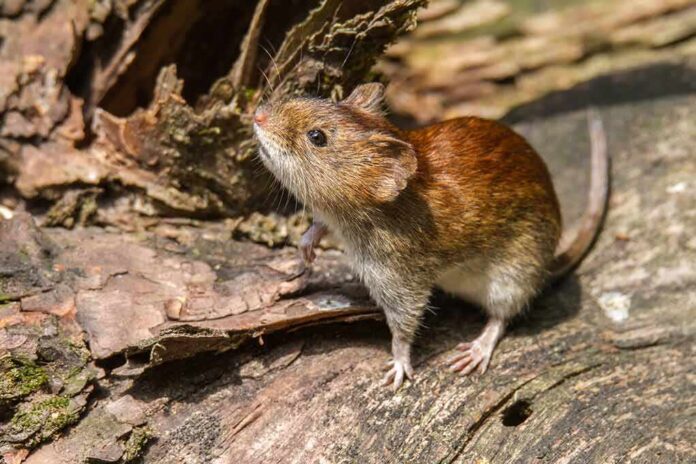
A second rabid raccoon found near Westlake Village has Los Angeles County warning people and fast-tracking care for possible exposures.
Story Highlights
- Los Angeles County confirmed a second rabid raccoon in Westlake Village and opened an investigation.
- Officials said the animal looked sick and aggressive and was found near the first recent case.
- Two workers may have been exposed and are getting post-exposure treatment, officials said.
- Health leaders urged people to avoid wildlife and keep pets’ rabies shots up to date.
County Confirms Second Rabid Raccoon Near Earlier Case
Los Angeles County Department of Public Health reported a second rabies-positive raccoon in the Westlake Village area on October 23, 2026. Officials said the animal was found in a backyard near the site of the first recent raccoon case, linking the locations by neighborhood rather than by a proven transmission path. The department described the raccoon as sick and aggressive, which often triggers testing, a warning, and follow-up with anyone who may have had contact.
The county said two people working at a site may have been exposed to the animal and are receiving recommended post-exposure prophylaxis, which is standard medical care after a risky contact. Officials also said there were no known exposures among residents or pets, a distinction that reflects where contact might have happened rather than a contradiction in the alert. Health leaders asked the public to report sick or strange-acting animals to local animal control and to avoid touching wildlife.
What We Know About Testing and Strain Typing
County officials confirmed rabies in the second raccoon but said final strain testing is still pending. That means experts have not yet shown whether this animal carried the same bat-associated variant found in the earlier raccoon case in the area. The first raccoon’s variant was identified by the California Department of Public Health, which strengthens confidence in that result and the need for caution while the second animal’s variant analysis continues.
Public health teams often act before every lab detail is complete when the disease can be deadly. Rabies is almost always fatal if symptoms start, but timely care after a risky contact stops illness. The United States Centers for Disease Control and Prevention (CDC) reports about 4,000 rabid animals each year, mostly wildlife, while fewer than 10 people die because prevention works. About 100,000 Americans get post-exposure care each year to be safe.
Why This Matters for Families, Pets, and Workers
County guidance focused on steps that cut risk in daily life. People should keep a safe distance from wildlife, call animal control if an animal looks sick or behaves oddly, and never touch a dead or injured wild animal. Pet owners should keep rabies vaccinations current, since vaccines protect dogs and cats that might meet wildlife. These steps protect families, workers, and first responders while officials finish testing and trace any contacts tied to the second raccoon.
Los Angeles County reports its first rabid raccoon in more than 50 years
A raccoon found in Westlake Village tested positive for rabies. Four people and a dog may have been exposed and are receiving appropriate care and monitoring, officials say pic.twitter.com/vuwOlW8pvZ
— Wonders of Nature (@wonderofnatur) October 18, 2026
Rabies in raccoons is rare in California, but public health moves fast when it appears. The second raccoon’s location near the first case raises concern, yet it does not prove a direct link without matching lab results. That is why the county is urging caution, not panic. For now, the practical message is simple: avoid wildlife, vaccinate pets, and seek medical advice after any possible exposure. Those habits keep communities safe even as lab work continues.
Sources:
nypost.com, lacounty.gov, publichealth.lacounty.gov
© newsworthy.news 2026. All rights reserved.