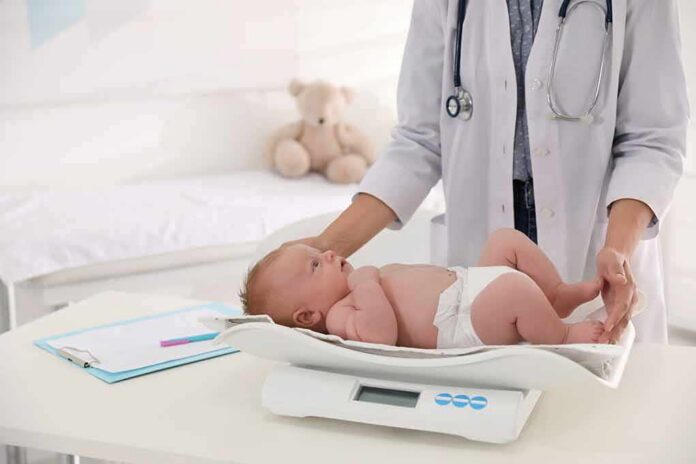
Two young brothers were flagged for a dangerous rare disease risk after routine newborn genome screening caught a genetic change tied to adrenoleukodystrophy.
Story Snapshot
- A United Kingdom newborn genome study spotted a genetic change linked to adrenoleukodystrophy in two brothers.
- Early detection set up scans and blood tests so doctors can act before major symptoms appear.
- The national study aims to find rare conditions early and improve care pathways across the health service.
- Adrenoleukodystrophy is an X-linked disease, and boys often inherit the faulty gene from their mother.
What The Study Found In This Family
Reporters in the United Kingdom say a national newborn genome screening study flagged two brothers for a genetic change linked to adrenoleukodystrophy. The Independent identified the boys as eight-month-old Revan and four-year-old Thorin. Doctors arranged regular scans and blood tests to watch for early signs and step in fast if needed. The report did not list the exact genetic variant or lab report details for the family, which are private medical records.
Genomics England includes adrenoleukodystrophy on its list of conditions screened in the program. The list names the ABCD1 gene as the target for this condition. That detail matters because it shows the study had a defined plan to look for this risk in newborns. The public materials focus on conditions with strong links between early detection and better care, which supports the program’s screening choices.
How The Generation Study Works
The Generation Study is a research program inside the National Health Service. Parents choose to join. Health staff collect a small blood sample from the baby after birth. A laboratory sequences the baby’s DNA and looks for certain rare conditions. The study is optional and separate from standard newborn care. Families can say yes or no to each part. The program aims to learn if genome screening can find problems earlier and improve treatment.
Consent documents explain that this is research, not routine care, and that parents agree to specific uses of the data. Results that suggest risk for a listed condition can lead to follow-up testing, monitoring, or referral to a specialist. The goal is to reach children sooner, before damage builds. Health systems hope that earlier action can prevent crises or slow decline in some conditions, though proof varies by disease and by case.
Why Adrenoleukodystrophy Warrants Early Watch
Adrenoleukodystrophy is a rare disease that can damage the brain and adrenal glands. Boys are at higher risk because the gene sits on the X chromosome. Many boys inherit the faulty X chromosome from their mother. Some boys first show problems with adrenal function, which doctors can treat if they watch closely and act quickly. Guidance for families explains these basics and supports monitoring when a genetic risk is found.
Newborn screening and early genetic findings can change care. Reviews of adrenoleukodystrophy screening link regular adrenal checks to fewer adrenal crises and fewer deaths. That is why early detection triggers scheduled tests for hormone levels and imaging when needed. The two brothers identified in the United Kingdom case now receive scans and blood tests set on a schedule, which lines up with these clinical goals for safety and speed.
Scale, Promise, And Real-World Limits
The Generation Study aims to enroll up to one hundred thousand newborns and is scheduled to run through March 2027. Health education groups say the study’s aim is to find rare genetic conditions early and to learn how to improve testing and treatment. The scale shows this is a live, national effort, not a small pilot. By August 2026, reports said tens of thousands of families had taken part across the United Kingdom.
This family’s story highlights the promise of early warning in a system that often moves slowly. Many readers on the left and the right worry that big programs serve institutions more than people. Here, the study’s consent steps and clear care pathway show how research can help real patients when it stays focused on concrete outcomes. Still, this report centers one family. Broader results on accuracy and long-term benefit will come from full program data after the study ends.
Sources:
independent.co.uk, generationstudy.co.uk, genomicseducation.hee.nhs.uk, royaldevon.nhs.uk, gosh.nhs.uk, genomicsengland.co.uk, pubmed.ncbi.nlm.nih.gov
© newsworthy.news 2026. All rights reserved.