A proposed California billionaire tax has jumped from a state ballot fight into a national push, even as the state’s richest people weigh their exits.
Quick Take
- Gavin Newsom is pushing a national tax on the ultra-wealthy while California voters consider a state version.
- The California measure would impose a one-time 5 percent tax on billionaire wealth tied to residency rules.
- Supporters say the money would help fund health care, education, and food assistance.
- Opponents warn the tax could drive away wealthy residents and weaken long-term revenue.
Newsom Turns a State Tax Fight into a National Message
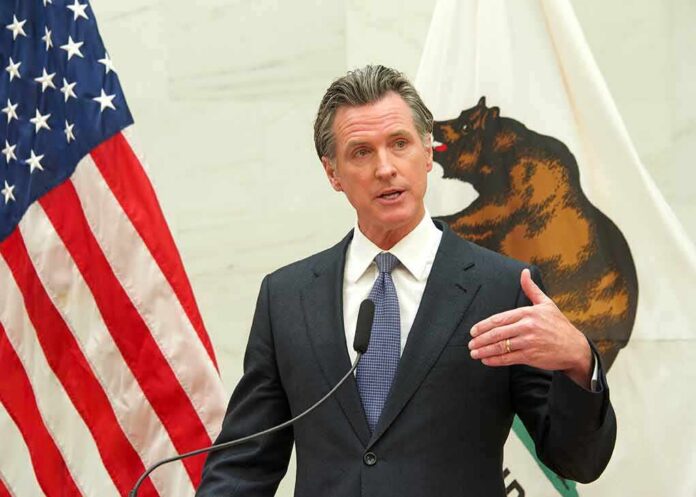
California Governor Gavin Newsom is now tying the billionaire tax debate to a broader national pitch. He called for a national tax on the ultra-wealthy while California continues moving its own proposal toward the ballot. That gives the fight a larger political meaning than a simple state tax dispute. It also turns California into a testing ground for a message built around inequality, fiscal strain, and anger at people who can move their money faster than most families can move houses.
The proposal itself is plain in its design. The California Department of Justice text says the act would impose an excise tax on 2026 wealth accumulation and set the rate at 5 percent of net worth. Other summaries say the tax would apply to residents, trusts, and billionaire taxpayers with net worth above $1 billion, with some versions describing phased payment over five years. Supporters frame that structure as a direct way to make the state’s richest people carry more of the burden.
What the Money Is Supposed to Pay For
Supporters say the tax is meant to protect services that many Californians already feel are under pressure. The initiative text says the money would support high-quality health care, kindergarten through grade fourteen public education, and food assistance programs. Other reporting says the backers want to offset losses and cuts hitting health and social services. That message has appeal across party lines, because it speaks to people who feel basic public systems are getting squeezed while the wealthiest households keep pulling ahead.
The politics also stretch beyond California. Newsom’s national tax talk shows how state fights can become national campaign material fast. A proposal that starts as a California ballot measure can become a template for other states, and then for federal rhetoric about fairness, taxes, and the power of billionaires. That is why the debate has landed so hard. It is not only about one state’s budget. It is about whether government can still tax concentrated wealth without pushing it somewhere else.
Why Critics Say the Tax Could Backfire
Critics have a concrete argument: the tax may raise a burst of money, then lose ground as wealthy residents leave or rearrange their holdings. The Legislative Analyst’s Office analysis says billionaires living in California on January 1, 2026 would owe the tax, which creates a clear residency cutoff. The Hoover Institution says the measure could cost the state money rather than raise it. Those warnings matter because they go straight to the hardest question in tax policy: what happens after the first wave of checks clears?
California Democrats just defied Gavin Newsom to endorse a billionaire wealth tax.
The fight previews a national battle in which centrists push “pragmatic” alternatives that would barely make a dent in ultra-elites’ wealth or power. https://t.co/wGkIxpJ30O
— Jacobin (@jacobin) August 12, 2026
Reporting around the measure also points to real exit behavior among the wealthy. Coverage has described high-profile departures and moves to places like Miami, along with warnings that wealthy individuals worth a combined $1 trillion could relocate. That does not prove the tax caused every move, and the supplied record does not include post-enactment data. But it does show why opponents keep using the same theme: if the people being taxed can leave early, the state may end up chasing money that was never going to stay still.
The Bigger Fight Is About Trust in Government
The deeper issue is not just whether billionaires should pay more. It is whether Californians trust government to spend new money well. Supporters argue the tax would protect health care and schools for ordinary people. Opponents argue lawmakers will spend the money, then face a weaker tax base if investment and residents leave. That clash reflects a wider national mood. Many voters on both left and right think public institutions are failing them, while elites and political donors keep shaping the rules around their own advantage.
The debate also shows how both sides use the same facts to tell very different stories. Supporters see a fair tax on extreme wealth that could rescue public services. Critics see a policy built on hard-to-value assets, residency rules, and incentives to move wealth out of reach. For voters, the practical question is simple: does California want to try to tax the richest few once, or risk teaching them how to leave before the bill comes due?
Sources:
nypost.com, pbs.org, politico.com, theguardian.com, calmatters.org, wsj.com, foley.com, cnbc.com, yeson40.com, itep.org, oag.ca.gov, hoover.org
© newsworthy.news 2026. All rights reserved.