The Pentagon named a fourth fallen American from the Iran-linked attacks, a 28-year-old New Yorker, as U.S. forces answered with new strikes.
Story Highlights
- Pentagon identified another U.S. service member killed in the Iran conflict, adding to March casualty rolls.
- Officials tied multiple deaths to a drone strike on a U.S. site in Port Shuaiba, Kuwait.
- Names, ages, and hometowns were released after next-of-kin notification, following standard practice.
- Conflicting early reports across Kuwait, Jordan, and Iraq created confusion about which attack each death followed.
Pentagon Identification Adds Another Name to Wartime Toll
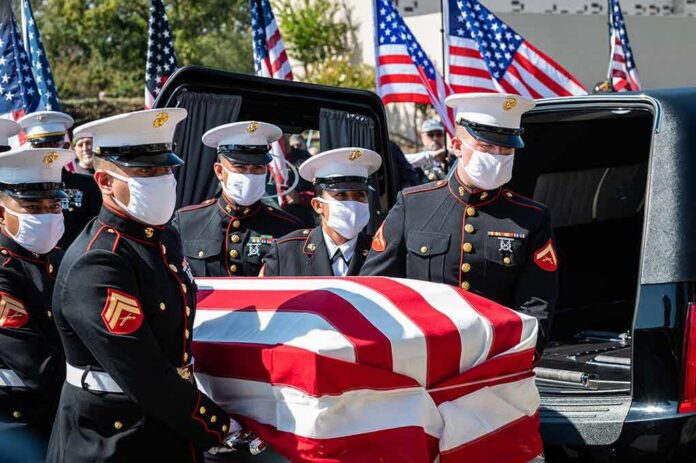
Defense officials identified another U.S. soldier killed amid Iran-linked attacks, extending the public list released in early March. Reuters and National Public Radio reported that the Pentagon named four service members tied to the same campaign, including casualties from a drone strike in Kuwait, as part of a rolling disclosure as families were notified. The identification process followed standard steps: confirm identity, notify next of kin, and then release names and hometowns to the public through official channels and press partners.
Published reports said the deaths were tied to an unmanned aircraft strike at Port Shuaiba, Kuwait, during the initial wave against Iran-linked targets. Outlets that track the military closely, including Military Times, described the same strike mechanism and location when listing those killed, which supports the link between the names and the specific incident. Reuters later added that two further soldiers were identified from the same war period, reinforcing that more than one loss stemmed from the Kuwait attack.
Where Reporting Aligns—and Where It Does Not
Major outlets independently published the same Pentagon-identified names and timelines, which strengthens confidence in the core facts. The Washington Post, Military Times, National Public Radio, and Reuters each cited Defense Department releases that listed the fallen and placed the incident within the first days of March. This cross-outlet match suggests a consistent official record, even as some stories varied in phrasing about the trigger events and locations across the theater.
Early coverage also showed gaps that often appear in fast-moving war news. Some reports referenced related deaths in Jordan or Iraq in the same window, which can blur which casualty belongs to which strike when viewed later as a single thread. A few items showed name spellings or text glitches. That kind of error is common when outlets move quickly off pooled information, but it argues for caution until the Pentagon’s written releases are reviewed in full context.
How Casualty Information Reaches the Public
Casualty accounting usually unfolds in layers. The military first confirms identity and notifies family. Only after that step do public affairs offices name the fallen. Reporters then echo those names and basic details like age and hometown. Reuters and The Hill described that chain by listing who was identified, where they served, and where they came from, signaling an official confirmation process rather than anonymous claims. This rhythm can make the public record look slow or fragmented, but it aims to protect families and ensure accuracy.
This case fits that pattern. Outlets documented the Kuwait drone strike as the cause for several deaths, and then cited Defense Department naming of individual service members days later. When officials announced the fourth name in the same campaign, it reflected both the pace of next-of-kin notifications and the need to verify each record before release. That sequencing can create a window where people see “believed to be killed” language, which then resolves into a formal identification once the process is complete.
Why This Matters Across the Political Spectrum
Americans across parties want clear facts when troops are killed. Many feel shut out by confusing updates, changing counts, and mixed headlines. This story shows both sides of the system. On one hand, multiple outlets confirmed the same Pentagon names and tied them to a specific strike, which signals transparency. On the other hand, early mix-ups across Kuwait, Jordan, and Iraq made it harder to follow which death matched which attack, which feeds public doubt about government clarity.
Sgt. Angel S. Rampersad, 28, from Ozone Park, New York, was identified by the Pentagon as believed killed in action on July 17, 2026, during an Iranian attack at Muwaffaq Salti Air Base in Jordan, where he was assigned to the 10th Army Air & Missile Defense Command; he was… pic.twitter.com/9dHE5tvVAs
— AirVector (@airpower33) July 22, 2026
The lesson is simple but urgent. People deserve fast, plain updates that line up across agencies and outlets. Clear language about location, date, and cause helps families, communities, and the country understand the cost of war. In this case, the Defense Department’s identifications, echoed by major newsrooms, give a stable record of who was lost and where. Continued precision can respect the fallen, inform citizens, and reduce the space where confusion and rumors grow.
Sources:
nypost.com, youtube.com, washingtonpost.com, thehill.com, cbsnews.com
© newsworthy.news 2026. All rights reserved.