Trump’s upcoming summit with Muslim leaders at the UN threatens to reshape US foreign policy and challenge leftist global institutions—potentially undoing years of woke-driven international agendas.
Story Snapshot
- President Trump to meet leaders from eight key Muslim-majority countries at the UN General Assembly, focusing on the Israel-Gaza war.
- Trump’s speech will critique globalist institutions and recent Western moves to recognize Palestinian statehood.
- Arab leaders seek US pressure on Israel to halt West Bank annexation and propose post-war stabilization plans for Gaza.
- Outcomes could impact US-Arab relations, the Abraham Accords, and the broader trajectory of Middle East peace efforts.
Trump’s Diplomatic Strategy: Reasserting American Priorities
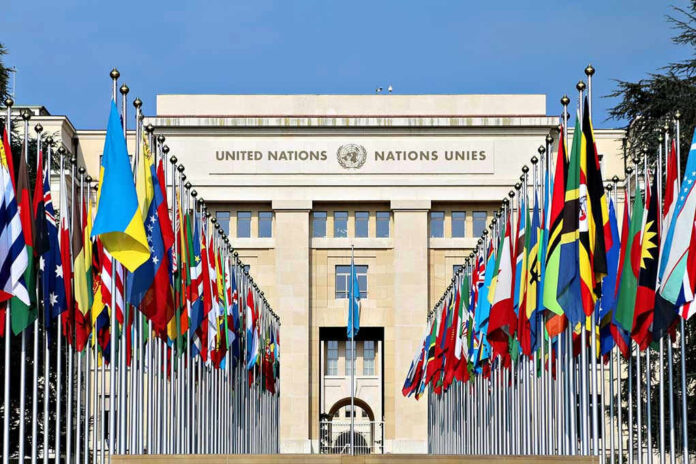
President Donald Trump is set to hold a pivotal multilateral meeting with leaders from Türkiye, Qatar, Saudi Arabia, Indonesia, Pakistan, Egypt, the United Arab Emirates, and Jordan on the sidelines of the 80th UN General Assembly in New York. The agenda centers on the ongoing Gaza war and broader Middle East stability, with Trump determined to reassert US leadership and counter recent Western recognitions of Palestinian statehood. This marks the first major engagement between Trump and Muslim leaders in his second term, signaling a clear departure from prior leftist globalist policies and a return to “America First” diplomacy prioritizing national interests and constitutional values.
Trump’s scheduled speech at the UN will deliver sharp criticism of global institutions, challenging the legitimacy of Western allies’ moves to recognize Palestine. The administration, represented by White House spokesperson Karoline Leavitt, has emphasized a “renewal of American strength” and a readiness to confront international bodies perceived as undermining US sovereignty and traditional values. Arab leaders, meanwhile, are expected to press for a post-war plan for Gaza, with proposals on the table for Arab troop involvement and stabilization efforts. The outcome of these discussions could reshape the region’s diplomatic landscape and signal a new direction for US foreign policy.
Global Tensions: Western Recognition of Palestine and Israeli Annexation Threats
Recent events have intensified diplomatic tensions: the UK, Canada, Australia, and France have formally recognized Palestinian statehood, prompting Israel to threaten annexation of parts of the West Bank. Arab states remain united in opposition to these Israeli moves, warning that continued annexation could collapse the Abraham Accords—historic agreements brokered by the US to normalize relations between Israel and several Arab countries. The UN General Assembly convenes amid this backdrop, with humanitarian crises in Gaza escalating and previous peace initiatives faltering. Trump’s administration faces the challenge of balancing support for Israel with calls from Arab leaders to mediate and prevent further conflict, all while navigating strained relations with Western allies.
The diplomatic stakes are high, as the US must assert its interests without succumbing to globalist pressures that have previously eroded constitutional protections and undermined conservative principles. Arab leaders are expected to leverage the US’s influence to halt unilateral Israeli actions and push for a ceasefire, while Israel seeks unwavering American support as it faces growing international isolation. The meeting’s outcomes could significantly affect US-Arab relations and the stability of the Abraham Accords, with long-term implications for regional peace and the integrity of US foreign policy.
Impact on US Interests, Conservative Values, and Future Policy
Short-term, Trump’s summit could initiate new diplomatic efforts to address the Gaza crisis, increase pressure on Israel, and offer stabilization plans with Arab participation. Long-term, the viability of the Abraham Accords and the direction of US policy in the Middle East hang in the balance—especially if Israeli annexation proceeds or if Western recognition of Palestine encourages further division. Humanitarian conditions in Gaza remain dire, with economic and political consequences for all parties involved. For conservative Americans, the summit represents an opportunity to restore common-sense foreign policy, defend constitutional principles, and reject leftist globalist agendas that have dominated previous administrations. Trump’s approach aligns with values of limited government, national sovereignty, and strong defense of allies, aiming to counter policies seen as undermining American strength and tradition.
#WorldNews: U.S. President #Trump will meet leaders of key #Muslim countries while attending the #UN General Assembly, amid heavy focus at the forum on Israel's war in Gaza, the White House said Monday.https://t.co/o2qjOdrjei
— LBCI Lebanon English (@LBCI_News_EN) September 22, 2025
Expert commentary underscores the significance of Trump’s “America First” stance and skepticism of multilateralism, with industry analysts and Middle East specialists noting the potential for Arab troop deployments and post-war stabilization in Gaza. Diverse viewpoints persist: Western governments argue that recognizing Palestine advances peace, while Trump and Israel warn that it rewards extremism. The summit’s diplomatic outcomes will influence not only the region’s future but also the standing of conservative values on the world stage, as the US seeks to navigate complex alliances and defend its constitutional interests against global overreach.
Sources:
Trump to meet leaders of Muslim nations at UN: White House | Daily Sabah
Trump, Israel, Gaza, and Arab summit at United Nations | Axios
Trump to meet leaders of key Muslim countries at UN General Assembly | Arab News