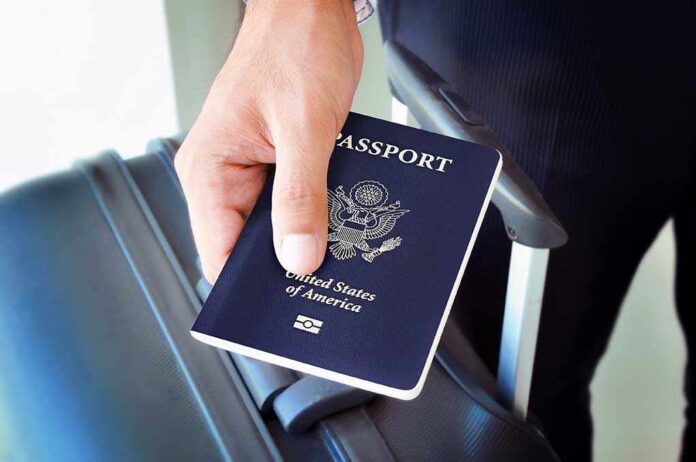
America’s frequent travelers now face a new layer of European bureaucracy: biometric collection and digital tracking, raising real questions about privacy and government overreach.
Story Snapshot
- Europe abolishes manual passport stamps, mandating biometric data for all U.S. visitors starting October 12, 2025.
- New Entry/Exit System (EES) will digitally log every entry and exit by non-EU nationals, including Americans.
- Biometric collection (fingerprints, facial images) at the border raises civil liberties and privacy concerns.
- Experts warn of delays, technical glitches, and increased government tracking under the guise of border security.
EU’s Automated Entry/Exit System: A Major Change for U.S. Travelers
The European Union will roll out its new Entry/Exit System (EES) beginning October 12, 2025, fundamentally changing how U.S. citizens enter and leave the Schengen Area. The EES replaces the familiar passport stamp with a digital registration, requiring every American tourist or business traveler to provide fingerprints and a facial image at border checkpoints. This marks the first major shift in European border control procedures in decades and will impact millions of Americans accustomed to hassle-free travel.
The U.S. State Department has issued advisories urging travelers to be prepared for possible delays and extra processing time during the transition. Between October 2025 and April 2026, the EES will be phased in at airports, seaports, and land borders across the 29 Schengen countries. The system does not apply to U.S. citizens residing in the EU or traveling to Ireland and Cyprus, which remain outside the Schengen zone. Once fully operational, manual passport stamping will be abolished entirely.
Why Is Europe Making This Move? Security, Overstays, and the Push for Digital Borders
EU officials argue the EES is necessary to modernize border management, enhance security, and better track visa overstays. The system logs every entry and exit of non-EU nationals, helping authorities monitor compliance with the 90-days-in-180 rule. Supporters say the EES will help prevent illegal immigration and identity fraud by ensuring accurate records and biometric verification for every visitor. This follows a global trend: the U.S. already uses ESTA and similar automated checks, and other countries are adopting biometric passports and digital systems. However, Europe’s new approach is one of the most sweeping yet, with significant implications for Americans who value privacy and limited government intervention.
Technical preparations for EES have been underway for years, with repeated delays due to COVID-19 and system challenges. Now, with the launch confirmed, border staff are being trained and information campaigns are running across the continent. Airlines and travel companies must also adjust their check-in procedures to inform and assist passengers affected by the changes.
Civil Liberties and Practical Concerns: Privacy, Delays, and Data Security
While EU authorities insist that the EES will streamline border crossings in the long run, privacy advocates and travel industry experts have voiced serious concerns. Collecting fingerprints and facial images for every American traveler raises questions about data retention, potential misuse, and government surveillance. Many conservative observers see this as another example of expanding bureaucratic control at the expense of individual rights and freedoms. The EU claims compliance with strict data protection rules, but travelers have little recourse if their biometric data is mishandled or breached.
In the short term, experts expect longer wait times and confusion at border checkpoints as officials and travelers adjust to the new process. The travel industry warns of possible congestion, especially during peak travel seasons. For U.S. families and businesspeople, this is a stark reminder that international travel can quickly become entangled in technology and red tape—often in the name of security, but at the expense of privacy and efficiency.
US travelers going to Europe will face new automated checks and digital biodata collection on entry and exithttps://t.co/nD0u5KHB4A
— Insider Paper (@TheInsiderPaper) September 22, 2025
What Comes Next: The End of Passport Stamps and the Future of Travel
By April 10, 2026, manual passport stamping will be history for all non-EU travelers to Schengen countries. The EES will be fully operational, tracking every movement in and out of the region. While the EU promises long-term benefits like reduced fraud and more efficient travel, Americans must now prepare for extra scrutiny and the loss of travel anonymity. This development underscores a broader global shift toward digital identity management and biometric surveillance—raising fundamental questions about the balance between security and liberty. As the U.S. government continues to advise its citizens, the experience of traveling to Europe now comes with new risks and responsibilities that all conservative travelers should weigh carefully.
Sources:
visasnews.com (EU EES launch details)
CERN official news (Schengen/EES context)
Dutch government (EES implementation details)
UK government (EES requirements for UK travelers)
European Commission (EES policy background)