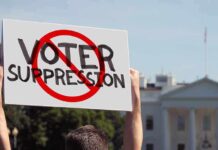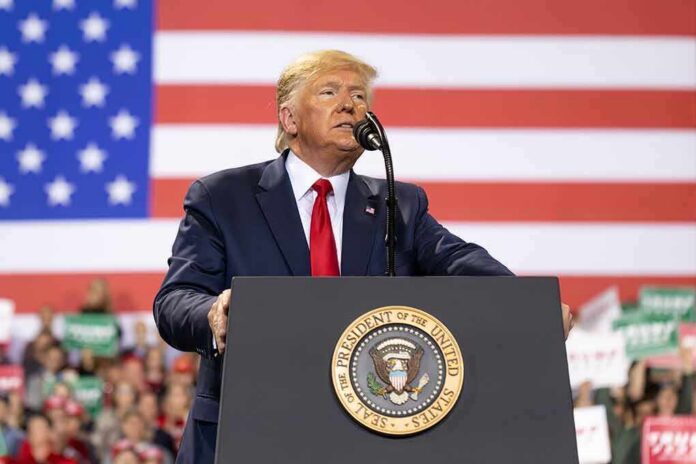
President Trump said the United States “wouldn’t exist” if he had lost, turning a campaign slogan into governing policy stakes backed by a push for new election laws.
Story Highlights
- Trump repeated that America would be “finished” without his win, tying it to border and election fears.
- He urged Congress to pass the SAVE America Act to tighten voter rules and restore trust.
- Critics call the language habitual hyperbole and dispute his evidence on election risks.
- The clash reflects a wider trust crisis in U.S. elections, not just one party’s spin.
Trump’s Survival Claim And What He Says Is At Stake
President Trump has told supporters that the country would not have survived if he had lost. He tied this to two threats: illegal border crossings and weak election systems. He said Democrats let “millions” cross, and that a loss would have “finished” the country. The phrasing shifts across events, but the core warning stays the same. He also links his own survival story to a mission to save the nation, urging people to see the fight as urgent.
Trump placed election rules at the center of this warning. In a primetime address, he said the system is “so broken” it cannot be defended. He then urged Congress to pass the SAVE America Act. He framed this as the way to restore faith in voting and prevent future disputes. Supporters argue tighter rules would cut fraud and calm a bitter debate. The White House has elevated the bill as a top priority.
What The SAVE America Act Would Do And Why It Divides
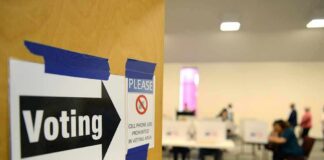
The SAVE America Act would require proof of citizenship to register and voter identification at the polls. It would restrict mail voting rules that critics say are too loose. Backers say these steps match common sense and global norms. They argue clear rules protect legal votes and deter bad actors. Opponents warn the bill could block eligible voters, especially seniors, students, and poor citizens who face hurdles getting documents.
Major news outlets and advocacy groups have challenged Trump’s case for sweeping change. Fact checks and expert reviews say broad fraud claims in recent elections are not backed by strong evidence. They point to court outcomes and expert panels that rejected widespread fraud narratives while noting other real flaws like gerrymandering and money in politics. This critique does not deny all problems. It says the scale of fraud described by Trump is not proven by available data.
Why The Rhetoric Resonates Across A Distrustful Public
Supporters on the right hear Trump’s claim and see a system that failed them on borders, prices, and safety. Supporters on the left hear it and worry about harsh policing, fewer social supports, and shrinking rights. Both camps share a deeper fear: powerful insiders protect their own power. That fear makes any talk of a “broken” system land hard, even when experts dispute the facts behind it.
Election experts warn that “vote or we lose the country” talk has long-term costs. It can push lawmakers to rush big rule changes without broad buy-in. It can also sour trust among voters who already feel shut out. The research record after 2020 found little proof of large fraud, yet also showed falling public faith in the process. That mix fuels a cycle where each side expects the worst and prepares for it.
What To Watch Next In Congress And Beyond
Congress now faces a stark choice: pass tighter rules to answer one set of fears, or slow down to avoid blocking eligible voters. The House passed key pieces earlier, but the Senate fight remains tough. The White House says the SAVE America Act is essential. Critics demand targeted fixes, better audits, and more transparency instead of broad limits. However this ends, restoring shared trust will likely take steady steps, plain rules, and clear proof.
Sources:
youtube.com, economictimes.indiatimes.com, cnn.com, usatoday.com, govinfo.gov, aljazeera.com, music.amazon.com, latimes.com
© newsworthy.news 2026. All rights reserved.