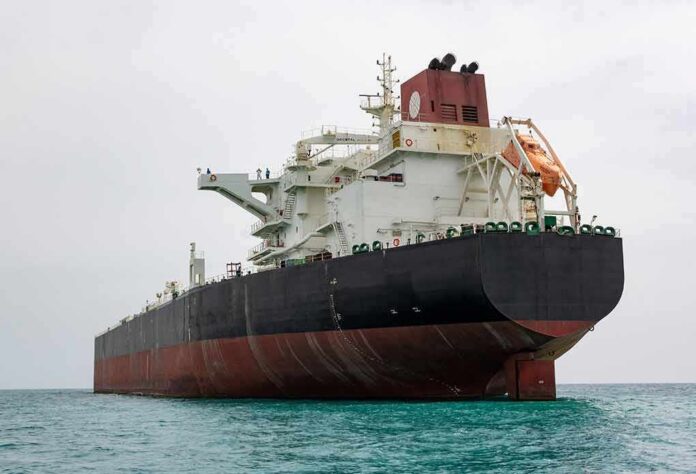
Six commercial ships have been hijacked since April as Somali pirates seized another tanker off Yemen, threatening vital oil lanes and global trade.
Story Snapshot
- Armed pirates hijacked an oil products tanker east of Yemen and steered it toward Somalia.
- This marks the sixth commercial vessel seized since April across the region, signaling a real surge.
- Analysts link the spike to diverted naval patrols and higher oil prices that raise rewards for pirates.
- Security groups warn the threat is back, though still below the 2009–2011 peak.
What Happened Off Yemen’s Coast
On August 22, a Somali maritime security official said six armed pirates hijacked an oil products tanker about 136 nautical miles east of al-Mukalla, Yemen, then took it toward Somalia’s Puntland coast. The report described the attack as part of a months-long pattern. Shipping sources and regional monitors have tracked similar incidents since spring. The location sits on one of the world’s busiest energy routes. Tankers moving through this corridor connect Gulf producers to markets worldwide.
Associated Press reported this latest hijacking as the sixth commercial vessel seized since April across the Gulf of Aden and the western Indian Ocean. That tally shows a clear swing from the quiet years that followed intense international patrols. The New York Times also described two hijackings within four days in August, underscoring the pace of events. Each seizure risks crews, raises costs for ship owners, and can ripple into higher prices on fuel and goods for consumers.
Why Piracy Is Surging Again
Researchers point to several drivers. Experts cited by Reuters say weak economic conditions in Somalia and rich targets at sea allow piracy to re-emerge when pressure drops. Analysts also say the shift of naval assets to other crises, including the Red Sea and Strait of Hormuz, created gaps pirates can exploit. Higher oil prices make tankers more tempting, lifting the potential ransom or cargo value. Together, these pressures reward fast, low-cost raids by small pirate teams.
Formal incident trackers show the change from a low baseline. The International Maritime Bureau reported one hijacking off Somalia in the first quarter of 2026, with another attempted attack, indicating rising risk after years of decline. Private maritime security firms have logged more events through midyear. Their alerts urge ships to harden defenses, keep distance from the Somali coast, and follow convoy and reporting rules. This layered approach helped beat back the last piracy wave.
How This Hits Shippers, Prices, and People
Ship owners now face higher insurance, rerouting costs, and security fees. Crews face the worst danger. Captured sailors can be held for weeks or months while talks play out. In July, industry reporting put dozens of seafarers in captivity across several vessels, a reminder that people, not just cargo, pay the price. Some carriers may detour around the highest-risk zones. Those miles add fuel use and time. Costs often pass to buyers down the line.
Turkey carried out an airstrike off the coast of Eyl in Puntland's Nugaal region, northern Somalia, killing four people.
The strike came in response to the recent hijacking of the Turkish military cargo vessel LUTOF by Puntland-based pirate groups. Turkey used aircraft based at…
— The Crusader – 100% English Colonizer (@CrusadeAgain) August 22, 2026
Americans feel this when energy markets jump and shipping delays stack up. Families already squeezed by inflation do not need new shocks from preventable breakdowns at sea. Many readers on the left and right see the same pattern: far-off crises collide with thin planning and slow coordination. Governments pledge security, but gaps open when attention shifts. When patrols and diplomacy lag, criminals step in. The result is higher bills and more risk for working people while the powerful stay buffered.
What To Watch Next
Maritime agencies will track whether hijackings keep rising into the fall. A quick, coordinated push by regional navies and partners could cut the trend. Past success came from armed escorts, armed guards on ships, and pressure on pirate bases. Clear lanes for reporting and rescue also matter. If security stays thin, pirates may hold more ships longer to increase ransoms. That would deepen the hit to trade and push up costs for energy and goods worldwide.
Sources:
thegatewaypundit.com, apnews.com, nytimes.com, cursorio.com, castorvali.com, tandfonline.com
© newsworthy.news 2026. All rights reserved.