When the Pentagon locks down over “hazardous materials” and then quietly calls it a false alarm, it feeds the growing belief that the people running the system tell the public as little as possible.
Story Snapshot
- Parts of the Pentagon were locked down after sensors flagged an air quality problem, triggering a hazmat response and shelter-in-place orders.
- Officials now say follow-up testing found no hazard, but they have not shared what the systems actually detected before calling it a false alarm.
- Fire crews in full protective gear and evacuations across several floors made this far more than a routine drill, raising questions about transparency.
- The incident highlights a deeper issue: powerful agencies expect trust while keeping key safety and accountability data behind closed doors.
What Happened Inside the Pentagon
On Thursday morning, Pentagon safety systems flagged an “air quality issue” inside the building, according to chief spokesman Sean Parnell. He said the Pentagon has “sophisticated systems” to protect workers and that those systems triggered “precautionary measures until we determine its significance.” That meant an immediate partial shelter-in-place order covering corridors four through seven on floors two through five, with staff told to stay in their offices while tests were done.
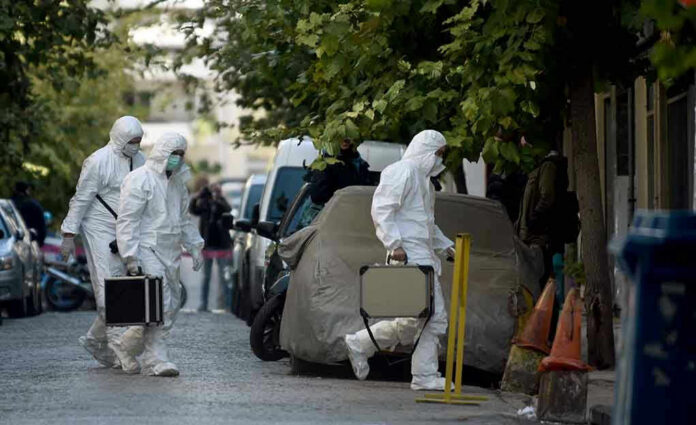
The Pentagon Force Protection Agency’s hazardous materials team took the lead on the response, backed by Arlington County Fire and Emergency Medical Services hazardous materials specialists. The local fire department said its hazardous materials team was “operating at the Pentagon” to assist during what it publicly called a “hazardous materials incident.” Emergency crews arrived in full protective gear, including gas masks, based on internal alerts that something in the air might be unsafe. For hours, people on affected floors could not leave, and others were told to avoid those areas.
From Hazmat Scare to “False Alarm”
As cameras showed hazmat trucks outside and workers stuck inside, Pentagon officials stressed that this was a precautionary move, not proof of a confirmed toxin. Parnell said the department was using “standard protection protocols,” including the shelter-in-place order, while tests were underway. Later reports, including network coverage and social posts citing Pentagon sources, said follow-up testing showed no hazardous substance and described the event as a false alarm.[1][4][5]
According to CBS and other outlets, additional testing “confirmed no hazard existed,” and normal operations resumed after several hours.[1] Yet none of the public statements explain what the sensors saw in the first place—only that they detected an air quality problem serious enough to lock down multiple floors.[1] There is no released data on which sensors triggered, what thresholds were crossed, or how officials concluded the air was safe again. That gap between visible urgency and thin explanation is exactly what fuels mistrust across the political spectrum.
Why This Feeds Deep State Frustration
For many Americans, the picture is familiar: powerful agencies demand patience, issue vague language, and then move on without showing their work. The Pentagon and local responders clearly took the alert seriously, deploying hazardous materials teams, sealing off large sections of one of the world’s most secure buildings, and putting officers in gas masks. Yet the public record still does not include the incident logs, the sensor data, or a detailed after-action report. People are left to choose between “trust us” and wild guesses.
BREAKING NEWS: CNN reports that the hazardous materials incident and subsequent lockdown at the Pentagon were caused by a false alarm triggered by a faulty internal air sensor. @PentagonPresSec @ArlingtonVAFire @CNN #BreakingNews #Pentagon #SecurityUpdate pic.twitter.com/NFWCYVsaKm
— X-K (@ConflictRadarME) June 11, 2026
Both conservatives and liberals have reasons to bristle at this pattern. Many on the right already distrust a “deep state” they see as bloated, secretive, and unaccountable, while many on the left see the same institutions as too cozy with defense contractors and too slow to protect ordinary workers from health risks. Veterans know all too well what happens when early air safety warnings are brushed aside; long fights over burn pit exposures and toxic bases showed how slow government can be to admit harm. When officials now say “no hazard” but keep the data locked up, it lands on top of that long, bitter history.
The Bigger Question: Who Gets the Full Story?
This Pentagon scare also sits inside a wider national problem: millions of Americans live with dirty air every day, far from high-tech monitors and hazmat teams. The American Lung Association reports that more than four in ten people in the United States live in counties with unhealthy air pollution levels. Yet when alarms go off in elite federal buildings, an army of responders appears in minutes, and detailed testing starts right away. Ordinary families rarely get that level of concern or clarity about what they are breathing.
To many people on both sides of the aisle, this looks like one more example of a system that protects itself first and explains itself last. The Pentagon may be right that this was only a false alarm, and safety systems should err on the side of caution.[2] But if leaders want the country to trust those systems, they will have to do more than issue short, carefully worded statements after the fact. Releasing real data, timelines, and findings—not just calming phrases—would be a small but important step toward rebuilding faith in institutions that feel more distant from everyday Americans with each new “incident.”
Sources:
[1] Web – Pentagon “hazardous materials incident” prompts partial lockdown, …
[2] Web – Hazmat crews respond to ‘hazardous materials incident’ at the Pentagon
[4] Web – Pentagon locked down after hazardous materials incident
[5] Web – Hazardous Materials Incident Prompts Pentagon Lockdown, Officials Say
© newsworthy.news 2026. All rights reserved.