
More than 836,000 American homes and businesses lost power on Thanksgiving as a fierce storm flooded streets, grounded flights, and even postponed the Macy’s parade for the first time.
Story Highlights
- Over 836,000 utility customers lost power at the peak as wind and rain hit multiple states.
- Heavy rain, coastal flooding, and strong winds battered the East Coast and disrupted travel.
- Macy’s Thanksgiving Day Parade was postponed due to safety concerns tied to the storm.
- Wind gusts up to 70 miles per hour toppled trees and power lines, causing outages.
Power Outages Surge As Winds Knock Down Lines
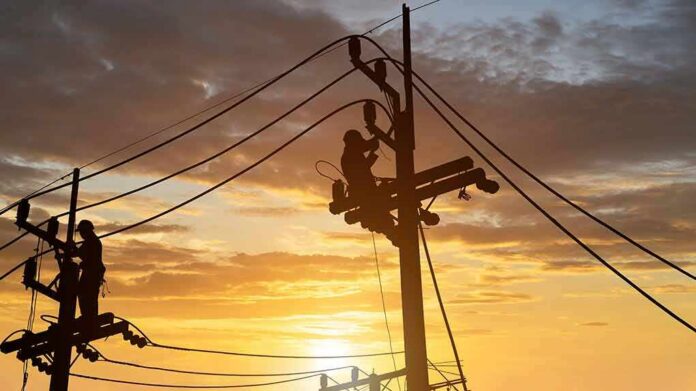
Reuters reported that more than 836,000 customers were without power at about 4:06 p.m. Eastern Time, with the largest totals in Virginia, Maryland, and Pennsylvania. Reporters linked the spike to strong wind gusts that pushed trees onto lines and damaged equipment. The New York Times described widespread rain and wind along the East Coast that cut power to more than half a million customers from North Carolina to New Jersey. Utilities worked through the day, but many families spent the holiday without light or heat.
Wind gusts reached up to 70 miles per hour in some areas, a speed that can break limbs and drop full trees. Local forecasts said coastal gusts in the 60 to 70 range could bring down branches and trigger scattered outages, which matched what many people saw on the ground. Crews urged people to stay away from downed wires. First responders warned drivers to treat broken traffic lights like stop signs and to avoid flooded roads.
East Coast Flooding And Travel Chaos Hit Holiday Plans
The New York Times reported torrential rain and strong winds from the Carolinas through the Mid-Atlantic and into New Jersey, with coastal flooding in low-lying spots and near bays and inlets. Airlines canceled flights and posted more than a thousand delays during peak travel hours, snarling holiday trips for many families. Reuters said airports along the East Coast were hit with the worst disruptions as crews battled wind and rain on runways and ramps. Rail and road travel also slowed.
States saw very different impacts. Reporters noted outages in Missouri and Illinois as the storm’s cold side brought heavy snow and ice to parts of the Midwest. That mix of rain, wind, and snow stretched emergency resources from coastal towns to inland cities. Plow crews, utility teams, and local officials focused on clearing roads, restoring power, and checking on older residents. The wide footprint made mutual aid harder, since many regions needed help at the same time.
Macy’s Parade Postponed Amid Safety Warnings
Officials postponed the Macy’s Thanksgiving Day Parade for the first time in its century-long history, citing wind, rain, and flooding threats in New York City. Parade balloons can become dangerous in high winds, so organizers prioritized safety for marchers and spectators. Local television coverage tracked city warnings ahead of the decision and advised residents to prepare for damaging gusts and street flooding. The move underscored how severe weather can disrupt even long-running national traditions on short notice.
A massive Thanksgiving storm US 2026 has triggered coastal flooding, 2,200+ flight delays, and nearly 1 million power outages. Read the 5 biggest impacts now.https://t.co/8Iu7pn0lmC
— Mehrab360 (@mehrab360x) November 27, 2026
City agencies urged New Yorkers to secure outdoor items, charge devices, and check on neighbors. Emergency managers reminded people that downed trees and flying debris are common when gusts reach the warning range described by forecasters. Event planners weighed those risks against the holiday crowd. They concluded that holding the parade in those conditions would put too many people at risk of injury. The decision likely prevented more chaos for police, medics, and cleanup crews already stretched by the storm.
Why Storm Numbers Spark Confusion And Concern
Reporters tied the 836,000 outage figure to a specific time and to data from a private outage tracker, which gives a fast snapshot but not a final count. That is common in major storms. Early data help people grasp the scale, but totals can rise or fall as utilities confirm causes and restore service. The broader record shows weather drives most major outages nationwide and has been rising in recent decades, which helps explain why holiday storms now have larger ripple effects.
The split between forecasts and observations also shapes how people judge risk. Local stations warned of 60 to 70 mile per hour gusts and flagged likely outages, while wire services documented the outages and damage that did occur. Those two kinds of information serve different needs. Forecasts help people prepare. Confirmed reports show what actually happened. This storm delivered both: warnings that prompted caution and real impacts that upended plans for hundreds of thousands of families.
What This Means For Households And Local Preparedness
Families faced classic hazards: live wires, dark intersections, and cold homes. Simple steps helped. People used flashlights instead of candles, kept phones charged, and checked on neighbors who needed powered medical devices. Local leaders often call for the same basics before big holiday storms: sign up for alerts, stock food and water, and know how to report outages. Those steps matter when crews juggle many repairs at once across towns and counties.
Communities will now review what worked and what fell short. Airports and transit agencies will tally delays. Utilities will study which lines failed and why trees came down where they did. City event teams will update wind rules for large balloons and street setups. These after-action reviews may feel routine, but they shape faster fixes next time. When storms collide with major holidays, small gains in readiness can spare many families a lost meal, a risky drive, or a long night without power.
Sources:
facebook.com, nytimes.com, newsobserver.com, lbc.co.uk, abc7ny.com, amp.dw.com
© newsworthy.news 2026. All rights reserved.