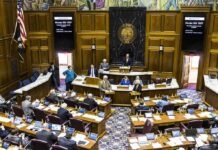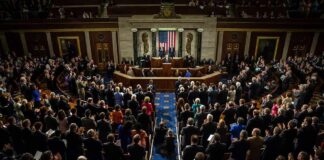


Republicans suffered historic midterm losses after two years of unified control, and now party figures are split over whether leaders failed to use their power as promised or followed a path that angered voters.
Story Snapshot
- Republicans lost control of Congress in 2026 despite holding the White House.
- Party voices blame weak follow-through on promises and poor candidate choices.
- Analysts highlight the midterm penalty and defections by Trump’s 2024 voters.
- Internal fights over strategy risk more losses in 2028, observers warn.
What Happened In The 2026 Midterms
Republicans entered 2026 with President Trump in the White House and control of both chambers. Voters then handed Democrats sweeping gains, flipping the House and Senate, including seats long considered safe for Republicans. Major outlets and party figures described the result as an “Armageddon” for the party, driven by a collapse of the coalition that powered the 2024 win. The losses shifted control of Congress, giving Democrats leverage to block key parts of Trump’s agenda going forward.
Reports point to high-profile defeats in places that rarely elect Democrats, including a Senate seat in Kansas. Analysts framed these outcomes as generational losses that underscored voter frustration with the party’s direction and its candidates. Republican leaders faced rapid pressure to reassess. Lawmakers and strategists debated whether the party governed too closely to President Trump’s preferences, or not closely enough to the promises many voters expected.
Claims From Within The Party Base
Pro-Trump critics argue Republican leaders and Trump-appointed officials failed to push hard for promised investigations, prosecutions, and policy changes. They say leaders avoided fights with Democrats and did not lock in Trump-era rules, wasting a rare period of full control. They warn that voters punished the party for this disconnect between rally energy and governing results, a gap some Republican operatives also acknowledged after the vote. These voices contend that caution looked like surrender, which fueled anger on the right.
Other Republicans counter that the core problem was the opposite: candidates too closely tied to Trump turned off swing voters. They argue that deference to Trump weakened the party in Congress and muddled its message to moderates. Post-election commentary described senior Republicans dodging blame while activists demanded a reset, highlighting a leadership vacuum and a fractured coalition. This split now defines the party’s struggle to chart a path before the next national cycle.
How The Midterm Penalty And Defections Mattered
Political history shows the president’s party often loses midterms. Between 1862 and 1990, it lost House seats in 32 of 33 contests, a pattern linked to fading coattails and a voter desire to rebalance power. Researchers say governing forces tough choices that anger parts of a coalition. That dynamic can depress turnout among irregular supporters and raise stakes for the opposition. These well-known forces set a hard headwind for Republicans in 2026.
New data suggest defections and no-shows among Trump’s 2024 voters made that headwind worse. One analysis found a sizable share of those voters skipped the midterms, while a smaller portion crossed over to Democrats. That shift, combined with concerns over prices and national conditions, helped sink several Republican campaigns. Together, these trends show how even a narrow enthusiasm drop on the right can swing close races in multiple states at once.
Why The Internal Fight Matters For 2028
Strategists warn the party now faces a hard choice: double down on confrontation to energize the base, or widen its appeal with a tighter policy focus and different messengers. Commentators say continuing the same approach risks more losses in 2028 if President Trump’s approval stays low and candidate quality issues persist. Others argue that failing to deliver visible wins on immigration, prices, and crime will keep core supporters home again, repeating this year’s pattern.
Both sides agree on one point: voters expect results, not excuses. Many Americans, left and right, see Washington as serving insiders first. When a party wins power but cannot show real gains on cost of living, border control, or public safety, trust collapses. The 2026 results reflect that fatigue. Whether Republicans choose sharper action on promised goals or recalibrate for broader appeal, the clock to rebuild a working majority is already running.
Sources:
youtube.com, brief.news, katv.com, us.cnn.com, detroitnews.com, reuters.com, wsj.com, newsroom.ap.org, rmb.reuters.com, thehill.com, edition.cnn.com
© newsworthy.news 2026. All rights reserved.