
Republicans are blaming a war-driven spike in fuel costs for midterm losses, but the data show a mix of war shocks, tariffs, and old inflation all hit voters’ wallets at once.
Story Snapshot
- Gas prices and inflation dominated voter worries and weighed on Republican candidates.
- Conservatives say the Iran war spiked energy costs and hurt household budgets.
- Heritage’s Kevin Roberts says the war aggravated, not caused, preexisting inflation.
- A GOP voice said cheaper gas and lower inflation could have flipped trends.
What sparked the blame game over prices and the war
Commentary from The American Conservative tied a sharp rise in gasoline to war fallout and disruptions near the Strait of Hormuz, arguing costs stayed above prewar levels and squeezed families. The same reporting said the average household paid a large extra fuel tab and linked those costs to broader inflation pressure. After disappointing midterms, coverage highlighted Vice President J.D. Vance’s post saying “the reason we lost is the war,” and noted President Trump’s acknowledgment that the war hurt the party.
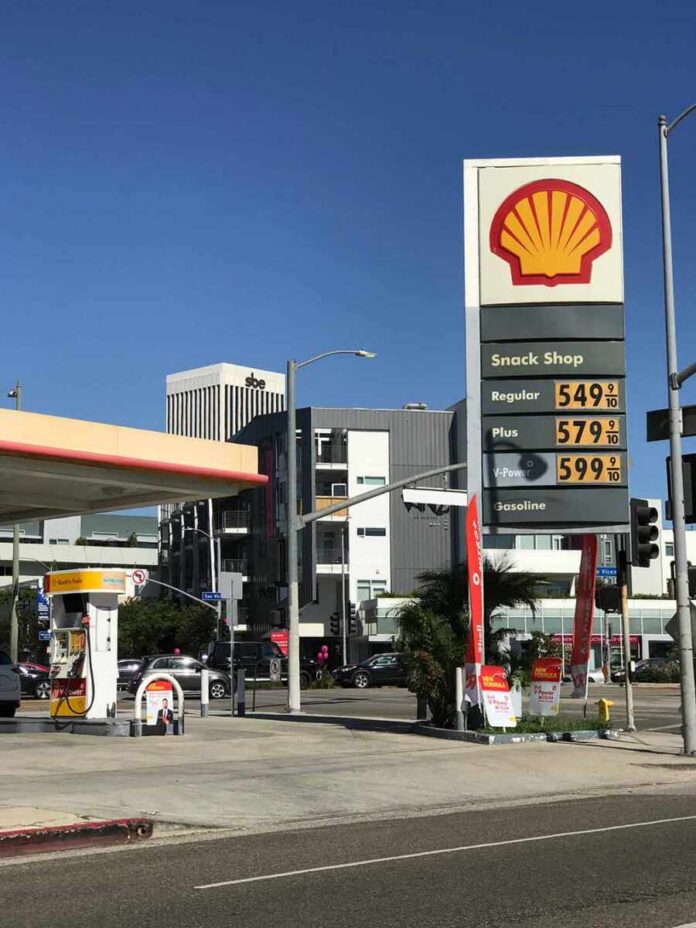
Polling summaries in that coverage said voters ranked cost of living, gas prices, and the Iran war among their top concerns, reinforcing why fuel costs became a political flash point. That track with long-run research showing gas prices can drag down presidential approval, even if the link is not perfect or constant across years. These points connect a visible pain point at the pump to broader anger about affordability, trust in leaders, and whether Washington listens.
What the counter-evidence says about causes of inflation
Heritage Foundation president Kevin Roberts told National Public Radio that the Iran war did not cause all economic problems, but made long-standing pressures worse by lifting energy costs. He said the Trump administration inherited high inflation, and some measures were improving just before the conflict. A Barron’s analysis also pointed to earlier drivers, including pandemic stimulus and low interest rates, and later pressures from tariffs, a weak labor market, and inequality alongside the war’s role.
Local and national commentary further noted gasoline had already surged during the post-COVID period and after Russia’s invasion of Ukraine, complicating simple stories about one event causing all of today’s pain. Academic and media reviews find gas prices influence approval, but only explain part of voter behavior, which can hinge on many factors at once. Together, these accounts support a narrower claim: the war aggravated inflation but did not solely create it.
How voter sentiment and party strategy collided
A Republican speaker in a New York Times video said cheaper gas, lower inflation, and better domestic conditions could have produced different midterm trends, signaling awareness that household costs were decisive. The same clip included a claim that President Trump’s personal crowds did not translate into votes for other Republicans, hinting at candidate-level gaps that messaging could not fix. These views suggest both policy outcomes and political branding shaped the results, not just the war itself.
For many voters, gas prices became a daily billboard of stress and a symbol of elite missteps. Conservatives over 40 see high energy costs as proof that global shocks and green mandates leave them paying more. Liberals over 40 see the squeeze as evidence that “America First,” tariffs, and corporate power reward the few. Both sides see leaders more focused on spin than solutions. Whether the shock came from a strait half a world away or from tariffs at home, families still paid the bill.
What to watch next on costs, conflict, and accountability
Evidence-backed answers require more than slogans. Independent audits of the household fuel-cost estimates, event studies of price moves around the war’s start, and agency breakdowns of inflation drivers would clarify the war’s share versus domestic policy. Lawmakers can lower risk by hardening supply chains, easing bottlenecks, and setting clear, credible rules that draw investment into reliable energy. Voters should demand plain metrics and timelines, not talking points, from both parties.
Sources:
theamericanconservative.com, fortune.com
© newsworthy.news 2026. All rights reserved.