
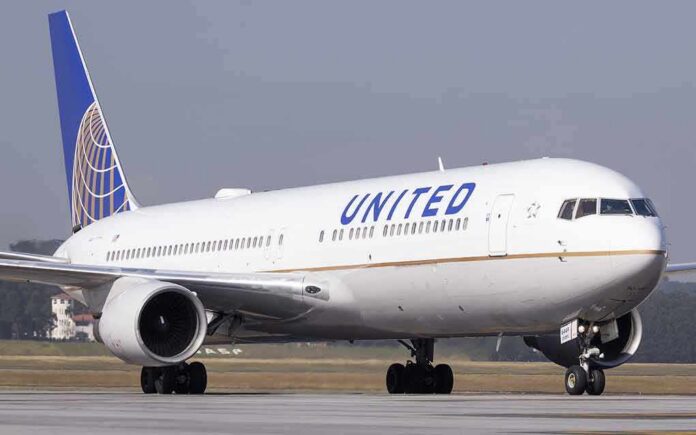
United Flight 2174 sent a hijack alert after a passenger claimed he had a bomb and tried to reach the cockpit, forcing a tense but safe landing in New Orleans.
Story Highlights
- Deputies arrested the suspect after landing; no device was found, officials said.
- Pilots sent a hijack alert as crew reported a bomb claim and cockpit approach.
- The suspect faces felony charges tied to a false threat and terrorizing.
- Airlines must treat all bomb threats as real, though most prove false.
What Authorities Say Happened Onboard
Jefferson Parish deputies said a 34-year-old passenger on United Flight 2174 told crew he had a bomb late Monday night. Crew reported the man acting erratically around 11:20 p.m. and trying to move toward the cockpit. Pilots sent a hijack alert and continued to New Orleans. The plane landed safely with 46 passengers and six crew members on board. Deputies arrested the suspect at the gate without incident and began a criminal probe.
United Airlines confirmed the flight from Newark to New Orleans landed safely and that law enforcement met the aircraft. News reports said the crew relayed a bomb claim and an attempted approach toward the cockpit, which triggered the alert. Officials did not report any injuries on board. Authorities booked the suspect on counts for communicating false information of planned arson and terrorizing under Louisiana law, reflecting the serious treatment of such threats.
Why This Triggered A Hijack Alert
Pilots and airlines train to act fast when a passenger claims to have a bomb or moves toward the cockpit. The industry treats low-frequency, high-consequence threats as real until checked, even though most turn out false. Recent guidance and reporting note that the vast majority of bomb threats prove to be hoaxes, but crews cannot assume that in the moment. That is why flight crews escalate, notify authorities, and secure the cabin and flight deck.
The event also fits a broader trend of unruly passenger behavior. The Federal Aviation Administration (FAA) reported 2,102 unruly-passenger incidents in 2024. Security materials also describe dozens of the most severe threat levels over the last decade, which include attempts to breach the cockpit. These numbers explain why crews treat any cockpit rush or threat as a grave risk to the flight and its people.
Security Measures And The Public’s Frustration
Airlines lock flight deck doors, drill on restraint, and coordinate with police at landing. These steps worked here. The crew contained the situation, the pilots signaled for help, and deputies made the arrest. Officials said the threat was false, but the alert and charges show how the system aims to deter hoaxes that can disrupt flights, scare families, and tie up safety teams that already face staffing and budget strains.
Honduran Illegal Alien Storms Cockpit of United Flight, Claims to Have a Bomb
How does this guy get past TSA and ID checks? With a deportation record like this, he can have the safest appearing carry-ons and luggage and still be considered a threat deserving extra attention.— Do better (@dean1941_d) November 11, 2026
Many Americans across the political spectrum see episodes like this as proof that the system often reacts after the fact rather than preventing risks. People want planes safe, laws enforced, and repeat offenders kept off flights. At the same time, they expect due process and clear communication. The balance is tough. Crews must assume the worst in the air. Authorities must then sort facts on the ground. That two-step approach protected this flight and kept everyone safe.
Sources:
en.royanews.tv, firstpost.com, timesnownews.com, kpel965.com
© newsworthy.news 2026. All rights reserved.