
Washington kept the Iran naval blockade in place and expanded interdictions on land routes, raising the stakes even as leaders talk down new strikes.
Story Snapshot
- The United States kept its naval blockade on Iran and launched Task Force Iron Gate to target land routes.
- Iran warned of severe retaliation but also offered a proposal tied to ending the blockade and releasing assets.
- President Trump called major escalation unlikely while his team argued pressure reduces the need for strikes.
- Scholars find sanctions bite early but often fail to force strategic change without clear off-ramps.
What Washington Did After The Midterms
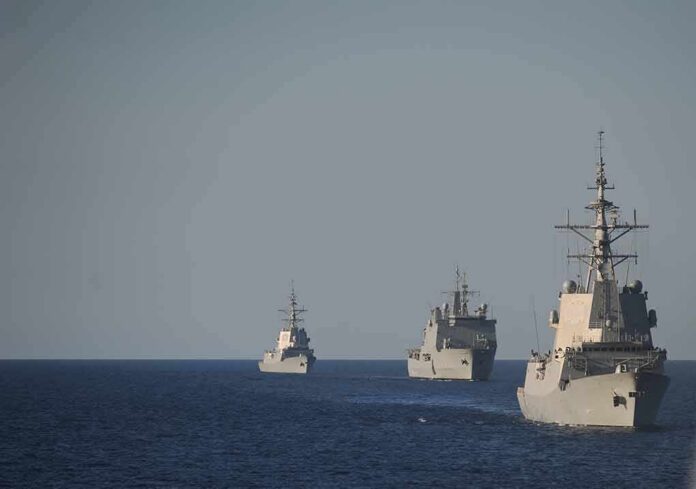
U.S. Central Command announced a new effort, Task Force Iron Gate, to disrupt Iranian overland trade and ground routes while the Navy kept blocking maritime shipments. Reports placed this expansion in the days after the midterms, when many expected a step-down in tensions. President Trump said a fresh round of large strikes was unlikely, yet the pressure track stayed in place. This mix of restraint talk and tougher enforcement set a confusing message for allies and markets.
Senior officials framed the blockade and sanctions as tools to avoid more war. Secretary of State Marco Rubio said the combined pressure was inflicting growing damage on Iran’s economy, cutting funds for armed groups, and reducing the need for major combat. Media reports echoed that the White House favored sustained pressure while sounding out diplomacy, rather than jumping back into large strikes. Supporters called the blockade an instrument to push Tehran toward a deal, not an end in itself.
How Tehran Responded And What It Wants
Iran’s foreign minister warned that renewed U.S. attacks would trigger fierce retaliation, saying forces would “rain down hell.” At the same time, Tehran floated a two-day proposal to pause hostilities and reopen key waterways if the United States ended the naval blockade and released frozen assets. This offer showed that Iran treats the blockade as a core issue, not just routine sanctions. The stark mix of threat and diplomacy raised the risk of miscalculation on both sides.
Analysts quoted by commentators argued that Iran retains the means and will to escalate if cornered. They warned that calling a blockade “pressure” does not change how Tehran may read it, especially when it blocks oil income and vital goods. Yet the public record still lacks proof that the pressure directly caused any specific attack or that Iranian leaders greenlit a plan to strike next. This gap leaves citizens judging risk from partial signals and official claims.
Why This Matters For Ordinary Americans
Economic coercion often hits hard early but fades as targets adapt. Research on Iran and other cases finds that the strongest effects of sanctions appear in the first phase, while long-run compliance becomes less likely without clear goals and off-ramps. If pressure stalls, leaders may feel tempted to double down. That cycle can drag the country toward a wider conflict, even when officials insist they seek restraint, and it can keep energy prices jumpy for families and businesses.
Trump Chooses a Third Path on Iran: Economic Strangulation Over War or Deal
* Axios
When Secretary of State Marco Rubio met his G7 counterparts in Paris on Tuesday, he told them President Trump had considered either resuming the war with Iran or striking a deal—but settled on a…
— mahmoud khalil (@sahel2212) November 11, 2026
Both right and left worry that Washington’s playbook has become pressure by default and debate by slogan. The government extends operations like the blockade and new task forces through bureaucratic steps, while the public gets little on rules of engagement, legal grounds, or endgames. People who pay the bill for higher prices, market swings, and risk of war want clarity. What is the objective, what is the exit ramp, and how will leaders be held to it if talks fail?
What To Watch Next
Watch for specific moves that reduce risk: defined timelines for talks, narrow and realistic demands, and steps that allow partial relief for verified actions. Look for whether Task Force Iron Gate stays focused on interdictions or grows into broader operations. Track Iran’s behavior for concrete signs of restraint or mobilization, not just words. And keep an eye on oil flows, since a squeeze on the Strait of Hormuz or inland routes can ripple into pump prices within weeks.
Sources:
theamericanconservative.com, iranintl.news, axios.com
© newsworthy.news 2026. All rights reserved.