
A federal judge refused to throw out President Trump’s defamation case against the BBC, keeping alive a fight over an admitted misleading edit of his January 6 speech.
Story Snapshot
- A judge declined to dismiss Trump’s $10 billion defamation suit against the BBC.
- The BBC already apologized for an edit that created a false impression about Trump’s speech.
- The broadcaster rejects liability and says the mistake was unintentional, not defamation.
- Discovery now targets editing records, family testimony, and proof of financial harm.
What the Court Decided and Why It Matters
U.S. District Court proceedings in Florida will move forward after the judge denied the BBC’s bid to dismiss President Trump’s lawsuit. Reports say the court found Trump’s complaint plausibly alleges that the edited clip conveyed a statement he did not actually make, clearing the low bar needed to proceed beyond the motion stage. The ruling does not decide who will win. It sets the stage for fact-finding on what the edit showed, how it was made, and whether it damaged Trump’s reputation and business.
The decision keeps focus on a narrow but important point: whether an edited sequence can imply a direct call for violence that the speaker did not utter. Courts often treat such edits as factual assertions when they present someone’s words as continuous or literal. That matters for public trust. If media can splice quotes to change meaning, audiences lose faith. If lawsuits punish good-faith errors, journalists may pull back from hard stories. The case tests that line in a concrete way.
What the BBC Admitted—and What It Disputes
The BBC publicly apologized in November 2025 for an edit in a Panorama documentary. The statement said the clip “unintentionally” created the impression of a single continuous section and gave the mistaken impression that President Trump had made a direct call for violent action. The BBC chair called it an “error of judgment”. But the broadcaster also said it disagrees there is any basis for a defamation claim and refused compensation, drawing a sharp line between editorial error and legal fault.
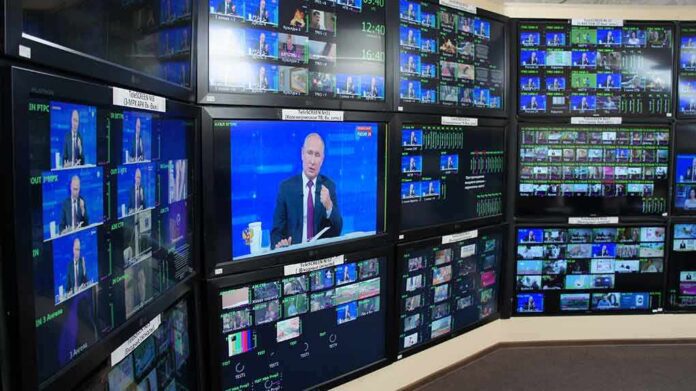
Coverage by the BBC and other outlets described the program as stitching together speech lines that were more than 50 minutes apart, joining “we’re going to walk down to the Capitol” with “we fight like hell.” That sequence, shown as if continuous, is the core dispute. The BBC says the edit aimed to help viewers understand how the speech landed amid unrest, but it accepts that the clip conveyed the wrong impression of Trump’s exact words.
What Discovery Will Probe Next
With dismissal denied, both sides can pursue records and testimony. The BBC has sought information about Trump’s alleged financial harm, such as business records that could show lost deals or revenue tied to the broadcast. Reports also say the broadcaster moved to subpoena Donald Trump Jr., Ivanka Trump, and Jared Kushner, arguing they have knowledge about the speech’s drafting and intent. Serving those subpoenas has proven difficult so far.
Trump’s team will likely push for the raw footage, edit decision lists, scripts, and internal notes to test how and why the splice was made. The size of the claimed damages—reported as $10 billion—will also draw scrutiny, including how widely the documentary reached U.S. audiences and whether specific losses can be traced to the program rather than other events. These steps are standard in defamation cases and will shape any trial.
The Legal Bar for Public Figures
Under United States law, public figures must prove “actual malice,” which means the publisher knew the statement was false or acted with reckless disregard for the truth. That bar is high by design. It protects open debate while still punishing lies that harm. Courts have held that edited quotes can be treated like printed misquotes when they make a person appear to say words they did not say. The fight here is whether this edit crosses that line and whether the BBC acted with the needed fault.
For many Americans—left, right, and independent—this case speaks to a deeper concern: powerful institutions often bend rules and escape accountability. The BBC’s apology shows that even major outlets can err in ways that change meaning. The judge’s ruling shows that courts can force sunlight on those choices. The coming records, not the spin, will decide whether this was an honest mistake corrected too late, or a reckless edit that wrongly damaged the sitting president’s name.
Sources:
npr.org, cbsnews.com, bbc.com, amp.dw.com, lbc.co.uk, washingtonexaminer.com, whitehouse.gov
© newsworthy.news 2026. All rights reserved.