
Italy’s foreign minister says his personal data and family details were hunted on the dark web, turning geopolitics into a direct, personal threat.
Story Snapshot
- Antonio Tajani said cybercriminals posted his personal data and sought more, including about his family.
- Prime Minister Giorgia Meloni blamed pro-Russian hackers and voiced support for Tajani.
- Reuters reported screenshots listing Tajani among 18 people labeled hostile to Russia.
- Italian authorities opened investigations into the campaign targeting officials.
Foreign Minister Reports Dark-Web Targeting
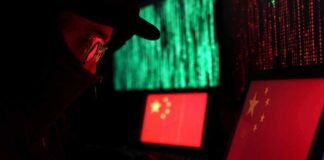
Italian Foreign Minister Antonio Tajani said cybercriminals had shared his personal data on the dark web for days and were seeking more details about him and his family. He warned that the activity exposed him to threats and attempts at intimidation. He also said the actors offered money for additional information tied to him and his relatives. His statement drew quick attention across Europe and linked the campaign to his public support for Ukraine.
Reuters reported that screenshots showed Tajani on a list of 18 people labeled as hostile to the Russian Federation. The material reportedly appeared on a section accessible through The Onion Router, often called the dark web. Cybersecurity authorities monitoring that area identified the listing during routine checks, according to the reporting. The post encouraged others to provide more personal details for pay, suggesting doxing and intimidation as part of the playbook rather than a one-off event.
Government Response and Early Findings
Prime Minister Giorgia Meloni publicly blamed pro-Russian hackers for the exposure and expressed support for Tajani. She framed the leak as retaliation against Italy for backing Ukraine in the war. Italian outlets also reported that prosecutors in Rome opened an investigation into the campaign. Officials said inquiries were under way, signaling that authorities treated the case as a real threat to a senior minister, not just online noise or rumor.
Reporting in Italy linked the dark-web activity to a known pro-Russian hacktivist brand called NoName057(16). That group has claimed or been linked to many campaigns tied to countries that support Ukraine. While media cited the group in this case, Tajani did not name a group in his statement. Reuters noted that investigations were continuing, and officials had not released a technical report that pins blame on a single operator at this stage.
Why This Matters Beyond Italy
The attack blends personal exposure with political signaling. It targets a top diplomat and reaches for his family, aiming to chill speech and policy. Many readers on the right and the left know this pattern: elites fight online wars while regular people pay for higher prices and less safety. Doxing pressures officials to pull punches and avoid hard calls. That risk grows when payments are offered for passwords, addresses, and more, which can invite copycats.
Italian Foreign Minister Antonio Tajani said Saturday that his personal data had been posted to the dark web, exposing him and his family to intimidation, and Prime Minister Giorgia Meloni blamed pro-Russian hackers for the leak. pic.twitter.com/TzRNOb5QKW
— Jim Manzon (@manzonjj) November 9, 2026
The case also fits a broader cycle in today’s cyber fights. Threat actors post on hidden sites, crowdsource targets, and ride global news for impact. Evidence described by Reuters places Tajani on a list of enemies of Russia, which matches the political tone seen in past campaigns. That does not replace police work. It does show how information warfare mixes with crime, leaving citizens to wonder if leaders can still keep basic promises of safety and order online.
What To Watch Next
Authorities will try to confirm what data was exposed, how it was gathered, and whether other officials were targeted. Investigators will look for reused infrastructure, payment wallets, and message patterns that can tie this activity to a known operator. The government may also harden personal security for senior figures and their families. Clear updates on what was leaked, and why, can help limit panic, protect victims, and shut down incentives for the next round.
Sources:
© newsworthy.news 2026. All rights reserved.