
Eleven people, including three children, were killed in Lebanon after Israeli strikes that Israel says targeted Hezbollah, reigniting hard questions about civilian protection and accountability.
Story Snapshot
- Israel said it struck a military target and used measures to avoid civilian harm.
- Lebanese officials and the United Nations reported mounting civilian deaths and damaged infrastructure.
- Israeli forces acknowledged civilian fatalities in at least one related strike and opened an inquiry.
- Rights groups and U.N. offices urged investigations amid reports of children among the dead.
What Israel Says About The Strike
Israeli military officials said the strike aimed at a Hezbollah-linked target and was carried out in an area cleared of civilians. They said they used precision weapons and live aerial surveillance to reduce risk to bystanders, and argued that strikes focus only on military objectives under international law. Israeli statements in recent incidents added that some Hezbollah operatives work from civilian areas, which they say violates understandings on the border with Lebanon.
The Israel Defense Forces said they regret any civilian deaths when they occur and investigate such cases. In one nearby incident, the military acknowledged that “several uninvolved” people were killed during a strike on a Hezbollah operative and said the matter was under review. These comments reflect a pattern: Israel ties cross-border actions to defense against drones and rockets, while insisting it uses procedures to limit harm to civilians.
What Lebanon And The U.N. Report
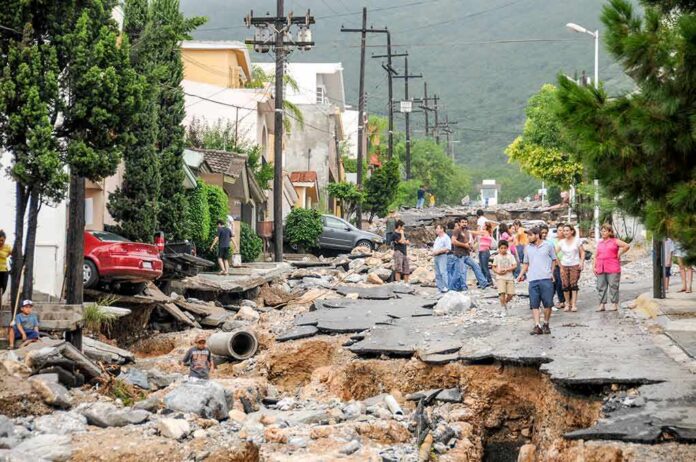
Lebanese leaders said Israeli attacks hit residential areas and killed unarmed civilians, which they argue breaks international law. The United Nations human rights office said Israeli operations in Lebanon continue to kill civilians and damage vital infrastructure, raising alarm about conduct after a declared ceasefire. Separate United Nations and wire service reporting has tracked civilian deaths in triple digits since that ceasefire, deepening international pressure for accountability.
United Nations officials also condemned large waves of strikes earlier this year that caused heavy casualties in a short window, calling the reports “appalling” and urging restraint. These accounts, along with statements from humanitarian groups, center the toll on families and children. That focus increases the demand for transparent investigations and clear evidence that targets were lawful and that precautions were effective.
Why This Matters For Americans
Washington’s allies, aid groups, and many voters care about the rules of war. When children die in conflicts, trust in official claims drops fast. People on the right worry about endless wars and taxpayer costs. People on the left fear disregard for civilian life and human rights. Both sides see a system where powerful actors evade scrutiny. Clear answers about targeting, civilian safeguards, and accountability help test whether the laws we fund and the alliances we back still mean anything.
U.S. leaders face a familiar bind. Security partners argue self-defense and precision. International bodies cite recurring civilian deaths and damaged hospitals and homes. Without verifiable public evidence—like strike files, post-strike reviews, and independent site analysis—each new tragedy looks like part of a widening pattern, not an exception. That erodes confidence in government oversight and fuels the belief that elites protect their own while ordinary families pay the price.
What Independent Checks Could Prove
Independent steps could cut through the fog. Investigators can examine munition fragments, blast patterns, and satellite images. They can match casualty lists to building layouts and timelines. Military authorities can release redacted targeting packets, collateral-damage estimates, and legal reviews, and allow outside experts to inspect them under supervision. These actions would not fix the loss of life, but they would show whether promises of precision were met or fell short this time.
🇮🇱⚡️🇱🇧 The Israeli military (IDF) announced that three soldiers were seriously injured overnight in southern Lebanon after being struck by an explosive-laden drone launched by Hezbollah.
The drone was launched around 2:30 a.m. toward Israeli troops in the Ali Taher Mountains… pic.twitter.com/XbuFTHOe0e
— Barong (@Barong369) August 16, 2026
The broader pattern is stubborn. Israel says it strikes Hezbollah assets embedded near civilians. The United Nations, media, and advocacy groups keep recording civilian harm, including children. Until credible, case-specific evidence becomes public, the debate will repeat with each blast. For families in southern Lebanon, that means fear without answers. For Americans, it means another reminder that institutions talk about rules, but rarely show their work when it matters most.
Sources:
theamericanconservative.com, bbc.com, reuters.com, timesofisrael.com
© newsworthy.news 2026. All rights reserved.