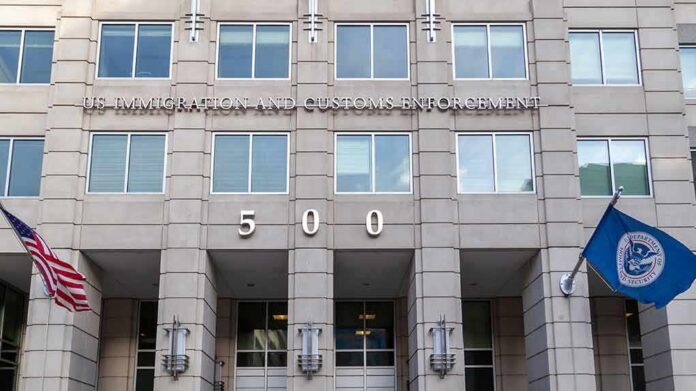
ICE says its Georgia sweep netted 1,226 arrests, and the agency says 720 of those people had criminal histories.
Quick Take
- 1,226 arrests were made in Operation Safe Community–Atlanta, according to Immigration and Customs Enforcement (ICE).
- ICE says 720 of those arrested had been convicted of or charged with crimes in the United States.
- The agency says the operation included people linked to sex crimes, crimes against children, assault, drug crimes, burglary, weapons crimes, and driving while intoxicated.
- ICE says the sweep was a targeted public-safety effort, not a random dragnet.
What ICE Says the Sweep Found
ICE announced that Operation Safe Community–Atlanta produced 1,226 immigration arrests across Georgia. The agency said 720 of those arrested had either been convicted of or charged with crimes in the United States. ICE also said the operation covered serious offense categories, including sex crimes, crimes against children, aggravated assault, assault and battery, drug crimes, burglary, weapons crimes, and driving while intoxicated.
The public message from ICE was blunt. Acting Assistant Director Patricia Hyde said officers “arrested and removed dangerous criminal offenders from American communities,” while executive associate director Marcos Charles said those taken into custody included people with sex crimes, assault and battery, DUI convictions, and domestic violence histories. The agency framed the sweep as part of a broader effort to protect public safety and enforce immigration law.
Why the Numbers Matter
The arrest total is large enough to shape the debate beyond Georgia. Supporters of the operation will see the 1,226 figure and the 720 criminal-history figure as evidence that ICE is focusing on public-safety threats. Critics are likely to point out that the public record still does not show a case-by-case list, so the exact mix of convictions, charges, fugitives, and other categories remains unclear.
That gap matters because aggregate numbers can sound more precise than they are. The available sources do not show whether one person could be counted in more than one category, and they do not provide a full offense breakdown for the 720 people with criminal histories. That leaves the public with a strong headline, but not the underlying spreadsheet needed to check every count.
How Georgia’s Enforcement Climate Shapes the Story
This operation also fits a wider Georgia pattern. ICE has previously described state operations as targeted efforts against fugitives, re-entrants, criminal aliens, gangs, drug trafficking, violent crime, and other public-safety threats. At the same time, local reporting has shown that Georgia’s cooperation system can flag immigrants booked into jails even after traffic stops, which helps explain why immigration enforcement in the state often reaches far beyond the easiest cases to describe.
ICE arrests 1,200+ illegal aliens in Georgia, many convicted sex offenders and child abusers, in major enforcement sweep. #ICE pic.twitter.com/9XXoOHDkF1
— Patriot Watch (@PWatchNews) August 9, 2026
That mix is what keeps the story politically charged. People who already distrust federal institutions will see a system that releases only aggregate totals while asking the public to accept its own labels. People who back tougher enforcement will see a government finally naming serious offenders and removing them from the streets. Both reactions flow from the same fact pattern: ICE says this was a targeted sweep, but the public still lacks the full case file to test every claim.
Sources:
nypost.com, youtube.com, ice.gov
© newsworthy.news 2026. All rights reserved.