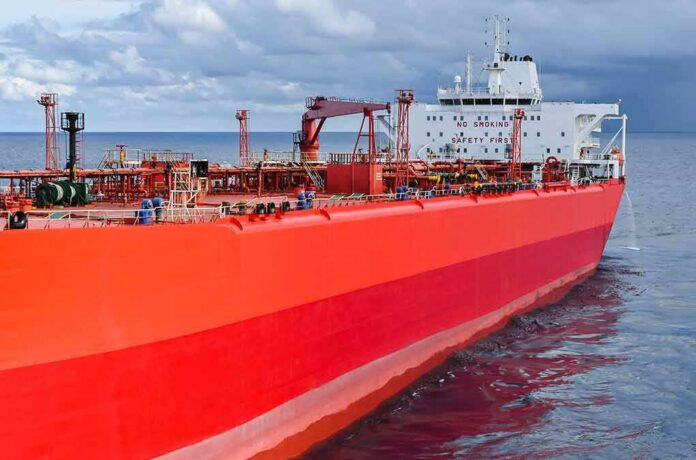
Saudi Arabia is calling for a new “coalition of the willing” to guard a key global trade artery after Houthi forces moved to blockade Red Sea shipping tied to the kingdom.
Story Snapshot
- Saudi Arabia is working with dozens of nations on a coalition to protect Red Sea shipping from Houthi attacks and blockade threats.
- Houthi leaders say they will target ships linked to Saudi ports, raising risks for a waterway carrying about 7% of global maritime trade.
- Past U.S.-led missions like Operation Prosperity Guardian tried to secure the same lanes, but Saudi Arabia stayed out, seeking its own path.
- Red Sea turmoil threatens already stressed energy markets and global supply chains, adding pressure on leaders in Washington and Riyadh.
Saudi Push For A New Red Sea Security Coalition
Saudi officials are now trying to build an international coalition focused on protecting shipping in the Red Sea from Houthi attacks. Two people familiar with the talks told Reuters that the plan is still taking shape and that the kingdom is speaking with dozens of countries about joining. The idea is to create a broad group of willing partners who can share patrols, intelligence, and escorts for commercial ships moving through the narrow Bab el‑Mandeb Strait.
These talks follow a sharp rise in threats against vessels linked to Saudi ports. Recent Houthi warnings told shipping companies not to load or unload cargo at Saudi harbors or risk being targeted “in any location” within the group’s reach. The message, sent by email to multiple firms, signaled that the Houthis view ships touching Saudi ports as fair game, even if they sail under foreign flags and carry mixed cargo. That raises the stakes for global companies moving oil and goods through the region.
Houthi Blockade Threat And Impact On Global Trade
Yemen’s Houthi movement, aligned with Iran, has declared a naval blockade aimed at Saudi Arabia and threatened attacks on tankers using the kingdom’s Red Sea ports. Analysts estimate that about 7% of world maritime traffic passes through this corridor, so even a partial disruption can push up costs and delay shipments of fuel, food, and consumer goods. Data from shipping trackers already show slower traffic through Bab el‑Mandeb after recent strikes on Saudi oil sites along the Red Sea coast.
Saudi military spokesmen say the kingdom will keep the strait open and will treat Houthi threats as acts of maritime piracy under international law. The Saudi‑led coalition in Yemen has pledged “necessary and decisive” steps to protect its commercial vessels in the strait and respond firmly to any attack. In recent days, coalition aircraft have hit Houthi military positions near key Red Sea ports, saying the targets were sites used to threaten commercial shipping and enforce the claimed blockade. The coalition insists these strikes aim to protect trade, not widen the war.
How This Fits Into Earlier Red Sea Security Efforts
This new Saudi effort comes after years of different foreign missions trying to secure the same waters. In late 2023, the United States launched Operation Prosperity Guardian, a multinational naval force meant to stop Houthi attacks on merchant ships in the southern Red Sea and Gulf of Aden. That coalition brought in partners such as the United Kingdom, France, Italy, and others, and later led to air and missile strikes on Houthi targets. Yet Saudi Arabia stayed outside that U.S.-run mission, wary of upsetting its fragile detente with Iran.
Saudi Arabia is seeking to build an international coalition to protect Red Sea shipping from Houthi attacks, according to two sources familiar with the discussions.
The proposed coalition, which is still being negotiated with dozens of countries, aims to bolster maritime… pic.twitter.com/lLq620pNaY
— AnewZ (@Anewz_tv) July 30, 2026
At the same time, Saudi Arabia quietly joined another maritime security group based around the International Maritime Security Construct, sending its Royal Saudi Navy to work with partners near Bab el‑Mandeb. This history shows why Riyadh now wants a coalition built on its own terms, with a focus on defending trade routes but also on regional diplomacy. For many Americans watching from home, this raises familiar questions: why do far‑off conflicts keep threatening gas prices and supply chains, and who is really making these decisions?
Risks For Energy Markets And Ordinary Citizens
Oil markets are already on edge due to wider tensions involving Iran and the risk of new clashes with the United States. A blockade or even a sustained threat to tankers using Saudi ports could further shake global energy supplies and drive up costs for fuel and goods. For families and small businesses in America, that means higher prices at the pump and more inflation, even though they have no say in the choices made by leaders in Riyadh, Tehran, or Washington.
European security sources warn that Iran has pressured the Houthis to prepare more attacks on Red Sea shipping if the United States escalates its conflict with Tehran. They say internal divisions among Houthi leaders have so far limited more aggressive action, but any strike on key Iranian oil hubs could tip the balance. That would merge the Yemen war, Iran tensions, and Red Sea crisis into one bigger shock, hitting the same working people who already feel that distant elites play games with their economic future.
Shared Concerns About Elites And Endless Security Coalitions
Many conservatives in the United States see yet another foreign crisis threatening energy prices and supply chains, after years of warnings about globalism and dependence on unstable regions. Many liberals see powerful states and armed groups once again treating shipping lanes and coastal communities like chess pieces in a larger fight. Both sides worry that international coalitions form quickly to protect trade and oil, while the daily struggles of average citizens get pushed to the background.
Saudi Arabia’s call for a “coalition of the willing” in the Red Sea shows how fast governments can move when global commerce is at risk, compared with how slowly they address inflation, wage gaps, and domestic security. Whether this coalition is led by the United States, Saudi Arabia, or a mix of partners, the pattern is familiar: complex military plans decided far from public view, with costs and risks carried by ordinary people on both sides of the ocean. That is why this Red Sea crisis is not just a distant shipping story; it is another reminder of how global power struggles can reach straight into American wallets and households.
Sources:
zerohedge.com, wionews.com, jpost.com, chinadailyhk.com, navy.mil, en.wikipedia.org, globaleconomictimes.kr, dw.com, theguardian.com, chinadailyasia.com, instagram.com
© newsworthy.news 2026. All rights reserved.