Trump is again threatening to hit Iran’s power plants and bridges, turning a war warning into a blunt test of coercion.
Quick Take
- Trump said U.S. strikes would target Iranian power plants and bridges unless Tehran negotiated.
- The threat came as the United States already had an active strike campaign against Iranian targets.
- Reporting shows the administration tied the escalation to bargaining, not open-ended destruction.
- Critics say the focus on civilian infrastructure raises legal, moral, and strategic risks.
Trump Ties New Threats to a Deal
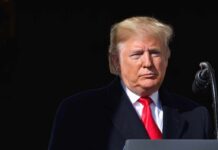
Trump told Fox News that “next week comes the power plants” and “next week comes the bridges.” He said the United States would “knock out all of their power plants” and “all of their bridges unless they get to the table and negotiate.” That language was repeated across multiple reports, making the threat a clear public message rather than a stray comment.
The wording matters because Trump tied the threat to a specific goal: forcing Iran back into talks. He said the pressure would continue until Iran made a deal, and he cast the strikes as leverage, not a promise of endless war. That framing fits a long-running pattern in which leaders use public threats to push the other side toward bargaining, even when the target may doubt the threat will stop at the first hit.
Existing Airstrikes Make the Warning More Real
The threat did not come out of nowhere. Reporting and congressional analysis described an active U.S. military campaign against Iranian targets, including earlier strikes on nuclear sites. Congress’s research service said the June 2025 operation was meant to destroy or badly weaken Iran’s nuclear program, while other reporting said the administration claimed the damage had reduced Iran’s capacity.
That context gives the new warning more weight than a simple political sound bite. Trump argued that earlier attacks had already done heavy damage and said Iran would need years to recover. Supporters can point to that as proof that more pressure might work. But the available record does not show any confirmed order to strike power plants or bridges, only repeated threats to do so if Tehran refused to negotiate.
Why Civil Infrastructure Changes the Stakes
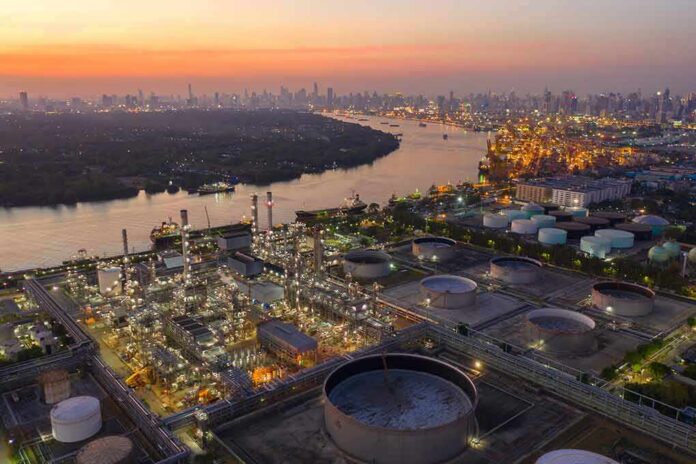
Power plants and bridges are not the same as a weapons depot or a missile site. That is why the threat drew fast attention from legal and policy observers. Reports and commentary in the research package treated civilian infrastructure as a sensitive target set that could raise questions under international law, especially if the goal is punishment or broad pressure rather than direct military necessity.
US President Donald Trump on Wednesday threatened to destroy Iranian bridges and power plants, including sites in Tehran, if Iran carries out further attacks on commercial shipping in the Strait of Hormuz, signaling a possible escalation in its ongoing war in West Asia.
The… pic.twitter.com/reFQG6HhNZ
— United News of India (@uniindianews) July 23, 2026
The strategy also carries a practical risk. If Iran answers with attacks on Gulf energy sites, shipping lanes, or facilities tied to United States forces, the conflict could widen fast. Iranian officials already warned that strikes on its power system could bring retaliation against energy and water infrastructure across the region. That makes the threat powerful on television, but dangerous in the real world.
Mixed Signals Complicate the Message
Trump’s broader Iran posture has not always been steady. The reporting package shows him alternately saying negotiations were still possible and warning that harsher strikes were coming soon. Some reports also described disputes over how much damage earlier U.S. strikes actually caused. That gap matters, because a coercive threat works best when the public and the opponent believe the policy is clear, consistent, and credible.
For critics on both the left and the right, the episode fits a familiar frustration: major decisions are announced in public first, while the legal and strategic footing stays murky. For supporters, the message is simpler. They see a president using pressure to force a deal and punish a hostile government. Either way, the latest warning shows how quickly Middle East policy can move from bargaining language to infrastructure threats with global consequences.
Sources:
insiderpaper.com, bbc.com, pbs.org, congress.gov, politico.com, theguardian.com
© newsworthy.news 2026. All rights reserved.