Two young American soldiers died in Jordan after an Iranian missile slammed into their base, raising hard questions about why our troops are still caught in the middle of a widening war so far from home.
Story Snapshot
- The Pentagon named 1st Lt. Tyler Feehan and Pvt. Isabella Gonzales as the two soldiers killed in Jordan.
- U.S. Central Command says Iran hit Muwaffaq Salti Air Base with ballistic missiles and drones on July 17.
- One American service member is still missing, and several others were injured in the attack.
- The strike deepens public anger that Washington’s leaders keep sending troops into deadly Middle East wars.
Who These Fallen Soldiers Were and What Happened in Jordan
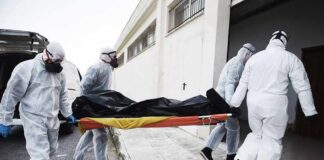
The United States Defense Department says 1st Lieutenant Tyler James Feehan, 25, from Hawaii, and Private Isabella Gonzales, 19, from Texas, were killed in Jordan last week while supporting missions against the Islamic State group. U.S. Central Command reports that on July 17, Iranian ballistic missiles and drones struck Muwaffaq Salti Air Base, where American and partner forces are stationed. Two U.S. service members were “killed in action,” one remains missing, and four others were evacuated to hospitals before being discharged.
Military officials say the attack used a mix of missiles and uncrewed aircraft aimed at the base’s air defenses and support areas. A video shared on social media appears to show one missile hitting near the living quarters for U.S. troops at Muwaffaq Salti, which likely explains the deadly outcome. The strike marks the first time in this phase of the Iran war that direct Iranian fire has killed American troops in Jordan, pushing the conflict into another dangerous stage.
How This Strike Fits a Larger, Deadly Pattern
U.S. Central Command has become the main source for information about American casualties in the Iran war. Officials say this latest attack raises the total number of U.S. service members killed in the war to at least 16. Earlier incidents in 2024 and 2026 saw Iran-backed militias and Iranian-made drones kill and wound Americans in Jordan and other nearby countries, often at small bases few voters have heard of. Research on post‑9/11 wars shows nearly 7,000 U.S. soldiers and sailors have died, many in similar far‑off outposts.
This steady drumbeat of losses fuels growing anger across the political spectrum. Conservatives see proof that past globalist policies and endless interventions have bled American lives without clear victory. Liberals see more evidence of a system where working‑class troops carry the costs of decisions made by insulated elites. Both sides look at yet another pair of young soldiers killed overseas and wonder why Washington keeps repeating the same patterns, even as many families struggle to reach the American Dream at home.
Why Many Americans See a Failing System Behind the Tragedy
President Donald Trump and a Republican‑led Congress now oversee a federal government that still places thousands of Americans in harm’s way across the Middle East. Yet there is no broad national debate about the long‑term mission in places like Muwaffaq Salti Air Base. Decisions about where troops go and what risks they face are made inside the Pentagon, the White House, and classified briefings, far from the daily lives of most citizens. Many see this as one more sign that the system serves itself first.
For frustrated conservatives, the Jordan strike feels like a failure to match “America First” words with actions. They ask why border security, energy prices, and inflation at home do not get the same urgent focus as bases near Syria and Iraq. For frustrated liberals, the deaths highlight the cost of reduced social spending and continued war budgets. They see money and lives poured into conflict while inequality and health care problems grow. Both groups increasingly believe a “deep state” of long‑time officials and defense insiders keeps the war machine running no matter who is elected.
Families, Accountability, and What Comes Next
The Pentagon says it delayed naming the fallen soldiers until their families were notified, and it still has not publicly explained the exact chain of events that led to their deaths. Officials also have not fully detailed how Iran’s missile was able to get past air defenses and reach troop housing, even after years of costly upgrades. That silence feeds suspicion among voters who already feel they are not getting straight answers about war, spending, or the true risks facing American service members.
After the strike, U.S. forces launched new attacks on Iran’s Islamic Revolutionary Guard Corps units linked to the Jordan assault, framing these moves as punishment and deterrence. Yet for many Americans watching from home, the response looks like more of the same: one deadly clash leads to another, while young troops and their families absorb the loss. As they see the names and ages of Tyler Feehan and Isabella Gonzales, a growing number on the right and the left ask whether a distant war run by distant elites is pulling the country even further from the values and fairness it was meant to stand for.
Sources:
military.com, indiatoday.in, foxnews.com, neherald.com, npr.org, bbc.com, wsj.com, theamericanconservative.com, washingtonpost.com, globalsecurity.org
© newsworthy.news 2026. All rights reserved.