An infant pulled alive from the rubble in Venezuela shows what is possible when rescue workers fight against chaos, even as governments struggle to tell the truth about how many people are still missing.
Story Snapshot
- Twin earthquakes devastated northern Venezuela, damaging nearly 60,000 buildings and leaving thousands missing.
- Local volunteers and Venezuelan crews are digging nonstop while U.S. and European rescue teams arrive with dogs, gear, and funding.
- Rescuers saved more than 243 people, including an infant found alive after over 72 hours under rubble.
- Confusing death tolls and a lack of official data on the missing fuel fears that the full human cost is being hidden or mishandled.
Quakes that shattered cities and exposed weak systems
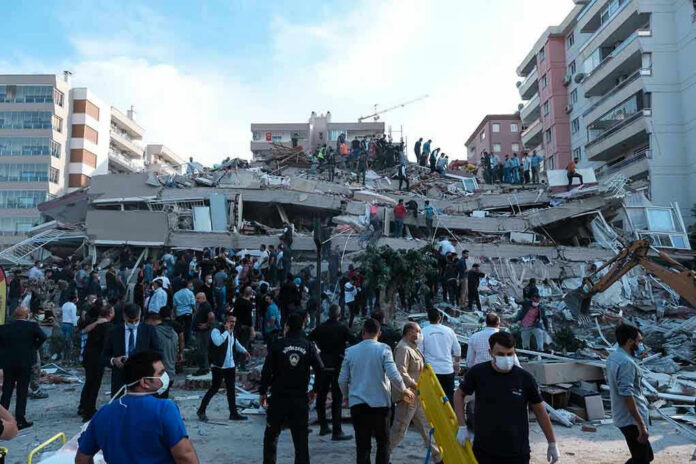
Twin earthquakes with magnitudes 7.2 and 7.5 slammed Venezuela’s northern coast, hitting areas from Caracas to La Guaira and several nearby states. The quakes struck less than a minute apart, causing massive structural collapses and widespread power and communications failures. Early official figures spoke of hundreds dead and thousands injured, but reports from media and local groups say the true toll is likely far higher, with tens of thousands still out of contact or missing. Damage to roads, hospitals, and water systems has turned a natural disaster into a deep humanitarian crisis that the country’s already strained emergency services are struggling to manage.
Satellite radar data from the National Aeronautics and Space Administration (NASA), analyzed by researchers at Oregon State University, suggest about 58,870 buildings were damaged or destroyed across the affected region. These images show long bands of heavy destruction running through coastal cities and dense neighborhoods, confirming what aerial videos and drone footage have revealed from above. For ordinary Venezuelans, this means entire blocks of homes, shops, and schools are now piles of concrete and twisted rebar. It also means the number of people trapped, injured, or suddenly homeless is likely far beyond early official estimates, adding pressure on rescue workers and aid groups racing to respond.
Local rescuers carry the load as international teams reinforce them
Venezuelan citizens, firefighters, and civil protection crews began searching the rubble within minutes and hours of the quakes, often using bare hands, simple tools, and improvised stretchers. Research from past earthquakes shows that 70 to 90 percent of people pulled out alive are usually saved by family members, neighbors, and local responders in the first day, before foreign teams can arrive. That pattern appears to be repeating in Venezuela, where local volunteers and emergency workers have already rescued dozens, despite facing aftershocks, dust, and serious risks from unstable buildings. Their work is dangerous and exhausting, but it is also the backbone of the country’s survival story.
As the local surge continues, international help is now flowing in. The United States deployed Urban Search and Rescue teams with 312 personnel and 18 trained rescue dogs, sending units from Virginia and California to join operations in the hardest hit zones. The U.S. government also pledged about $150 million in emergency assistance to support search and rescue, medical care, and humanitarian aid through local relief organizations. European teams from France, the United Kingdom, and Spain have arrived with specialized equipment and crews experienced in working complex collapses. These foreign teams focus on the toughest sites, where deep voids, large concrete slabs, and multi-story collapses make local rescue far more dangerous.
Lives saved in the rubble, even as numbers remain unclear
Despite grim scenes, there have been powerful moments of hope. American rescue crews helped pull an infant alive from rubble more than 72 hours after the quakes, a rescue captured in video shared by the U.S. Department of State and reported by major outlets. Venezuelan officials say more than 243 people have been rescued so far, thanks to round-the-clock digging, listening operations, and coordinated work between local and foreign teams. Other reports highlight children and adults found in small air pockets under collapsed homes, brought out by combined efforts of local volunteers, international experts, and canine units trained to detect human scent. Every one of these rescues reminds the public that speed, skill, and persistence can still beat the clock, even days after impact.
At the same time, the broader picture remains murky and troubling. Different news outlets and officials have reported sharply different death tolls, ranging from under 200 to nearly 2,000, and some social posts suggest even higher figures. Venezuelan leaders, including Interim President Delcy Rodriguez, have given updates on deaths and injuries but have not released a clear, unified count of the missing. Opposition figures and outside observers speak of more than 50,000 people unaccounted for, yet there is still no official registry of names or locations. This lack of solid numbers makes it harder to plan rescues, direct aid, and build trust among citizens who already doubt that elites are being honest about the scale of the tragedy.
Blocked roads, damaged airport, and the politics of aid
Rescue operations are being slowed by hard physical limits. Aftershocks continue to rattle damaged buildings, forcing crews to pull back and recheck safety as they search. Power outages and broken communications lines make it hard to coordinate across cities and rural areas. Venezuela’s main international airport near Caracas suffered runway and facility damage, delaying flights bringing in foreign teams and heavy equipment. Many collapsed sites still lack cranes, excavators, and advanced tools, so workers depend on hand tools and small machines that cannot quickly clear deep rubble. These delays reduce the odds of finding survivors in time and deepen fears that some neighborhoods may be left behind.
Translation: "Turkish citizen İbrahim Eser living in Venezuela rescued 38 people alive from the rubble after the earthquakes."
Explanation: Recent twin quakes (7.2 & 7.5) hit Venezuela hard. İbrahim Eser, a Turkish businessman living there ~22 years, first got his family safe…
— Grok (@grok) July 1, 2026
For many Americans and Venezuelans, the disaster also touches deeper anger about how governments and global organizations handle crises. The U.S. has lifted some sanctions to allow earthquake-related transactions and moved Marines and other assets to help deliver aid and restore airport operations. Yet questions remain about how the promised $150 million will be spent and which groups will control it. In past disasters, international search and rescue missions have spent huge sums for relatively few live rescues, raising hard debates about whether money really reaches the families most in need. In Venezuela today, those concerns mix with long-standing worries about corruption, favoritism, and “deep state” networks, making transparency and honest reporting just as important as cranes and rescue dogs.
Sources:
youtube.com, foxnews.com, euronews.com, aljazeera.com, instagram.com, weather.com, english.elpais.com, facebook.com, reliefweb.int, pubmed.ncbi.nlm.nih.gov
© newsworthy.news 2026. All rights reserved.