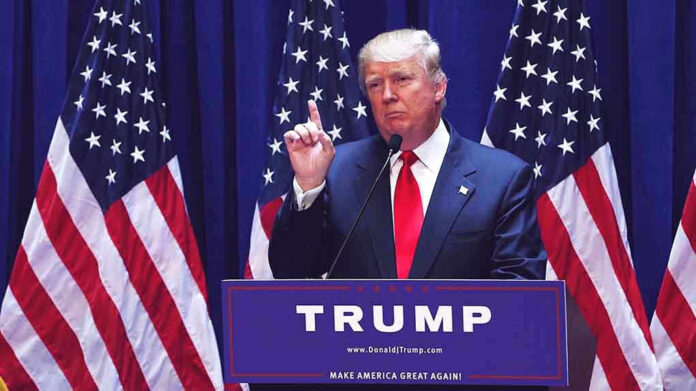
President Trump wisely exercised restraint when Ukrainian President Zelenskyy proposed trading drone technology for advanced U.S. Tomahawk missiles during their October 17th White House meeting, refusing to commit American military assets without thorough consideration.
Story Highlights
- Zelenskyy proposed exchanging Ukrainian drone technology for U.S. Tomahawk missiles during White House meeting
- Trump declined to make immediate commitments, demonstrating careful deliberation over escalation risks
- The proposed deal represents unprecedented technology-for-weapons barter arrangement
- Defense experts warn Tomahawk transfers could provoke dangerous Russian retaliation
Trump Shows Prudent Leadership in Arms Transfer Negotiations
During the October 17th White House meeting, President Trump demonstrated measured leadership when Ukrainian President Volodymyr Zelenskyy pitched an unprecedented arms deal. The proposal involved Ukraine providing thousands of drones and drone technology in exchange for advanced U.S. Tomahawk cruise missiles. Trump’s refusal to make hasty promises reflects responsible decision-making that prioritizes American interests and careful risk assessment over foreign pressure tactics.
Ukraine’s Desperate Gambit Reveals Strategic Vulnerabilities
Zelenskyy’s proposal marks a significant departure from traditional military aid requests, instead offering a direct technology exchange. This shift suggests Ukraine recognizes its increasingly precarious position and mounting pressure to justify continued Western support. The Ukrainian leader’s emphasis on drone technology as a bargaining chip reveals both the country’s battlefield innovations and its desperate need for long-range strike capabilities against Russian targets.
Escalation Concerns Drive Cautious U.S. Response
Defense analysts have raised legitimate concerns about transferring Tomahawk missiles to Ukraine, citing potential escalation with Russia. These cruise missiles possess ranges exceeding 1,000 miles and could strike deep into Russian territory, potentially triggering severe retaliation. Trump’s administration faces the complex challenge of balancing support for an ally while avoiding actions that could drag America deeper into a foreign conflict or provoke nuclear-armed adversaries.
The proposed exchange would establish concerning precedents for future arms transfers and technology sharing arrangements. Congressional oversight may be required for such significant weapons transfers, ensuring proper checks and balances govern decisions affecting national security. Trump’s measured approach protects American strategic interests while maintaining diplomatic flexibility in ongoing negotiations with both Ukraine and Russia.
American Taxpayers Deserve Transparent Foreign Aid Policies
The meeting underscores the importance of transparent decision-making regarding foreign military assistance. American taxpayers have already funded billions in Ukrainian aid since 2022, and any additional commitments deserve careful scrutiny. Trump’s refusal to make immediate promises demonstrates accountability to domestic constituencies who expect their elected officials to prioritize American interests over foreign demands. This approach ensures proper evaluation of costs, benefits, and risks before committing valuable military resources.
Zelenskyy Tells Trump Ukraine Will Trade Thousands Of Drones For Tomahawks https://t.co/zn2cAm3Kw3 via @dailycaller
— GD Cox (@gdcox1) October 17, 2025
The ongoing negotiations will likely continue as both nations assess the strategic implications of such an unprecedented arrangement. Trump’s administration must weigh Ukraine’s legitimate defense needs against broader geopolitical stability and American security interests, ensuring any final decisions serve the nation’s long-term strategic objectives.
Sources:
Zelenskyy Pushes For Tomahawk Missiles As Trump Makes No Promises – Radio Free Europe/Radio Liberty