

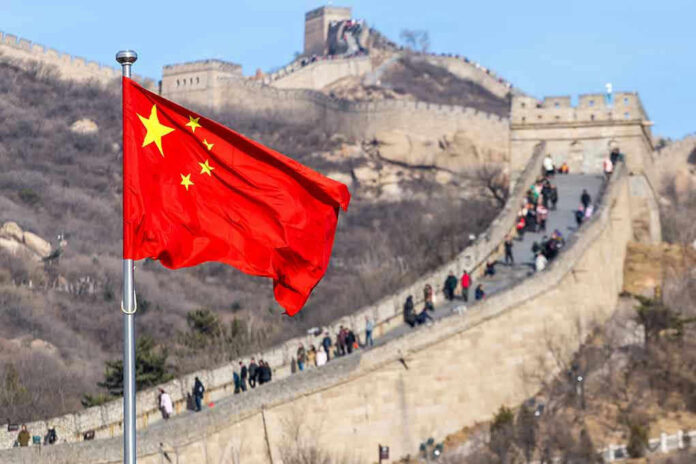
China’s decision to open its doors to tourists from over 70 countries without requiring a visa is making headlines—but the real story is who’s left outside, and why some of the world’s most powerful nations are still standing at the gate, passports in hand, while Beijing rolls out the red carpet for everyone else.
At a Glance
- China now allows visa-free entry for citizens of 75 countries, a massive shift from its pre-pandemic hardline policies.
- Tourist numbers are surging, with over 20 million foreign visitors entering visa-free in 2024 alone.
- The United States, United Kingdom, and most African countries remain excluded from this policy—raising questions about political motives.
- China’s travel industry is booming, but the policy is also a strategic play for global influence and economic recovery.
China’s Visa-Free Floodgates: Economic Lifeline or Power Play?
China’s latest visa-free tourism policy is being sold as an economic revival measure, and make no mistake—the numbers are impressive. In just one year, over 20 million tourists strolled into China without the paperwork nightmare that used to await them. Hotels are packed, airlines are cashing in, and travel agencies are hiring faster than the government can print new guidebooks. The Chinese government says it’s all about boosting the economy and “people-to-people exchanges,” but let’s not kid ourselves: this is as much about global optics and diplomatic chess as it is about filling empty hotel rooms.
China’s leaders want the world to see a friendly, open nation that’s moved on from the iron-fisted COVID lockdowns. By rolling out the welcome mat for most of Europe, Latin America, and select Middle Eastern states, Beijing is scoring both economic and soft power points. But if you’re from the U.S., the U.K., or Sweden—don’t bother packing your bags for the Forbidden City without a visa. The door slams shut, and the message is clear: politics still trumps tourism dollars when it comes to countries with “issues” with Beijing. If you think this is just about tourism, I have a Great Wall to sell you.
Winners, Losers, and the Politics of Exclusion
Let’s talk about winners and losers. Winners? European travelers, Latin Americans, and a handful of Middle Easterners who now breeze through Chinese immigration like it’s the golden age of international travel. The Chinese travel industry is overwhelmed—in a good way—with bookings up 50% compared to the dark days of lockdown. Guides like Gao Jun are so swamped with business they’re launching new companies just to keep up. If you’re a European tour operator, you’re suddenly China’s best friend.
But the losers list reads like a roll call of nations that have either challenged China’s politics or dared to stand up to their strong-arm tactics. Americans, Brits, Russians, and, notably, almost the entire African continent still need to run the bureaucratic gauntlet. For Americans, this is especially rich. While our own government is busy spending billions trying to secure our borders and keep out illegal entrants, China is hand-selecting which countries get the VIP treatment and which ones need “special scrutiny.” If you’re wondering why the U.S. is on the outside looking in, look no further than the ongoing diplomatic rifts and China’s taste for tit-for-tat policy. It’s a not-so-subtle message: play nice, or stay home.
Tourist Tsunami: Boon or Burden?
The boost to China’s economy is undeniable. With inbound tourism still lagging behind domestic travel, China’s leaders needed a shot in the arm. Now, cities from Shanghai to Guilin are seeing record numbers of foreign tourists. Restaurants, hotels, and airlines are flush with new business, and local economies are reaping the rewards. The travel sector is hiring, training, and expanding at a pace that would make any American tourism board jealous.
But there’s a catch. The policy has created new strains—overcrowded attractions, overwhelmed guides, and a scramble to provide quality service in languages most staff don’t speak. Tourists are happy to bypass the paperwork, but the surge is exposing just how unprepared some parts of the industry are for this kind of influx. It’s a “good problem,” sure, but one that China will need to solve fast if it wants to keep those new arrivals spending—and smiling.
Soft Power, Hard Politics, and Lessons for the West
Beijing’s visa-free experiment is about more than tourism; it’s a calculated move to reshape how the world sees China. By making it easier for “friendly” nations to visit, China is hoping to build goodwill, boost its image, and maybe—just maybe—distract from the less savory headlines it generates on the world stage. But for the countries on the outside, this is a lesson in the realities of global politics. Access, privilege, and opportunity are tools of leverage. China is using them masterfully, even as it leaves the U.S. and its allies cooling their heels outside the gate.
Meanwhile, as our own government dithers about border security, spending billions on enforcement while subsidizing the very policies that undermine our sovereignty, maybe it’s time we learned a thing or two from Beijing about using immigration policy to advance national interests. One thing is certain: in the new world order of tourism, the line between welcome mat and velvet rope is drawn by those with the power to say yes or no—and in China, that power is wielded with surgical precision.