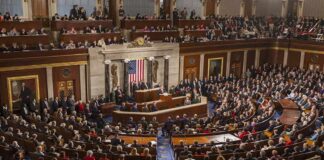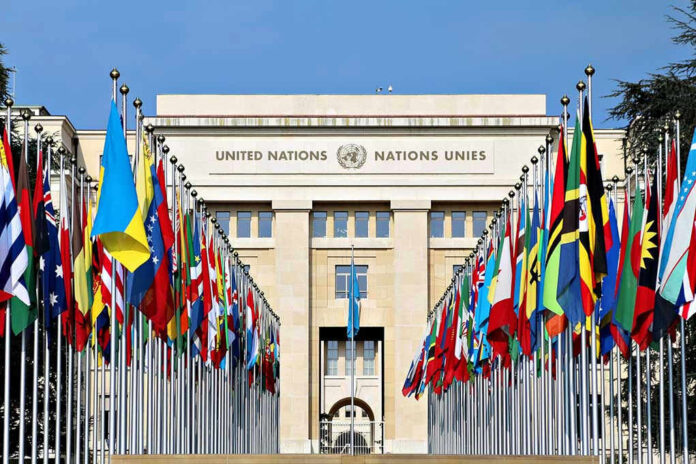
President Trump’s unscripted UN speech underscores a stark criticism of globalist inaction, spotlighting the tensions between national sovereignty and multilateral efforts.
Story Highlights
- Trump’s speech criticized the UN and foreign leaders for failures in addressing global threats.
- The address was notable for its unscripted, confrontational style, with personal taunts.
- He linked global crises to “politically correct” inaction and “green energy scams.”
- Trump emphasized U.S. achievements and warned against “failed approaches” leading to instability.
Trump’s Confrontational Address at the UN
On September 23, 2025, President Trump delivered an unscripted address at the UN General Assembly, criticizing the United Nations and foreign leaders for their perceived failures in tackling global threats. His speech was characterized by direct confrontations and personal taunts aimed at specific countries and leaders. Trump highlighted his administration’s accomplishments and cautioned that inaction and adherence to unsuccessful policies could exacerbate global instability.
The speech marked a continuation of Trump’s skepticism toward multilateral institutions, a theme prevalent during his first term. He linked global crises to what he described as “politically correct” inaction and criticized climate change initiatives as “green energy scams.” This rhetoric resonated with his conservative base, who view these policies as threats to national sovereignty and economic stability.
Impact on International Relations
Trump’s address generated immediate international attention, with media and diplomatic circles reacting to both the tone and content of his remarks. By directly challenging the effectiveness of the UN and its leaders, Trump intensified scrutiny on multilateral efforts to manage global issues. This approach may strain U.S. relations with European allies, who are often aligned with UN policies on issues like immigration and climate change.
The implications of Trump’s speech extend beyond immediate diplomatic tensions. In the short term, it could disrupt ongoing multilateral negotiations and increase polarization over key issues. In the long term, it may lead to a realignment of international coalitions and an erosion of trust in multilateral institutions, as nations reassess their roles within these frameworks.
Expert Perspectives
Experts have expressed concern that Trump’s confrontational stance could undermine U.S. influence at the UN, despite energizing his domestic supporters. Security analysts warn that dismissing multilateral arms control efforts might heighten global risks. Additionally, policy experts caution that ignoring climate science and migration challenges could have severe long-term consequences, potentially destabilizing global economic and social systems.
Trump rips into UN, globalists for failing to carry their weight: 'They weren't there' https://t.co/fHVQQx8a94
— JAN SATTERFIELD (@JANSATTERFIELD7) September 23, 2025
While Trump’s approach is lauded by supporters as a necessary corrective to perceived UN inefficacy, critics argue it damages global cooperation and shared problem-solving. The speech has sparked a broader debate about the balance between national sovereignty and collective action in addressing global challenges.