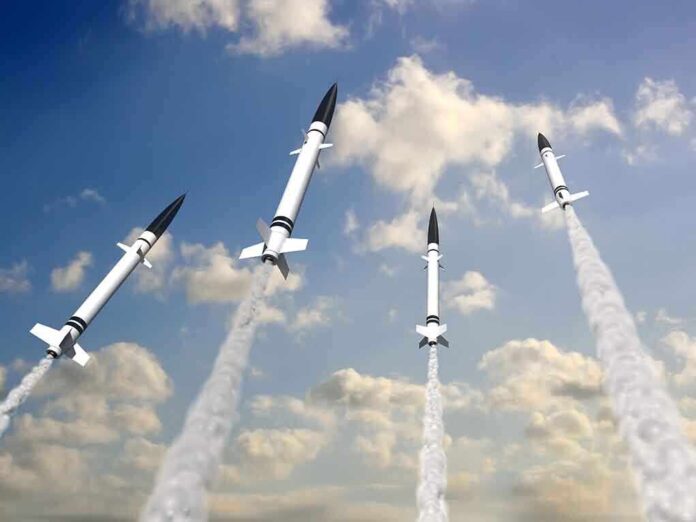
A new U.S. military action targets ISIS in Nigeria, raising questions about religious motivations and strategic outcomes.
Story Highlights
- U.S. airstrikes on ISIS in Nigeria were launched under Trump’s directive.
- Strikes were coordinated with Nigerian authorities, focusing on Sokoto state.
- President Trump framed the operation as a protective measure for Christians.
- Nigerian government emphasized a non-religious context for the strikes.
U.S. Military Strikes Target ISIS in Northwest Nigeria
On December 26, 2025, the U.S. military, under the guidance of President Donald Trump, launched airstrikes targeting Islamic State (IS) militants in Nigeria’s northwest Sokoto state. The operation, coordinated with Nigerian authorities, aimed to dismantle IS camps notorious for attacks on innocent civilians. The strikes resulted in multiple militant fatalities, with Trump touting the action as a decisive blow against “ISIS terrorist scum” targeting Christians.
The strikes align with Trump’s earlier threats of intervention following reports of Christian killings in Nigeria. This move marks a significant escalation in U.S. military involvement in the region, with a focus on protecting religious minorities. The Nigerian government, while acknowledging the joint operation, emphasized a broader counter-terrorism effort, distancing from religious narratives.
Strategic Implications and Regional Impact
These strikes represent a rare public U.S. military action in northwest Nigeria, contrasting previous operations focused on the northeast. By targeting IS in Sokoto, the U.S. reinforces its commitment to counter-terrorism efforts in Africa, particularly the Sahel region. The operation signifies a potential shift in U.S. military strategy under Trump’s leadership, focusing on religiously motivated interventions to protect vulnerable communities.
The Nigerian government, led by Foreign Minister Yusuf Maitama Tuggar, stressed the operation’s non-religious framing to avoid inflaming religious tensions in a region already fraught with sectarian conflict. This stance aims to maintain national unity while leveraging U.S. military support to combat the growing threat of IS expansion.
Public and Political Reactions
The airstrikes have sparked varied reactions domestically and internationally. Trump’s framing of the operation as a defense of Christians aligns with his broader narrative of protecting religious freedoms. However, it risks exacerbating religious tensions in Nigeria, where both Muslims and Christians have suffered from jihadist violence. The political implications are profound, as the strikes reinforce U.S.-Nigeria ties while potentially provoking retaliatory attacks from IS militants.
Critics argue that such military interventions could lead to further instability in the region, with potential spillover effects on neighboring countries. Yet, supporters assert that decisive action against terror groups is necessary to restore peace and security.
Sources: