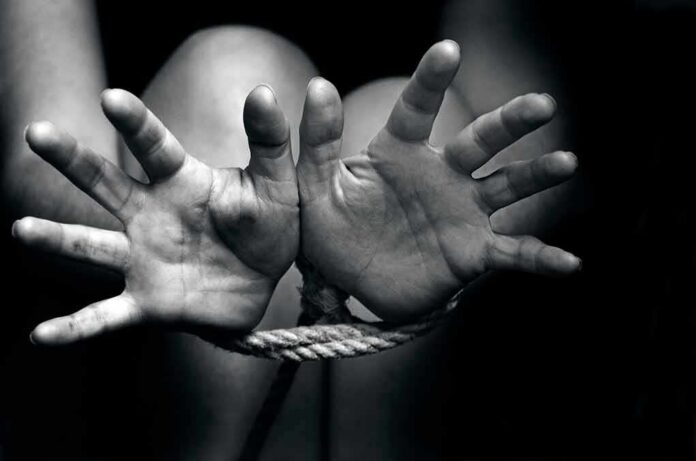
Iran’s regime just made a chilling point to every young man who dares to dissent: even a celebrated athlete can be publicly hanged after a rushed, disputed case.
Quick Take
- Iran publicly executed 19-year-old wrestling champion Saleh Mohammadi on March 19, 2026, alongside two other men detained during protests.
- Multiple reports cite serious due-process concerns, including torture allegations and claims that alibi evidence was rejected.
- The case echoes the 2020 execution of wrestler Navid Afkari, reinforcing fears that Iran targets athletes to intimidate society.
- The U.S. State Department urged Iran to halt the execution, but the regime carried it out anyway.
Public Hanging of a Teen Athlete Signals Regime Control
Iran executed Saleh Mohammadi, a 19-year-old freestyle wrestling champion from Qom, by public hanging on Thursday, March 19, 2026, according to multiple outlets and human-rights documentation. Reports say Mohammadi had competed internationally and earned a bronze medal at the 2024 Saytiev International Cup in Russia. Two other men, Mehdi Ghasemi and Saeed Davodi, were executed the same day after being detained during anti-government demonstrations.
Iranian authorities tied the case to the death of police officer Mohammad Ghasemi Homapour during clashes in Qom’s Nabovvat Square on January 8, 2026. Prosecutors alleged Mohammadi participated in an attack involving knives and swords that led to the officer falling from his motorcycle. The sentencing was reportedly issued by a Qom criminal court under Iran’s “qisas” framework, and Iran’s Supreme Court later upheld the ruling, ending meaningful avenues for relief.
Disputed Evidence and Torture Allegations Fuel International Alarm
Human-rights groups and news reports describe the proceedings as deeply contested. Several accounts say Mohammadi denied the charges in court and claimed his confession was obtained under torture or coercion. Other reporting states that athletes, coaches, and national-team figures offered testimony that he was elsewhere—at his uncle’s house—during the clash, and that surveillance footage did not show his face at the scene. Those assertions cannot be independently verified here, but they are central to why critics call the trial unfair.
Iranian and international observers also pointed to charges framed in religious-political terms. One report cited documentation that the execution was carried out under accusations including “enmity against God” (moharebeh), a label Iran has used in protest-related prosecutions. That matters because it blurs the line between ordinary criminal justice and political punishment. When a government can move from street protest to capital charges with limited transparency, basic due-process expectations—like independent counsel and open evidence—become impossible to trust.
Crackdown Context: Mass Detentions and Fear as Policy
The execution landed amid reports of a broad crackdown following nationwide protests from late December 2025 through January 2026. One estimate cited in coverage, attributed to the U.S.-based Human Rights Activists News Agency, put detentions at roughly 53,000 people. Reporting also described thousands killed and many more injured since the protests began, underscoring the scale of state force being alleged. Exact figures are difficult to confirm independently, but multiple sources portray a sustained campaign to silence opposition.
Why Athletes Matter: The Navid Afkari Parallel
Commentary around Mohammadi’s death repeatedly referenced the 2020 execution of Iranian wrestler Navid Afkari, also convicted in a case tied to protest unrest. Analysts and activists argue the pattern is strategic: athletes carry public credibility, national pride, and influence that can inspire dissent. That makes them especially threatening to a regime that depends on fear. In that light, the public nature of the hanging reads less like ordinary justice and more like a warning designed for television and social media.
U.S. Response and the Limits of Outside Pressure
U.S. officials urged Iran to stop the execution, with coverage quoting a State Department statement warning that the Islamic Republic was “massacring young people and destroying Iran’s future.” The regime proceeded anyway, highlighting a hard truth: diplomacy and public condemnation often fail against governments that treat brutality as governance. Activists also criticized international sports bodies for relying on “quiet diplomacy,” calling instead for credible consequences, such as suspension threats, when athletes are allegedly prosecuted in politicized trials.
For American readers who value constitutional protections, the story is a reminder of what the Bill of Rights is meant to prevent. Iran’s system concentrates power, merges religious authority with courts, and treats dissent as a capital offense when convenient. Regardless of one’s views on foreign policy, the basic lesson is straightforward: rights that depend on the government’s permission are not rights at all—and the world keeps seeing what that looks like when a state decides fear is the message.
Sources:
Iran Executes 19-Year-Old Wrestling Champion Saleh Mohammadi Amid Crackdown on Protesters
Wrestling execution murder Iran
Regime executes champion wrestler as Iran intensifies brutal crackdown
Iran International report on Saleh Mohammadi execution
Iran Human Rights article on the case